In Dialogue With Trent Davis Bailey
Through tragedy, archival photographs and new fatherhood, a non-linear family elegy is born
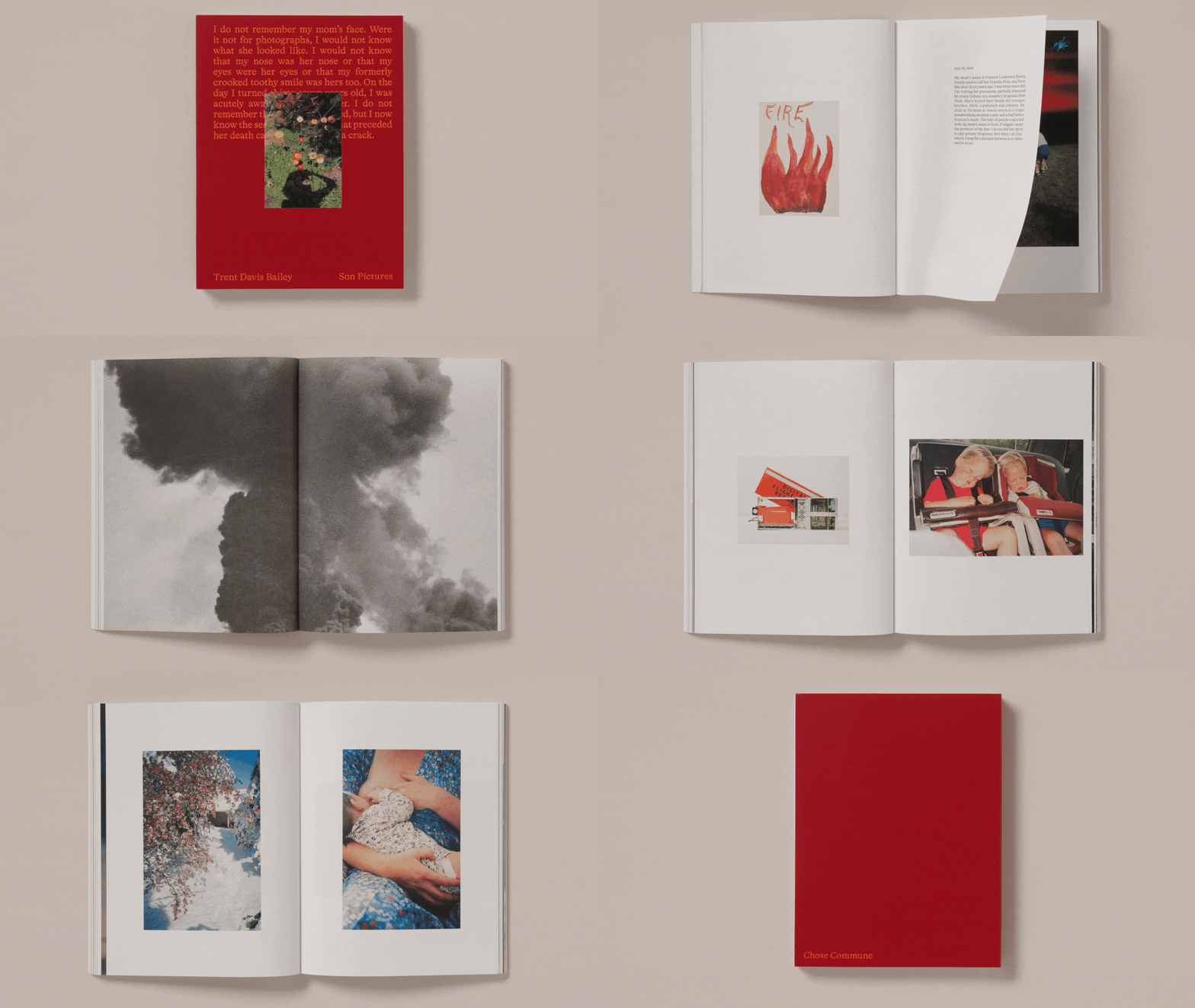
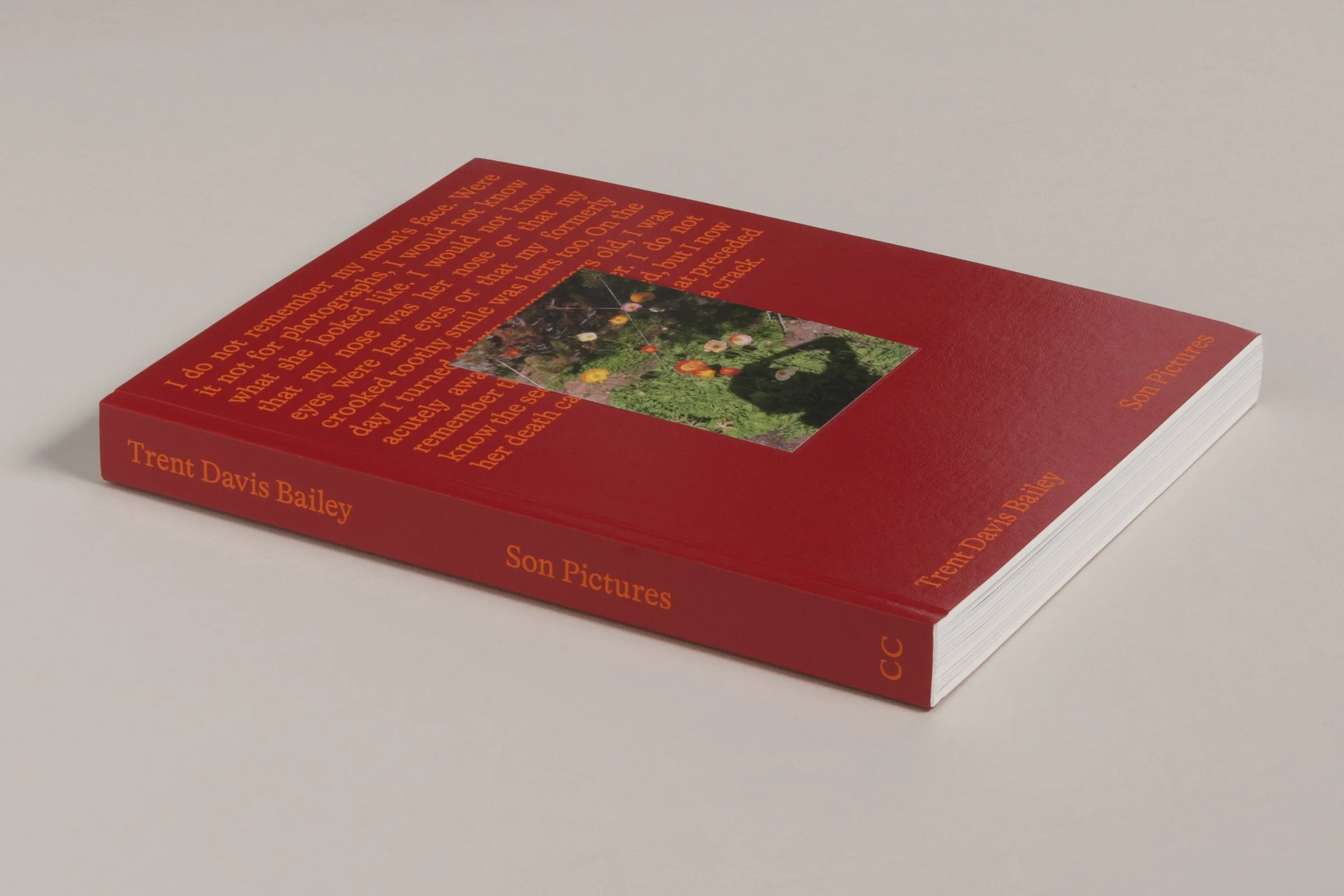
After being profoundly moved by the story behind Trent Davis Bailey’s new book Son Pictures, I asked the photographer, husband and father of two to join me in dialogue about the work. We talk about his mother’s tragic passing, the art of a photo book on death and the inescapable dialogue between ourselves and the past.
“I’ve always imagined her as a sort of guardian angel who’s guided me and protected me: a woman, who in my earliest years of life, taught me how to see.”
Introduce us to your mother. Who was she?
My mother, Frances Lockwood Bailey, or “Francie” for short, was born in 1953 and grew up alongside four brothers in the Adirondacks in Upstate New York. She studied studio art and printmaking while in college and later self-identified as a mother, artist, and gardener—probably in that order. She died in a commercial airplane crash when I was three years old. I wish I could tell you more about her, but my answer would be too reliant on what’s been told to me by my father and others who knew her. I only have gauzy recollections of her 6-foot 2-inch tall presence. As I write in my book, “Were it not for photographs, I would not know what she looked like.” Nevertheless, I’ve always imagined her as a sort of guardian angel who’s guided me and protected me: a woman, who in my earliest years of life, taught me how to see.
“I had no idea about her photographic eye, but when I found the negatives from a point-and-shoot my parents shared in the 1980s I was astonished at how poetic and playful her pictures were.”
When I read your essay in The New York Times, I immediately put myself in her shoes. What have you learned about her through the creation of Son Pictures?
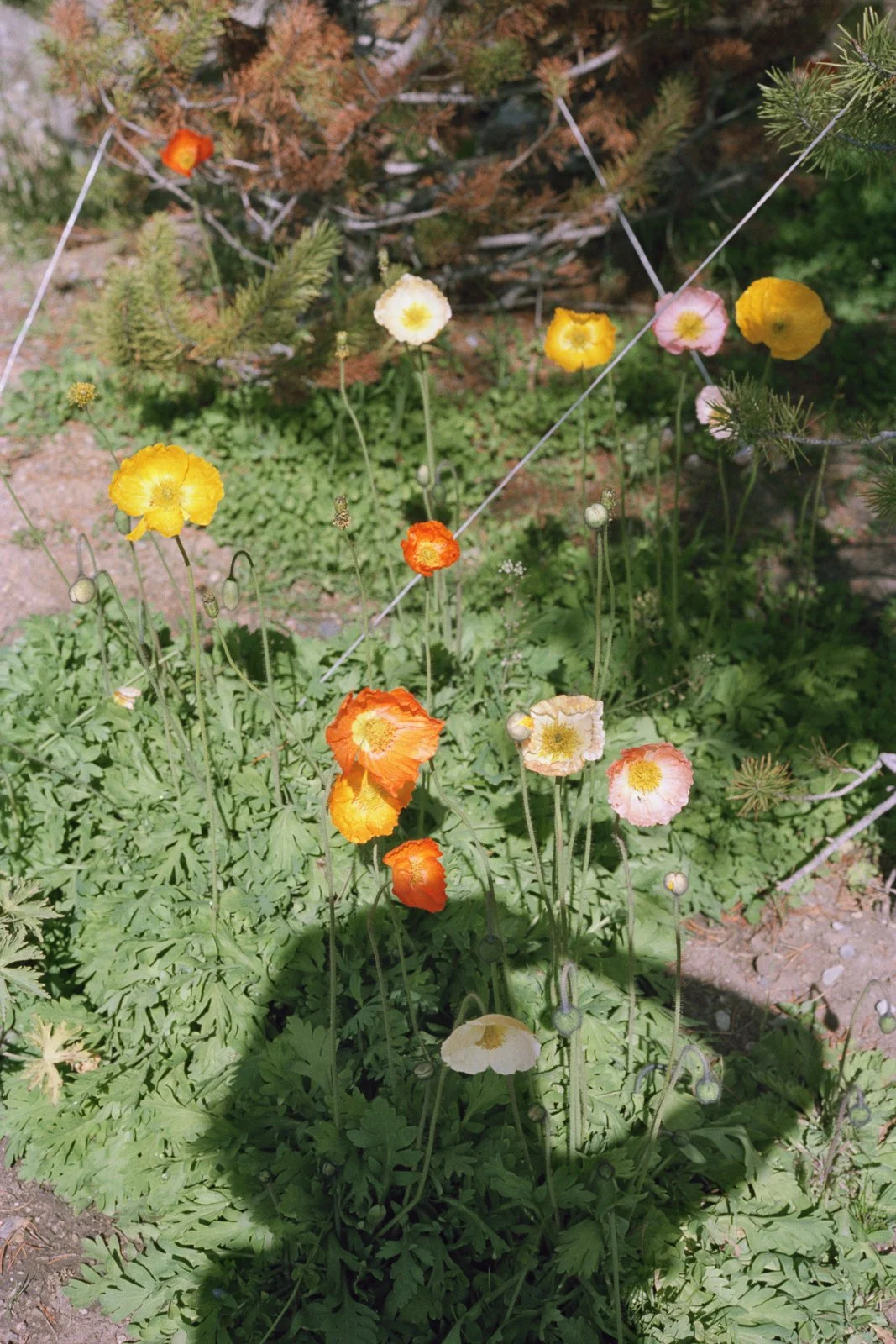
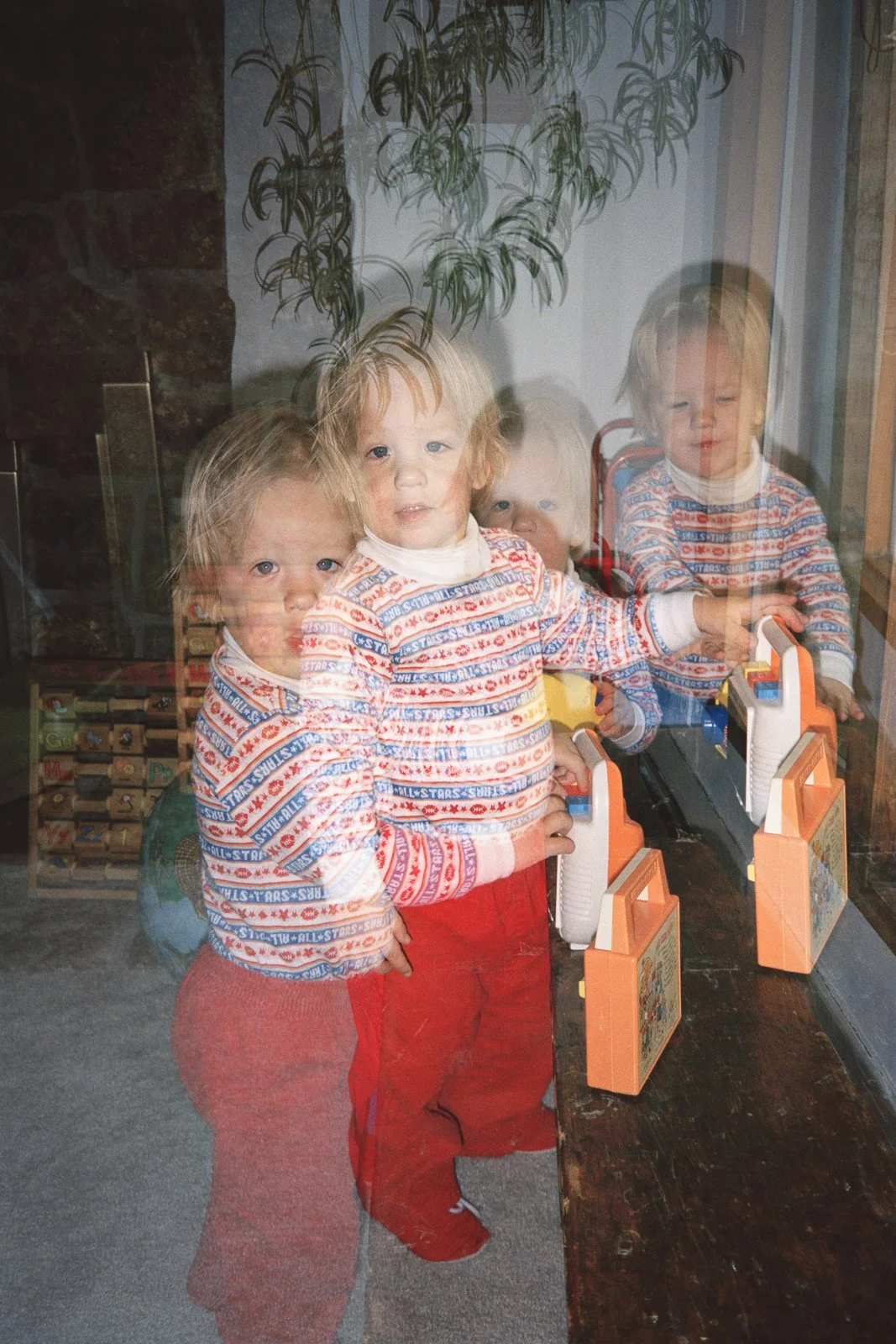
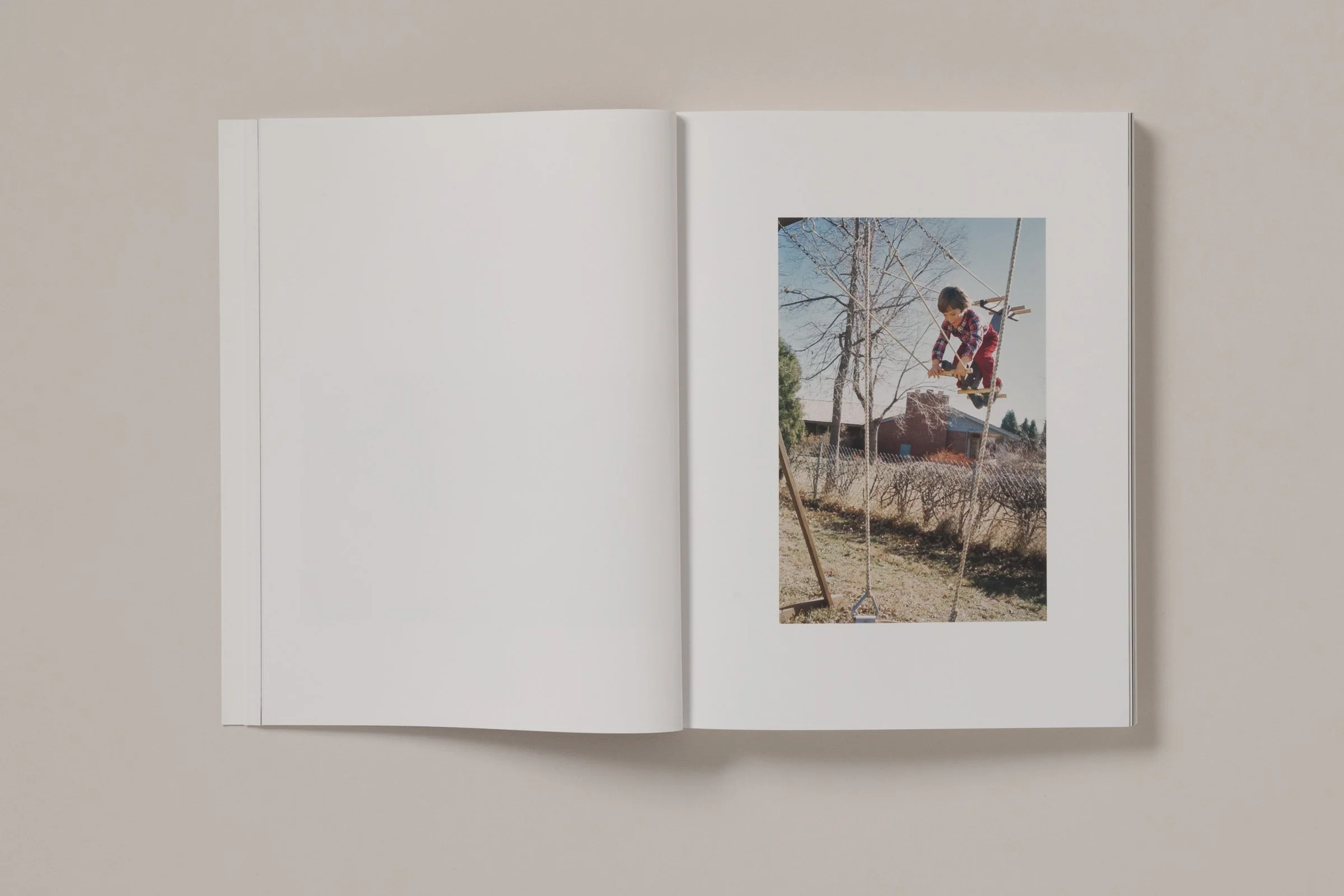
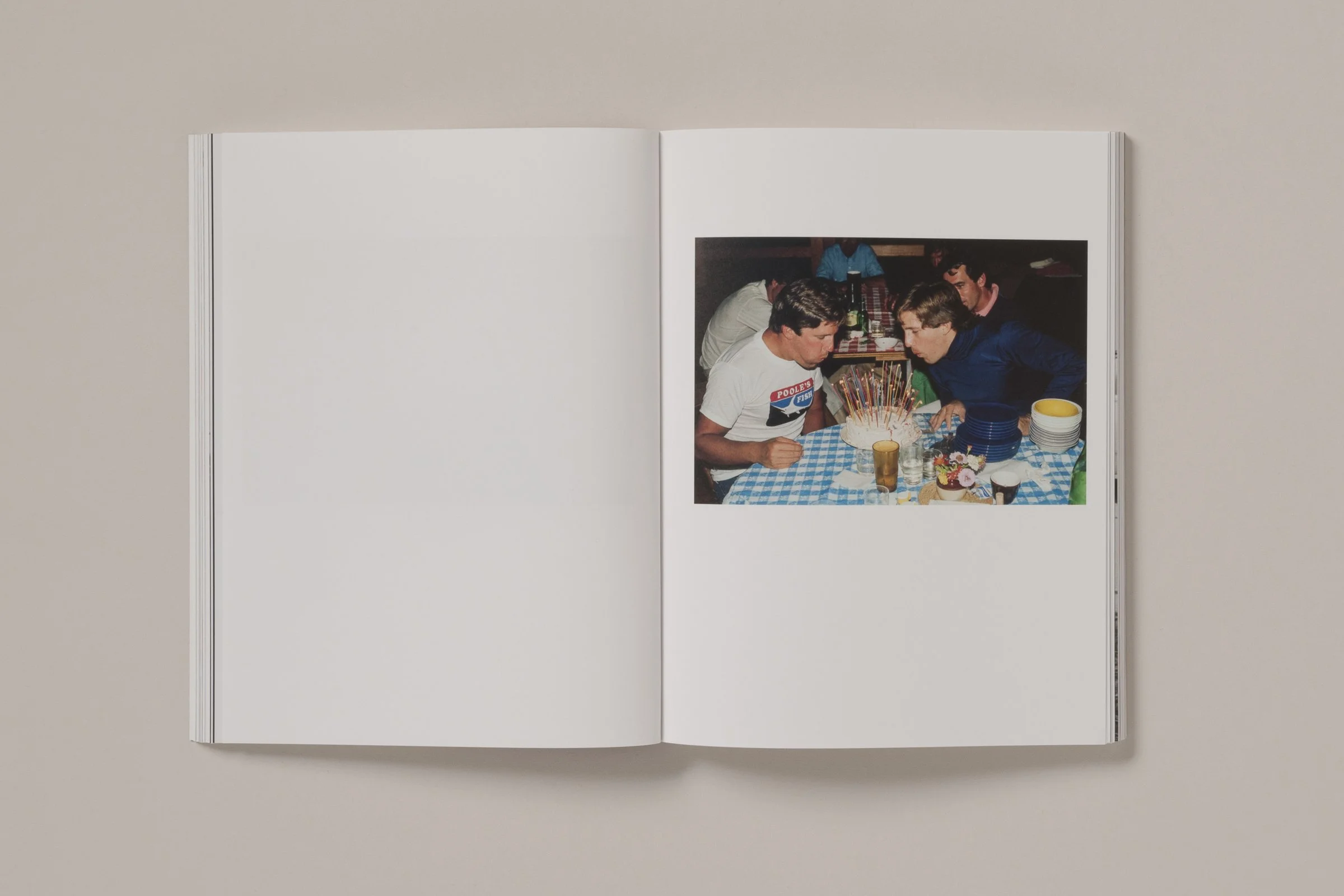
Wow. Thanks for sharing that. I, of course, will never have the perspective of a mother: however, I like the idea that this work speaks to mothers such as yourself. I haven’t necessarily learned more about my mother by making this work, but it has reaffirmed what I’ve heard about her from family stories. She and I will forever have a limited relationship, but in many ways, even though she’ll never see this project, I made it for her. I also had no idea about her photographic eye, but when I found the negatives from a point-and-shoot my parents shared in the 1980s I was astonished at how poetic and playful her pictures were. Upon discovering them I was taken aback by the similarities—the shadows, the colors, the plants—that were also key elements of the pictures from my first book, The North Fork, which I’d shot a decade prior to even seeing these photos of hers.
“She played a significant role in the visual direction of this project.”
In the book you say, “I long for a dialogue between us so there can be an us.” Did the book-making process provide that experience? How so?
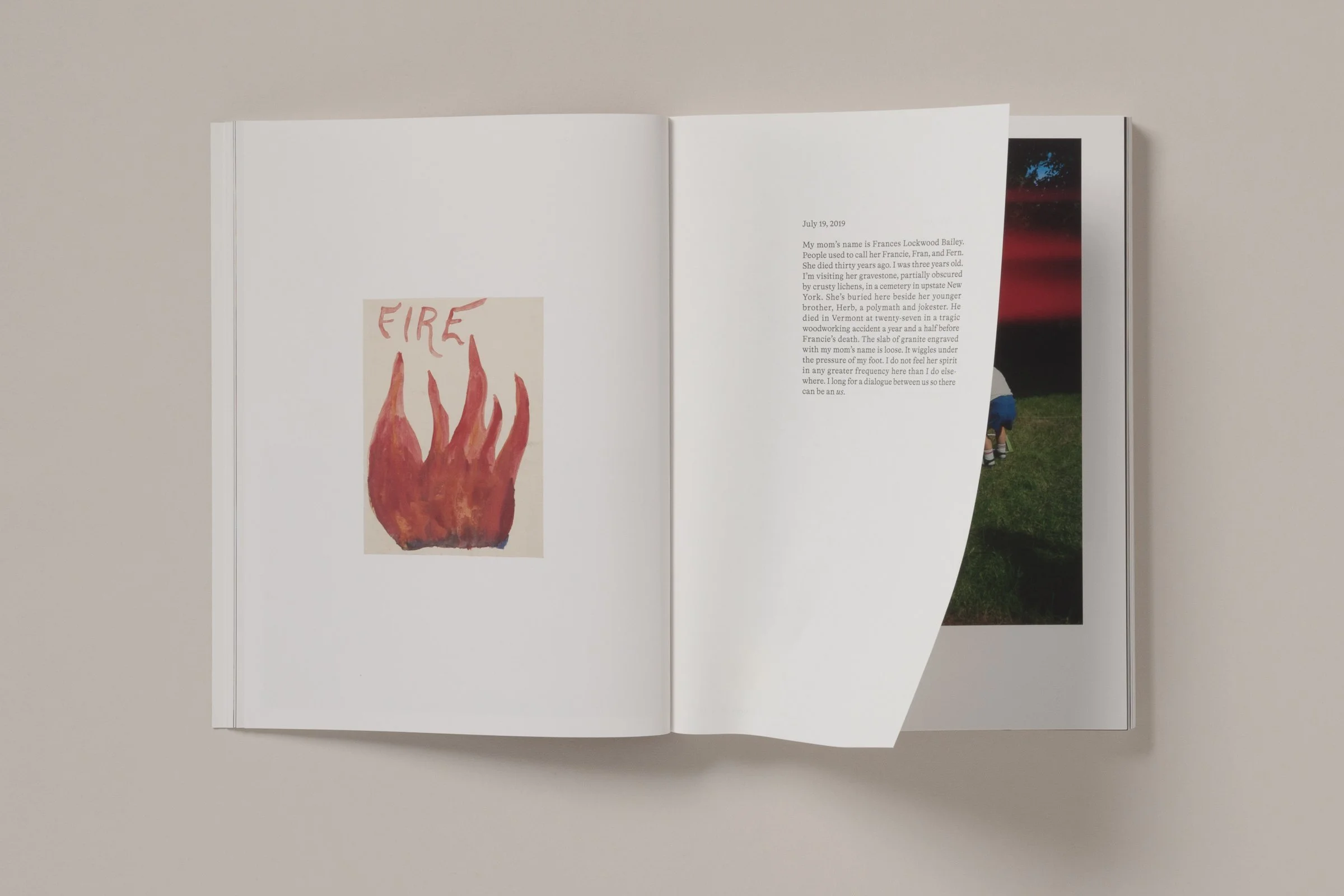
It did insofar as the book holds space for both of us to coexist. About half-way through making Son Pictures, in 2020, I inherited my mom’s archive of paintings, drawings, screen prints and etchings. I digitized it and started making photographs in response to her art. It became this sort of call-and-response between her works and mine that gave me a way to have an active visual conversation with her. While it was quite cathartic and therapeutic to do this exercise, the book itself doesn’t reflect that literal back-and-forth. The publisher and I decided to keep the nonlinear narrative structure of the book centered around the plane crash and as a result, we only included my mom’s artworks that felt like premonitions of the crash. Still, many of my photographs in Son Pictures were directly influenced by other artworks she made that don't appear in the book. In this way, she played a significant role in the visual direction of this project even if it may not be plainly visible.
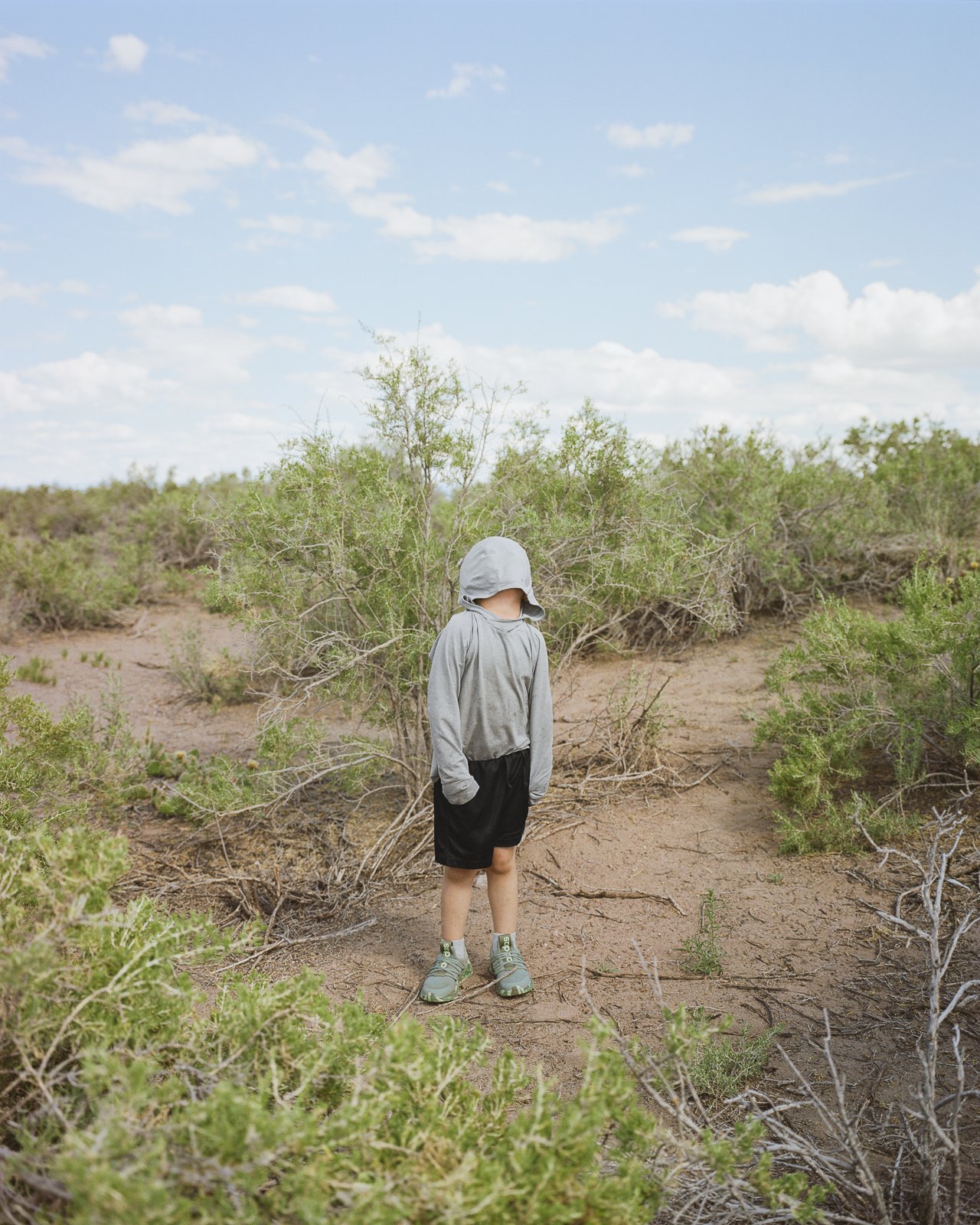
“My childhood was so confusing and disjointed that I often relied on photographs and movies for meaning, escape, memory, and a sense of understanding—especially when it came to my mom and the crash.”
Talk about the archival images in Son Pictures and the relationships around those works. Some of them are from the news, one of them particularly infamous. Did you connect with the photographer? Who owns that image on paper? Did it matter?
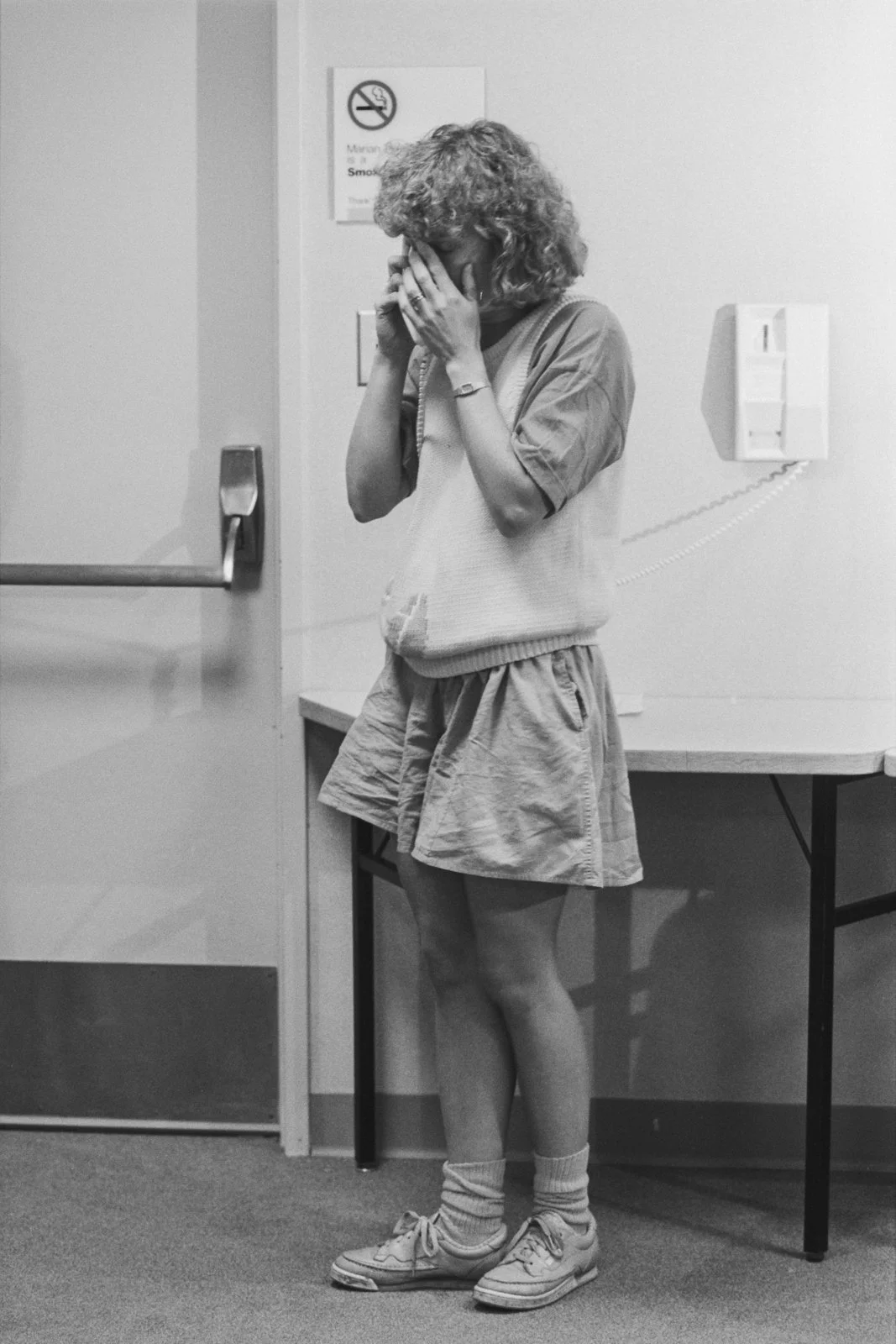
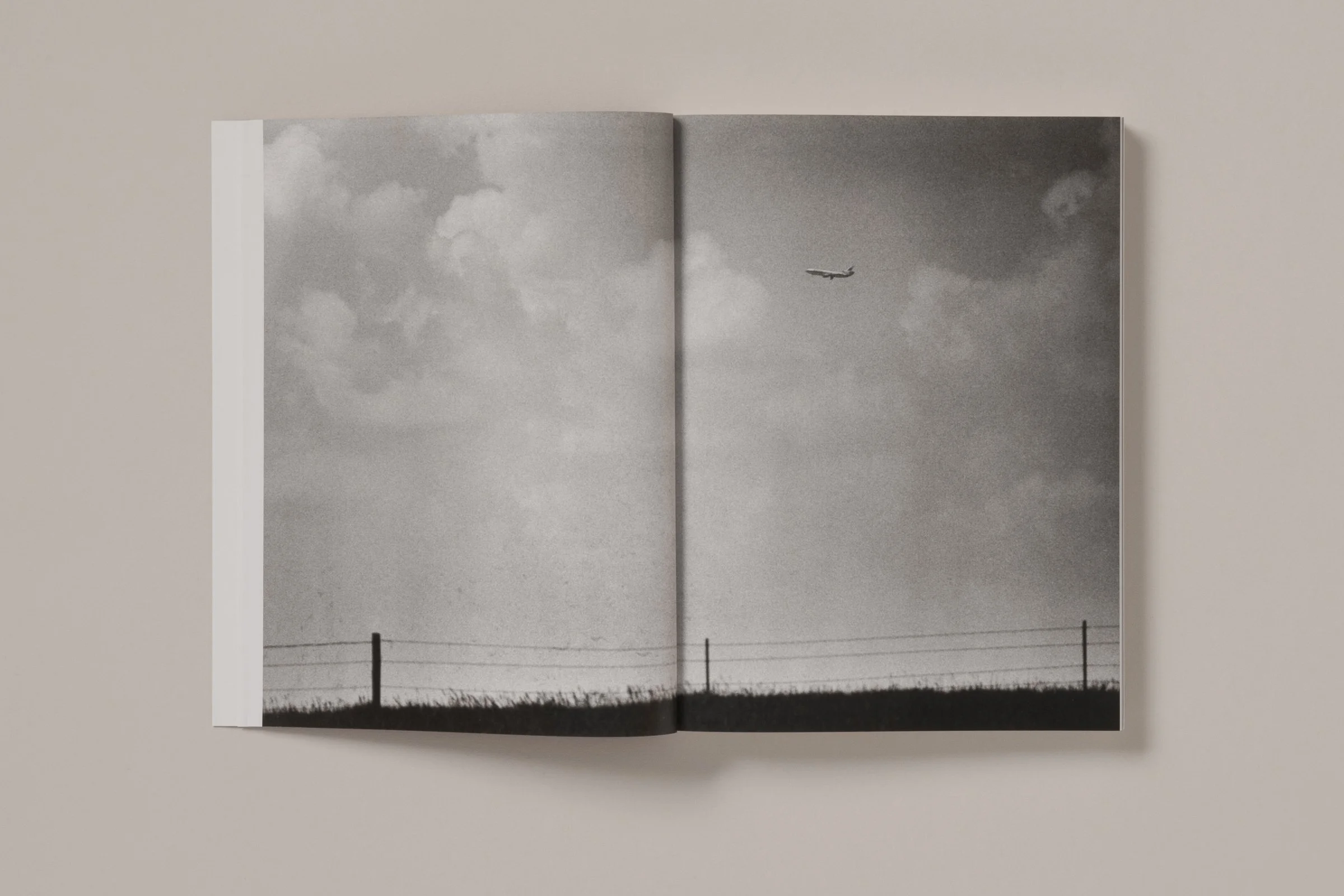
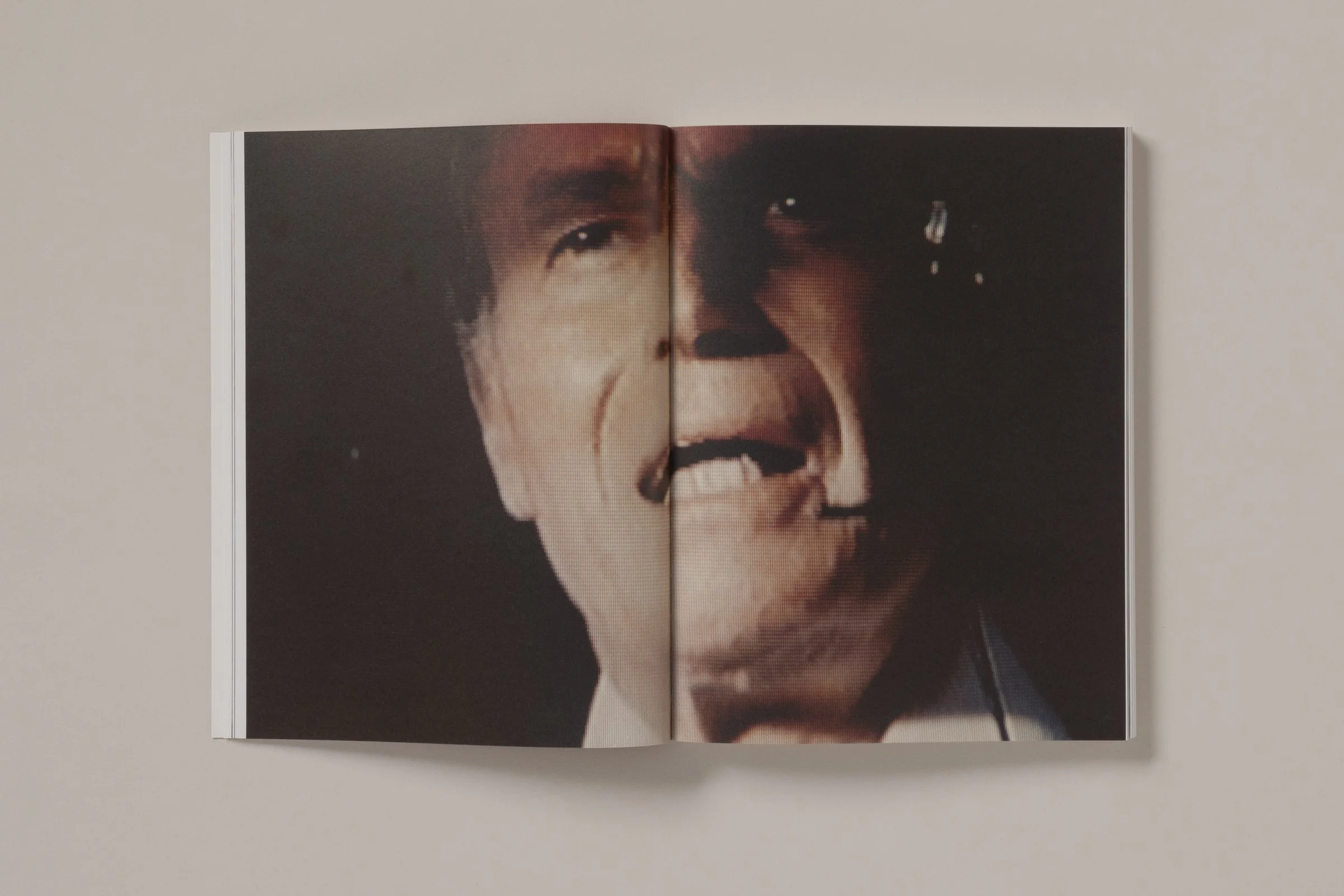
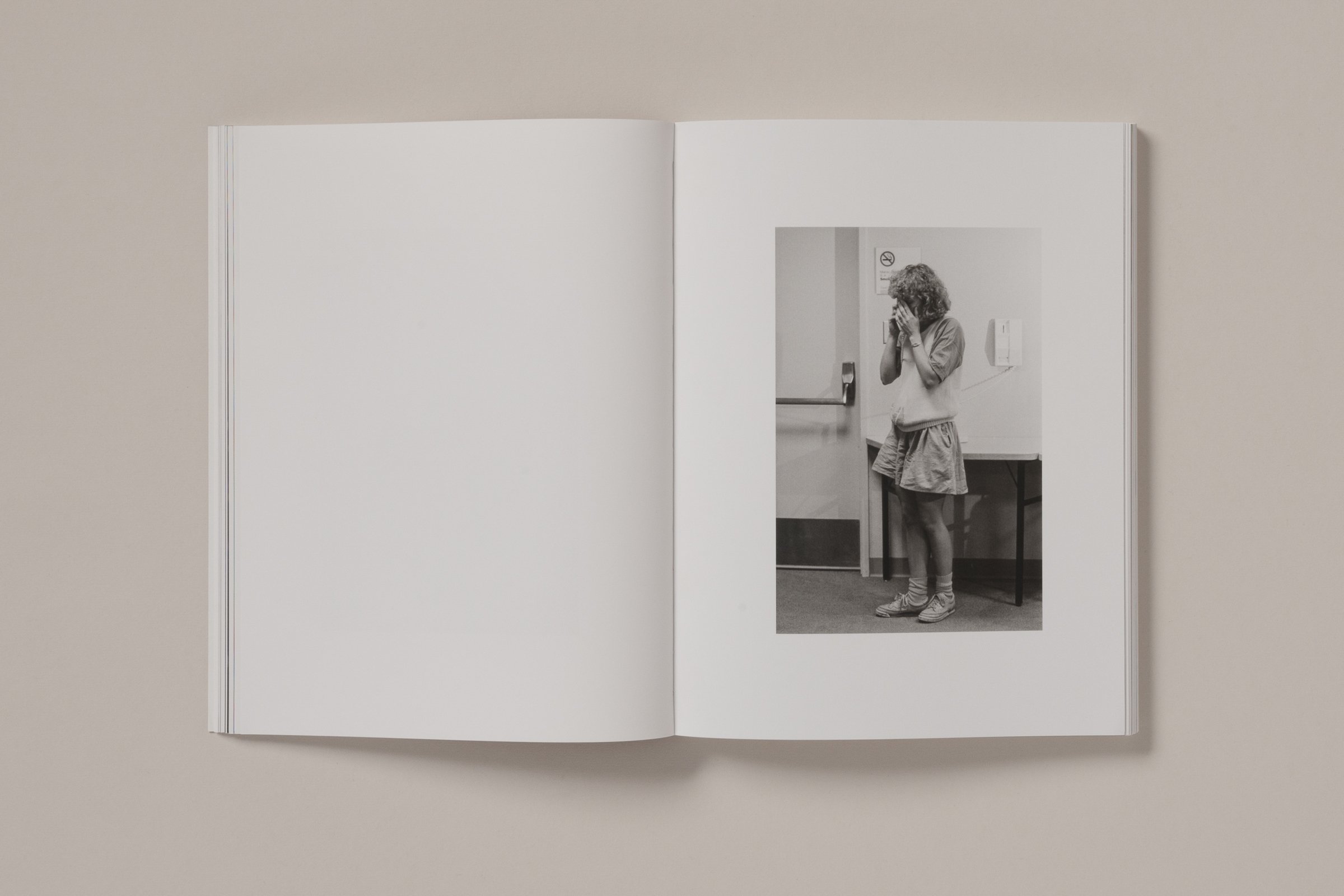
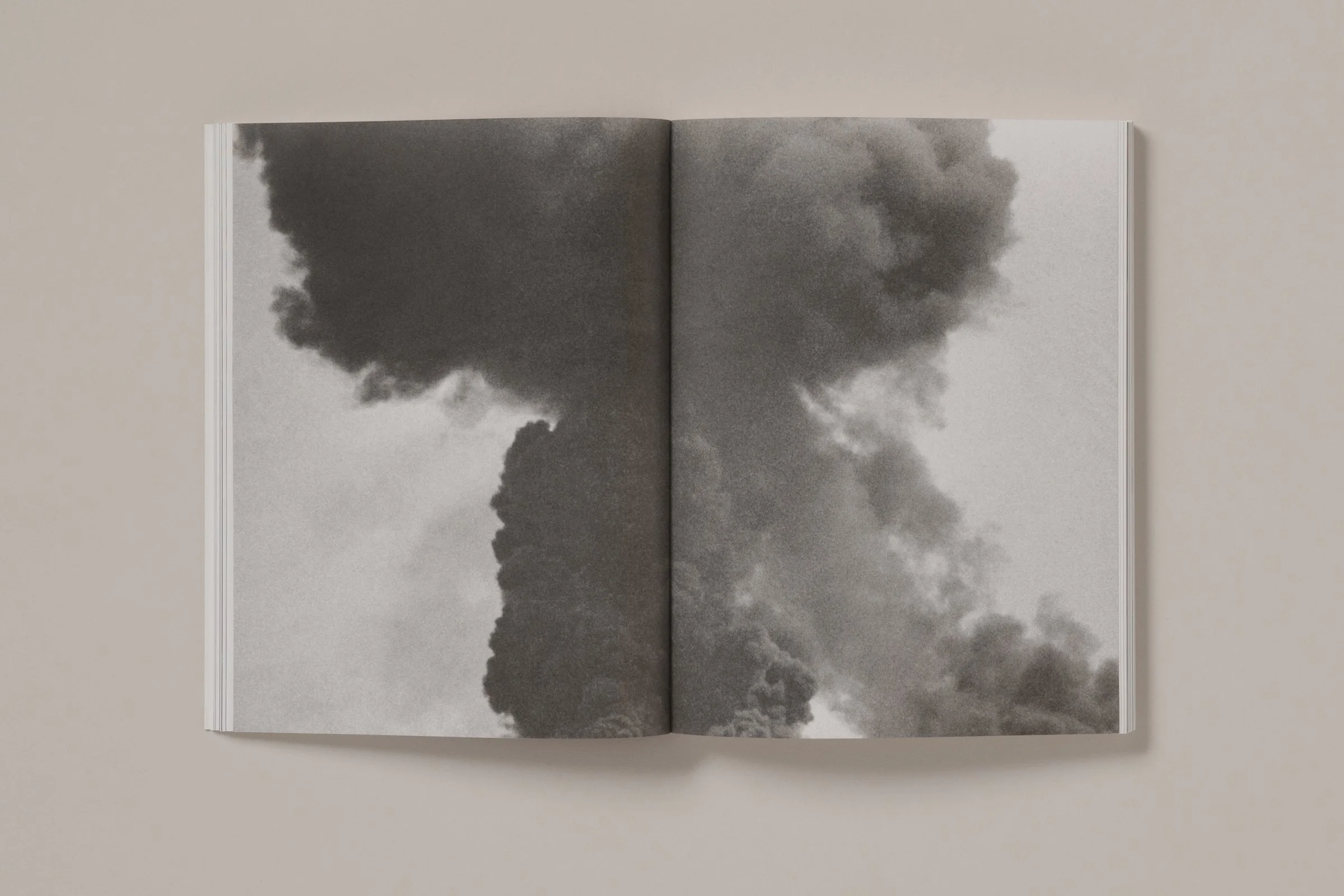
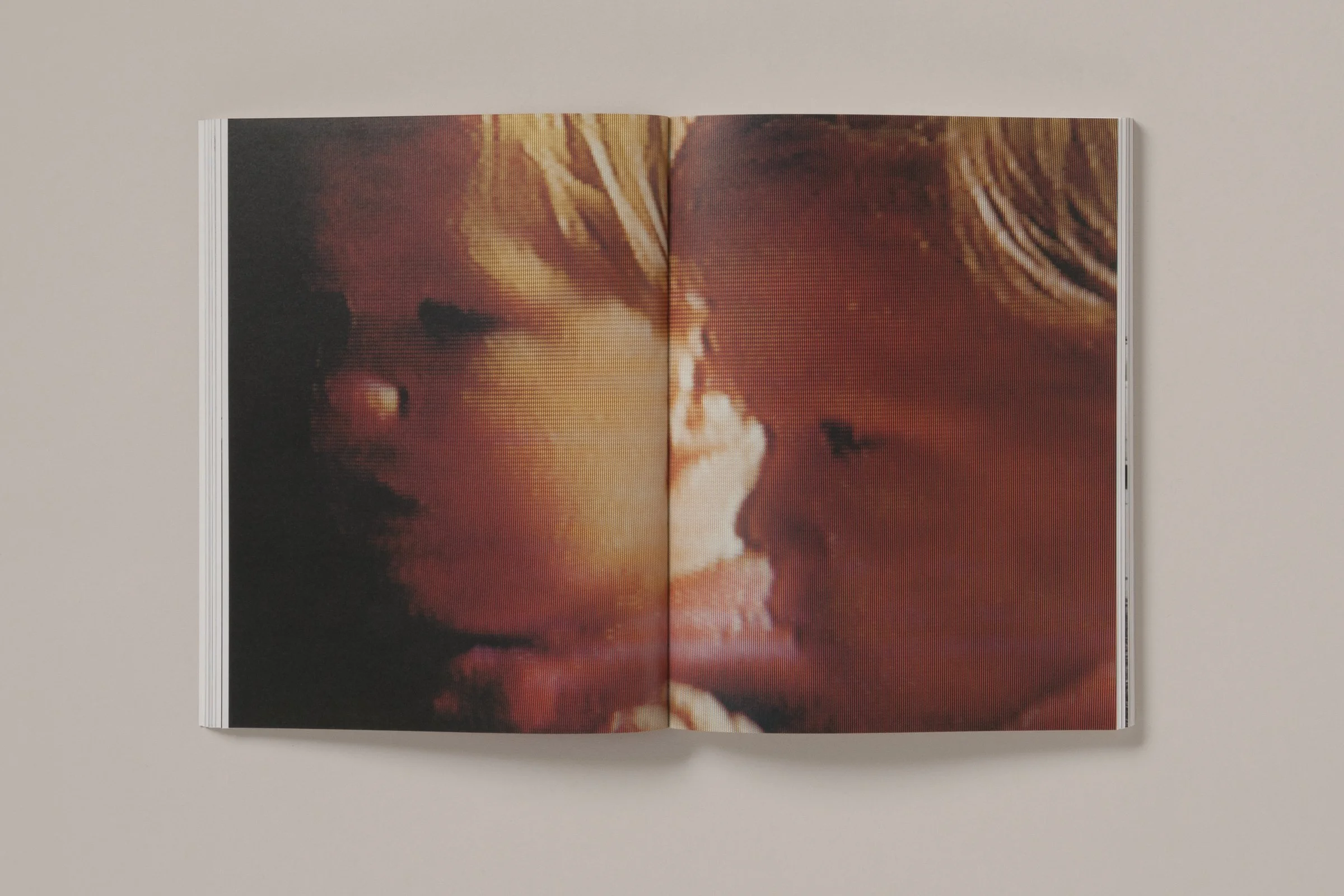
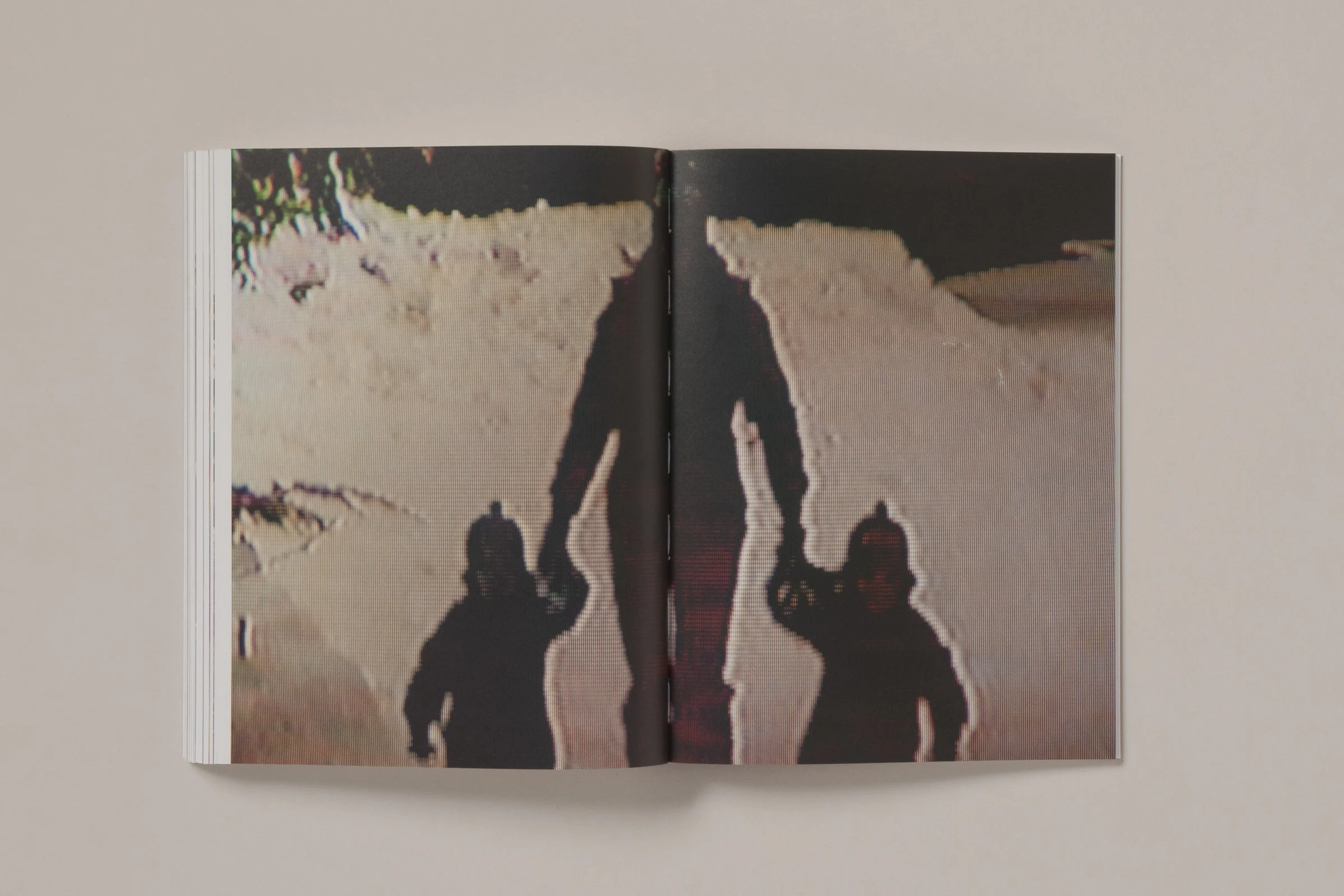
Some of the archival images in this work come from the Sioux City Journal, the local newspaper where the plane crashed. I got access to that archive in 2016, back when I had no idea where this work would lead me. Four years later I found an archive of family photographs that had been taken in the 1980s, many of which I’d never seen before. These two archives that are both a part of my family story—one gritty black-and-white photojournalism and the other colorful family snapshots—offer a stark contrast in aesthetic and emotional tones. I also include, as source imagery, film stills from two Hollywood movies set in Iowa and home camcorder footage, all of which I captured on a 1990s tube television.
Before making Son Pictures, I had a cache of all of these images floating around in my mind. So many of them were images I couldn’t possibly forget, but they existed in disparate, geographically-separated locations. Once I collated all the material onto a single hard drive and began mixing it all together I realized how it reflected my memoryscape. My childhood was so confusing and disjointed that I often relied on photographs and movies for meaning, escape, memory, and a sense of understanding—especially when it came to my mom and the crash. And, well, that’s the beauty of putting all of these materials into a photobook. It’s the perfect container. In a photobook images take precedence just as they always have for me.
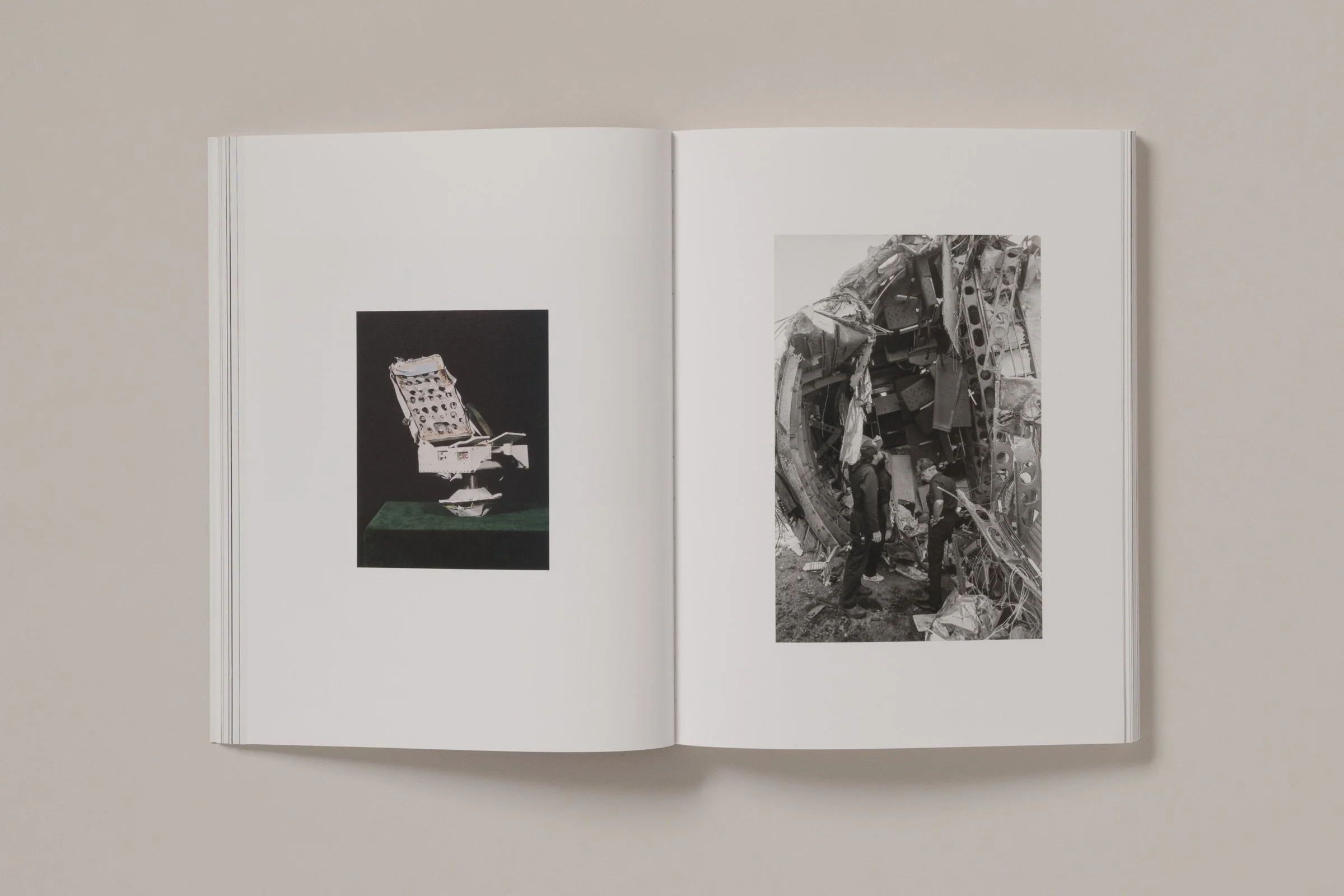
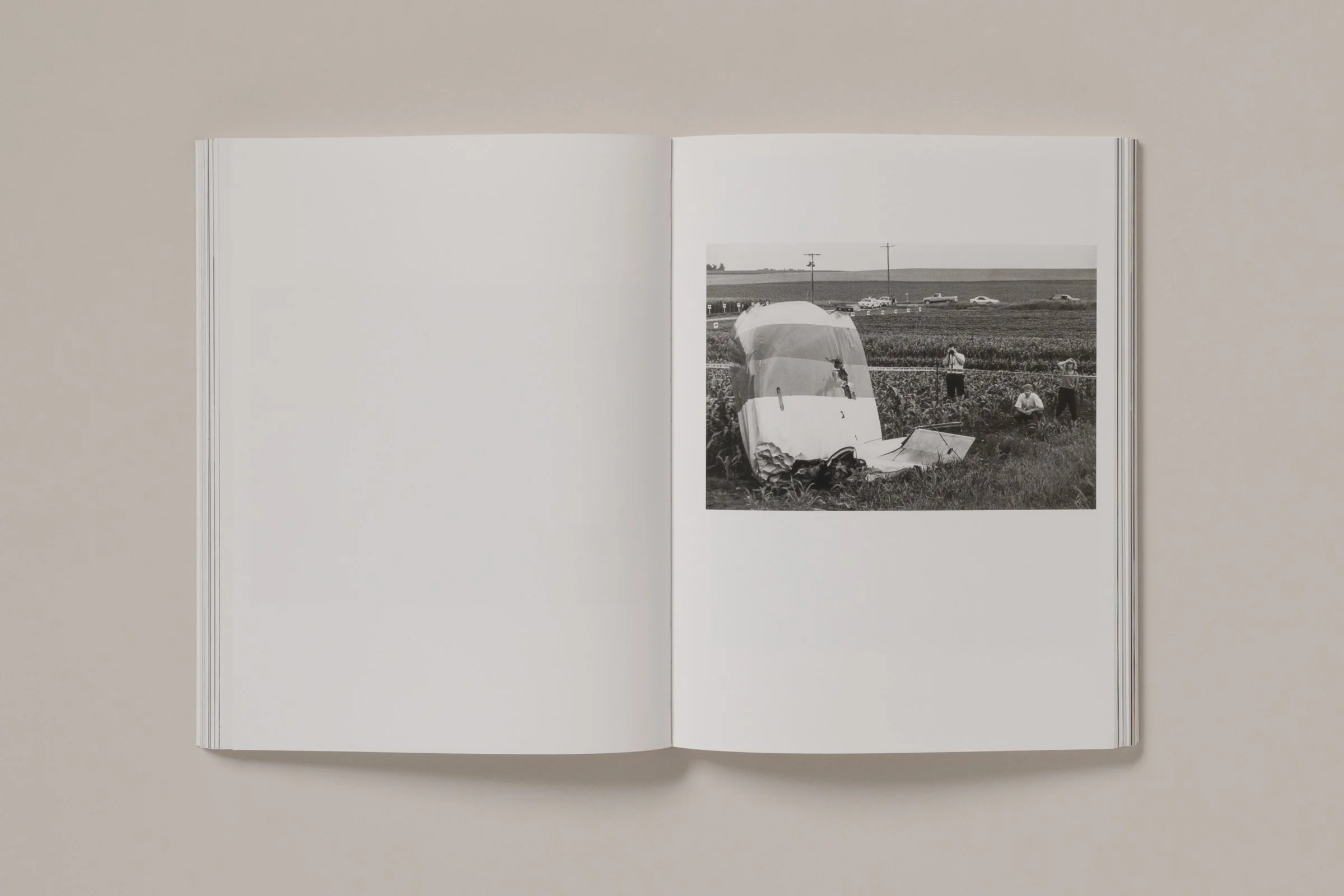
As for Gary Anderson, the photographer who took the infamous photo of my brother, the first time I remember meeting him was in 1994, at the unveiling of the memorial for the crash. The memorial’s centerpiece is a bronze sculpture based on his photograph. More than twenty years later, in 2016, he and I connected briefly when I got access to the Sioux City Journal archive and he wished me well on my project. Because he was a staff photographer in 1989, all the photographs he took (along with two other staffers) were and still are the property of the newspaper. The Journal’s editors gave me full access and said I could use the scans of the negatives however I wish for my art project. Because Son Pictures draws from many voices and photographic languages it’s important to me that Mr. Anderson’s remarkable pictures from the day of the crash are included as part of my family’s story.
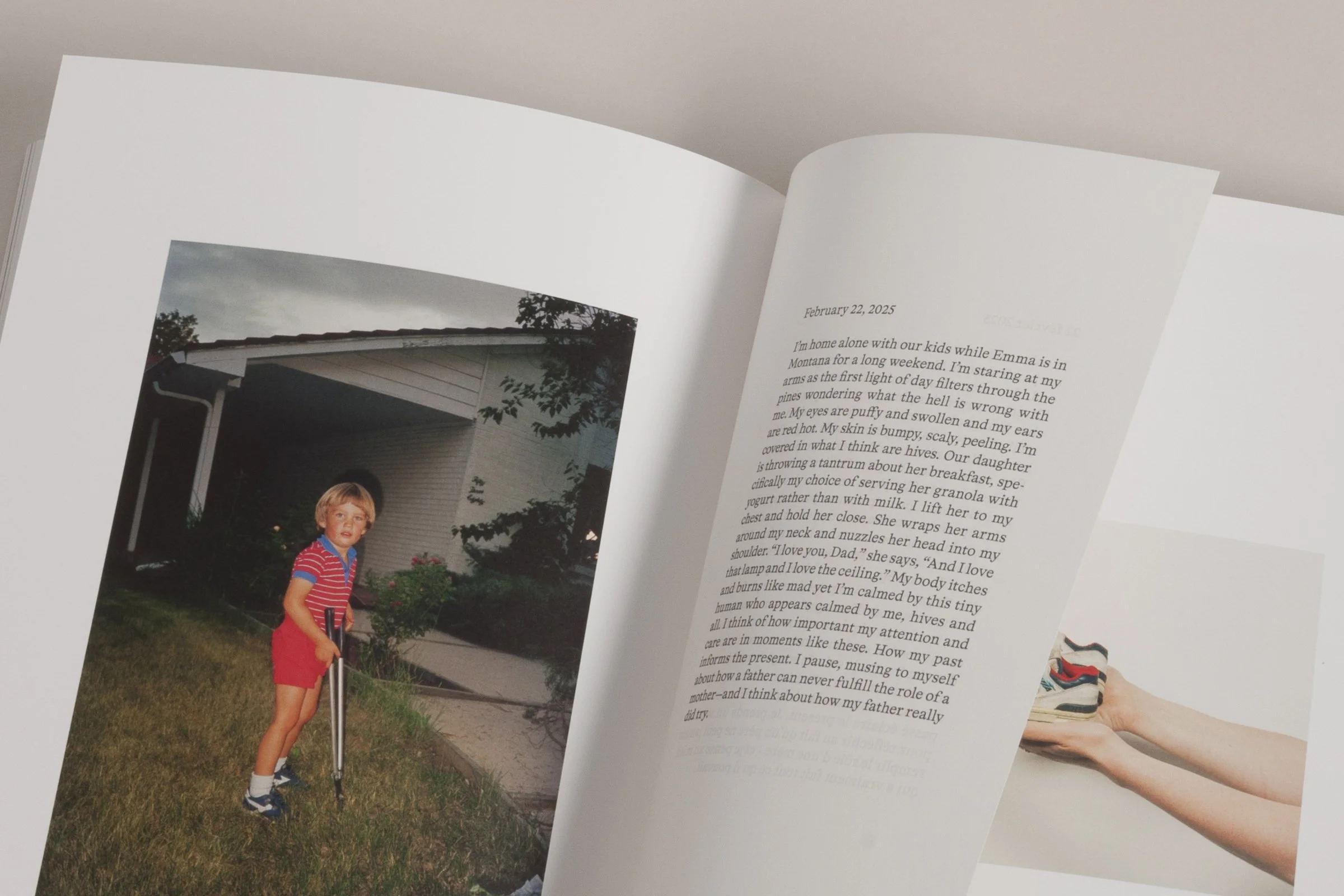
Flipping through the book it can be hard to tell whether a picture was taken by me or my mom or my wife or my brother. This reflects how intimate memories and experiences are passed on through family storytelling. Add to that, when a mass tragedy like the plane crash occurs, a family story suddenly becomes so public and intersects with so many others’ experiences, such as Mr. Anderson’s. Sometimes in the book it’s hard to tell if it’s a picture of the actual crash or from the movie. Reality and fiction overlap in surprising ways. I do make clear who each photographer is in a “List of Works” that’s included in the back pages of the book, but I don’t want the author, title, or location of each image to get in the way of the viewer’s initial experience.
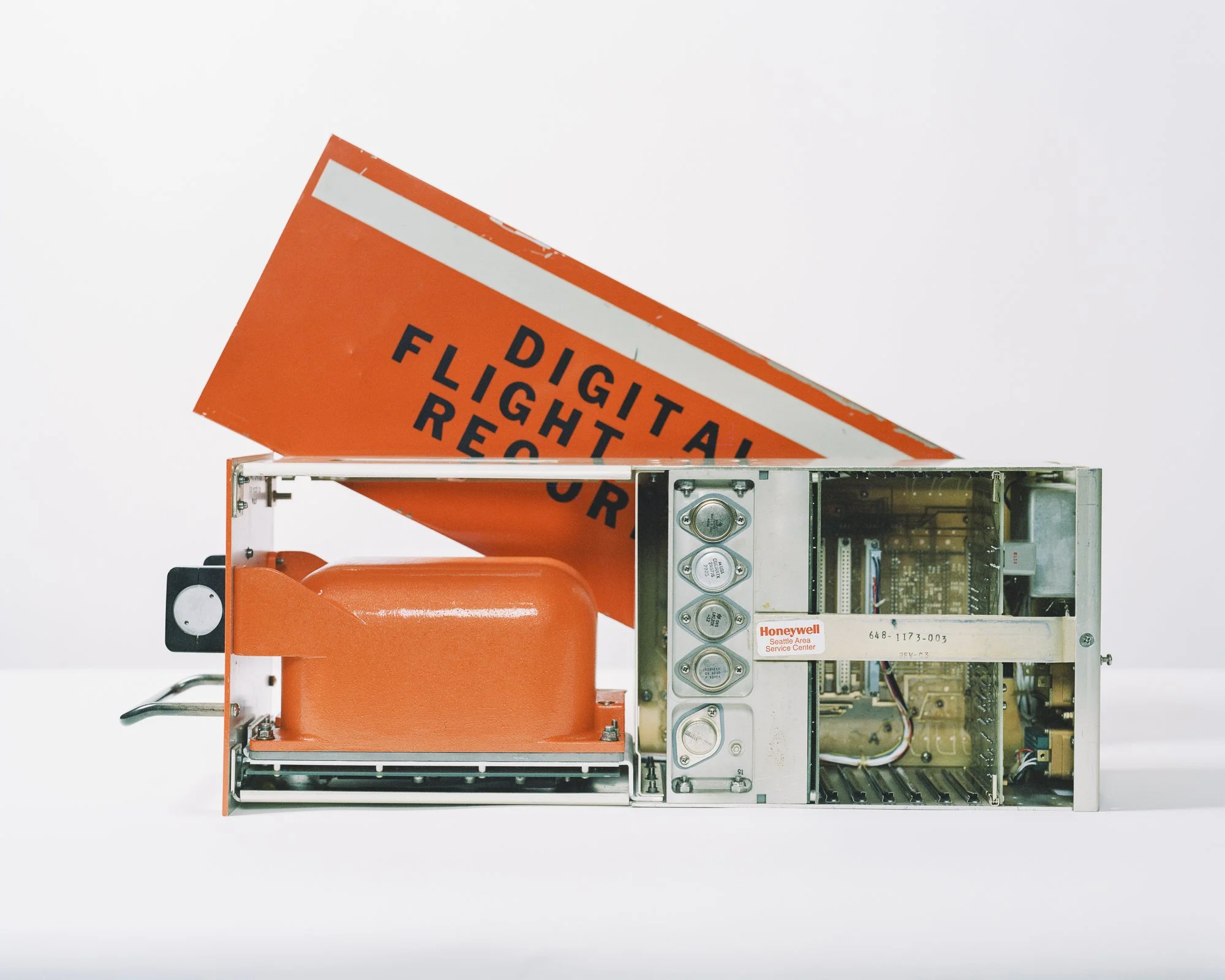
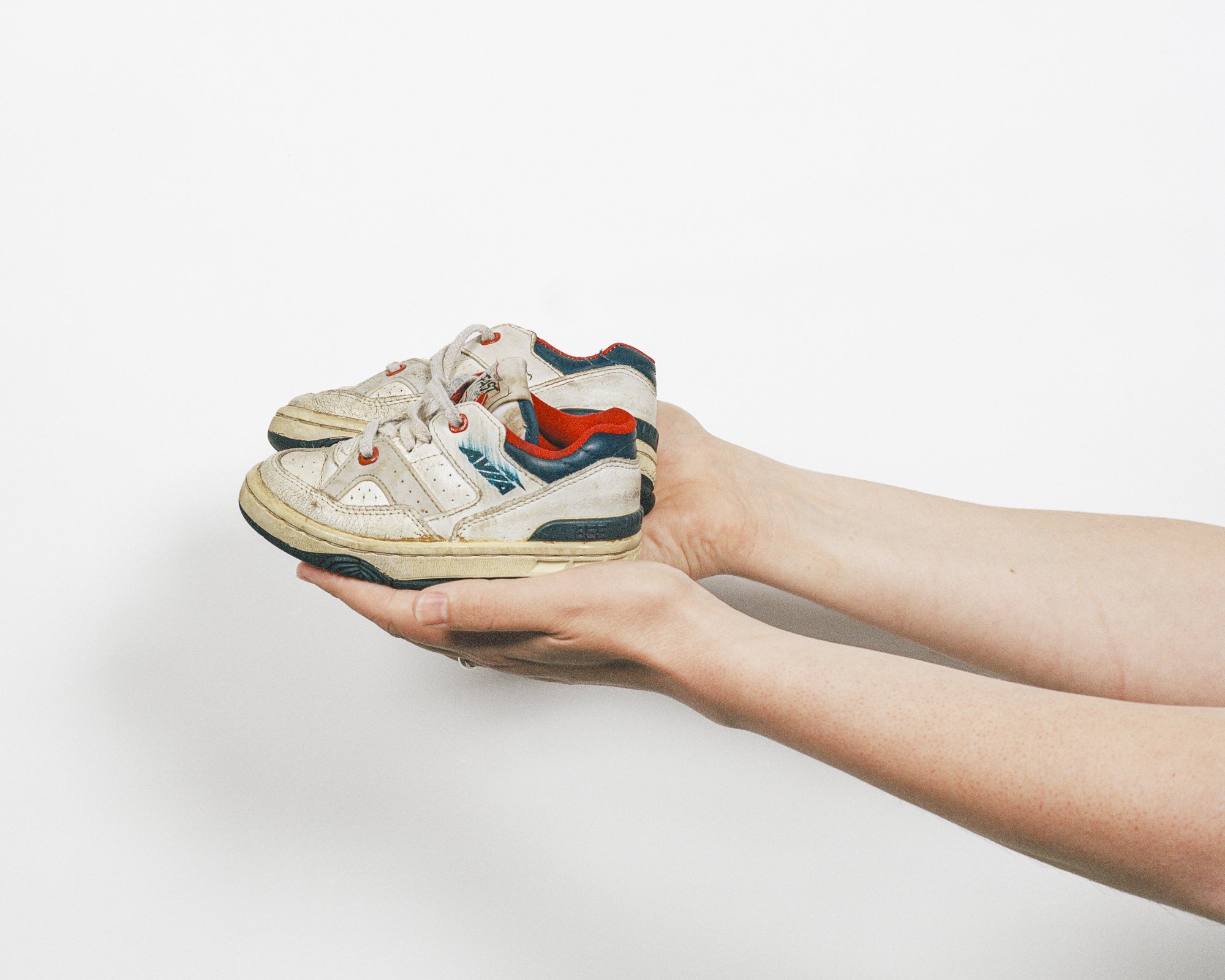
“It took me years to parse out what was serving the work and what was simply an interesting artifact that didn’t need to be a part of the project.”
What did you abandon in the process of making the book? Ideas, pictures, text, ways of thinking?
I had to abandon any sense of control. Because I’m a person coping with grief who is making art from that vantage, I’ve craved a semblance of balance and safety. I’ve also put an unnecessarily high value on anything that seems to communicate something about my grief. It took me years to parse out what was serving the work and what was simply an interesting artifact that didn’t need to be a part of the project. I had to let go of a lot of my own pictures, newspaper clippings that I’d either scanned or collected, excerpts I pulled from the flight’s NTSB investigative report, so many fascinating archival images and artifacts I’ve purchased on eBay, and many artworks by my mom.
When I first approached Chose Commune about publishing this book, I was so emotionally invested—how could I not be?—that I was having trouble deciding what to abandon. In addition to my initial edit and sequence I had more than 300 outtakes. In the end, I think the publisher and designer, Cécile Poimbœuf Koizumi, found a rhythm and structure that is true to what I’ve envisioned all along, but she also brought her own objectivity and expertise and made it better than anything I could have created solely on my own. I made around 20 sequences before Cécile worked on the book. Once she sent me her suggested sequence we barely changed it other than to add in a few images here and there and account for page count.
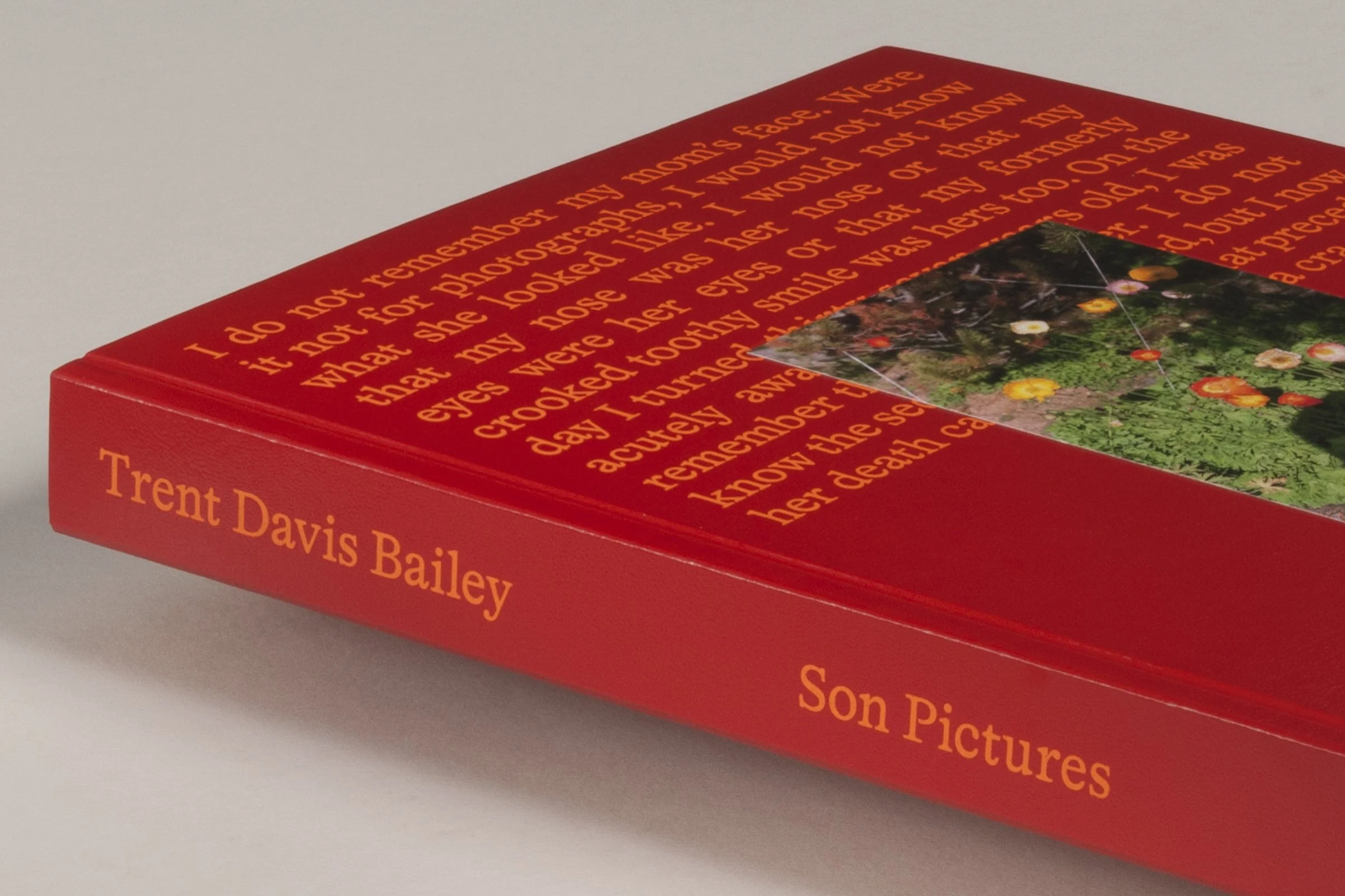
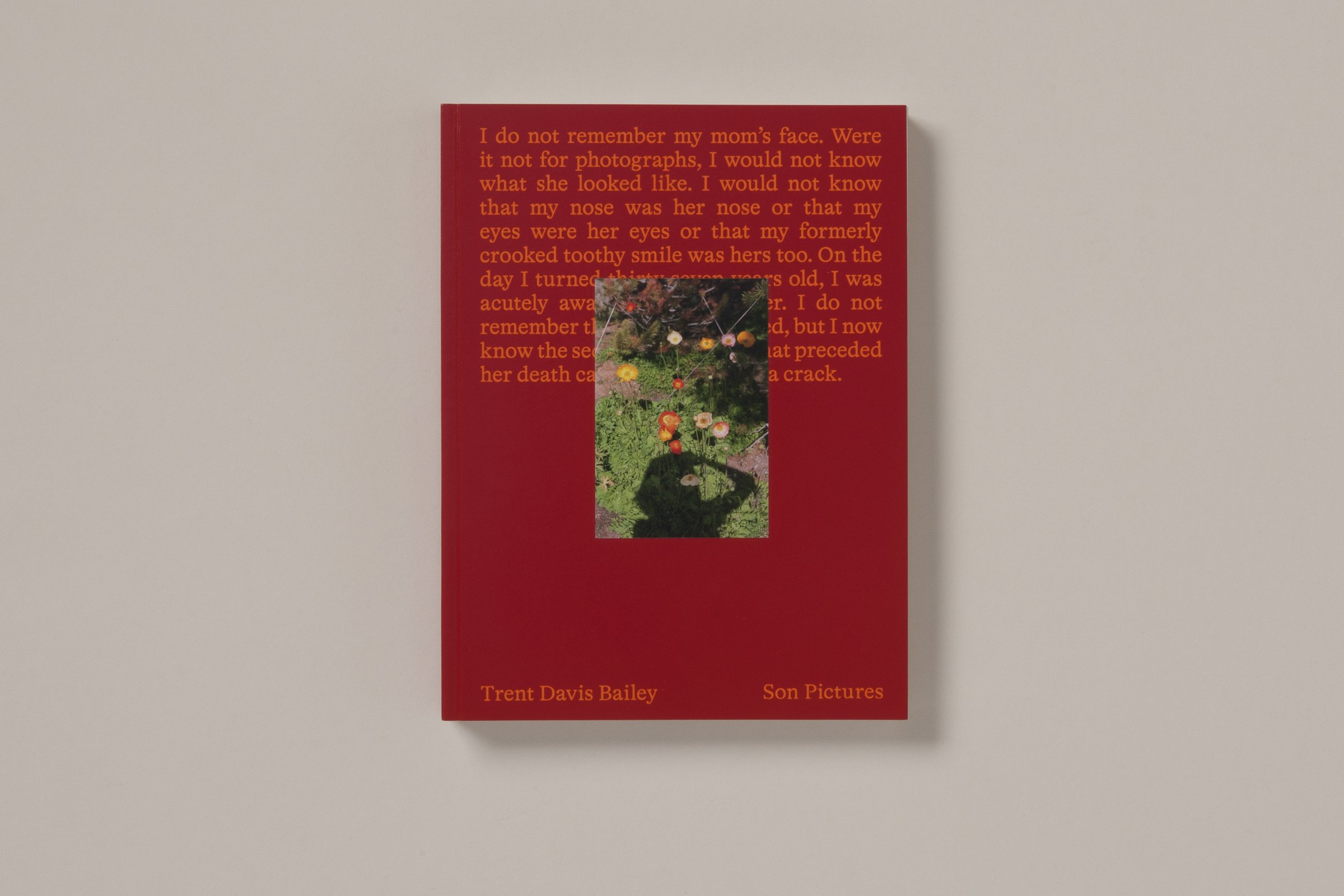
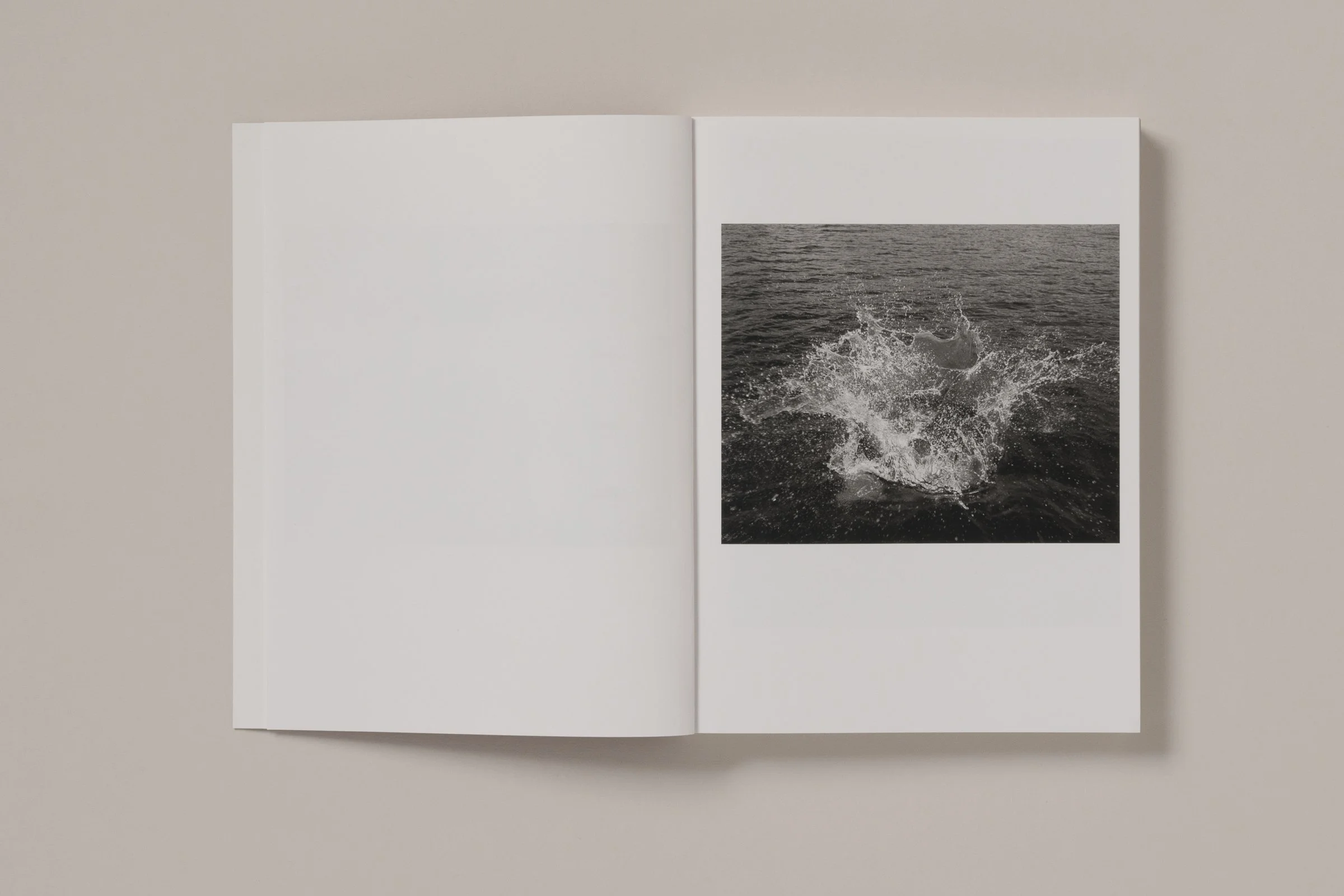
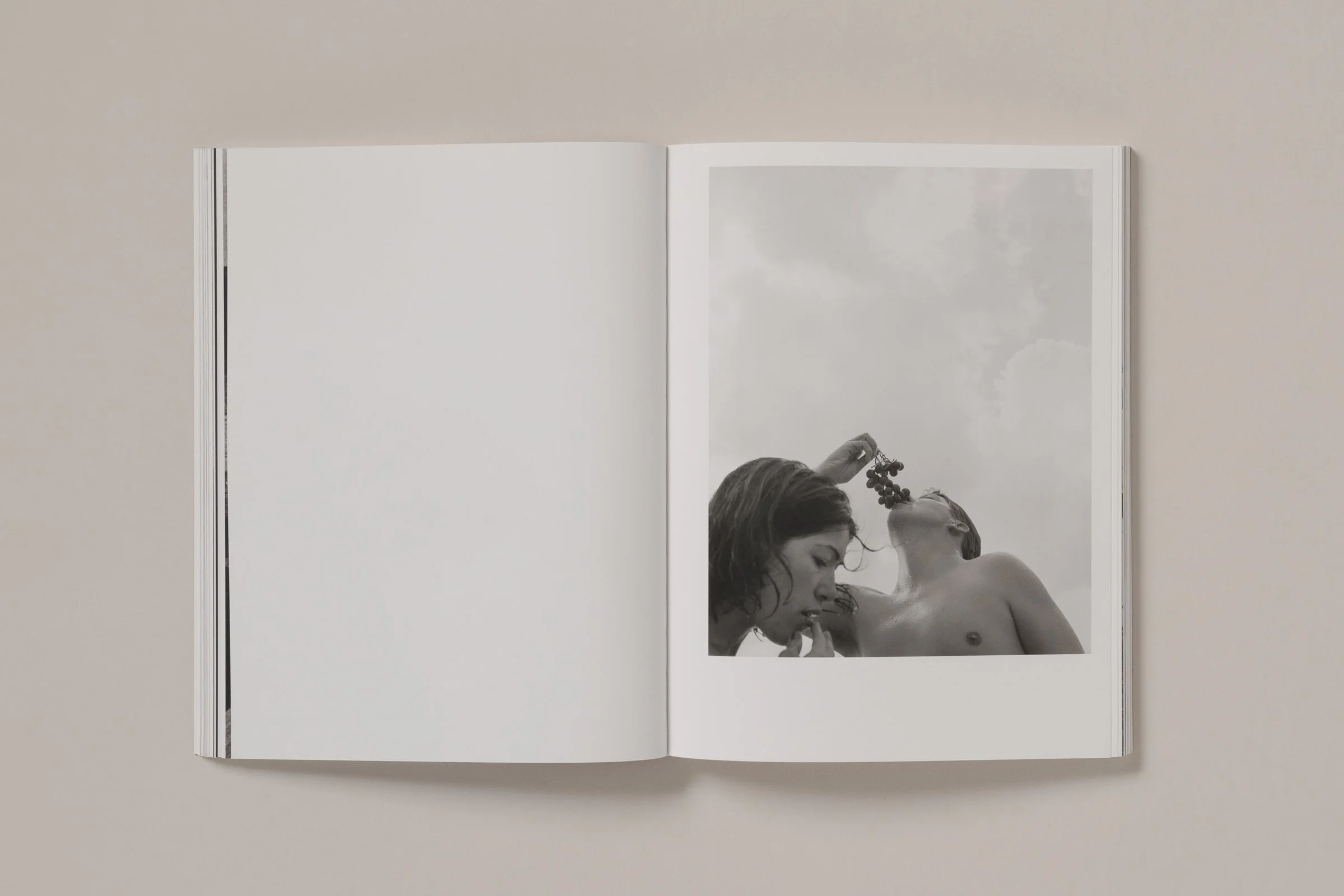
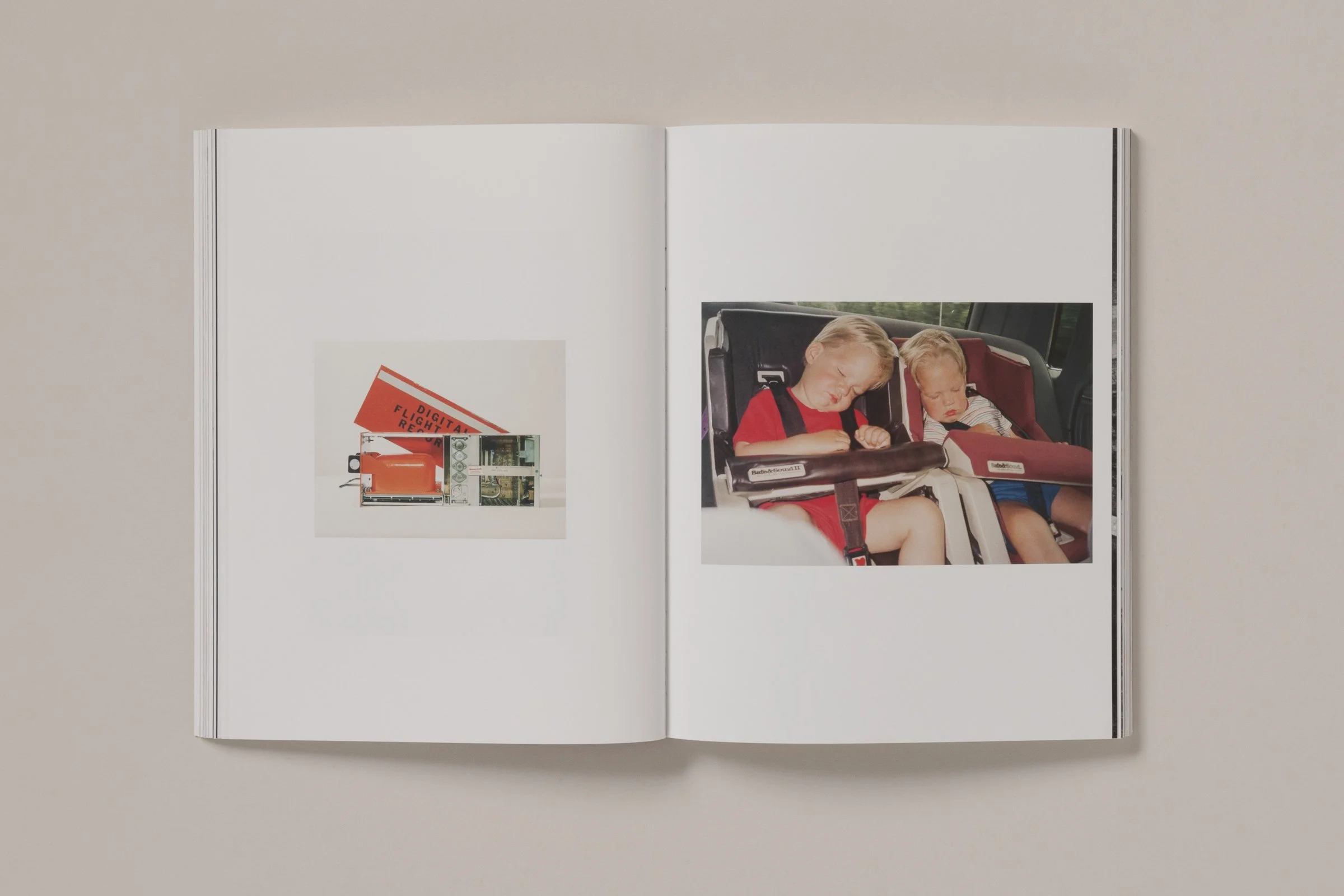
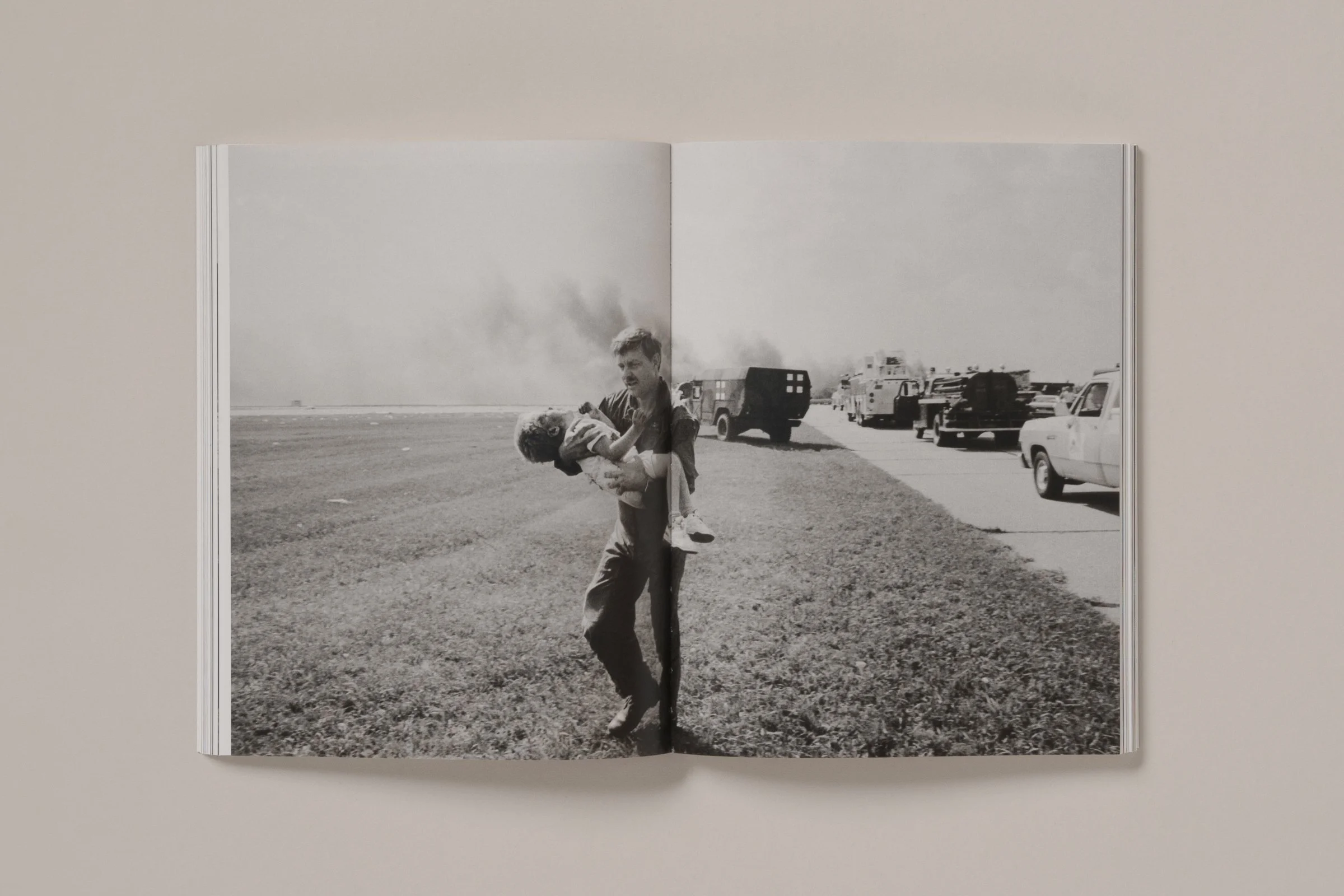
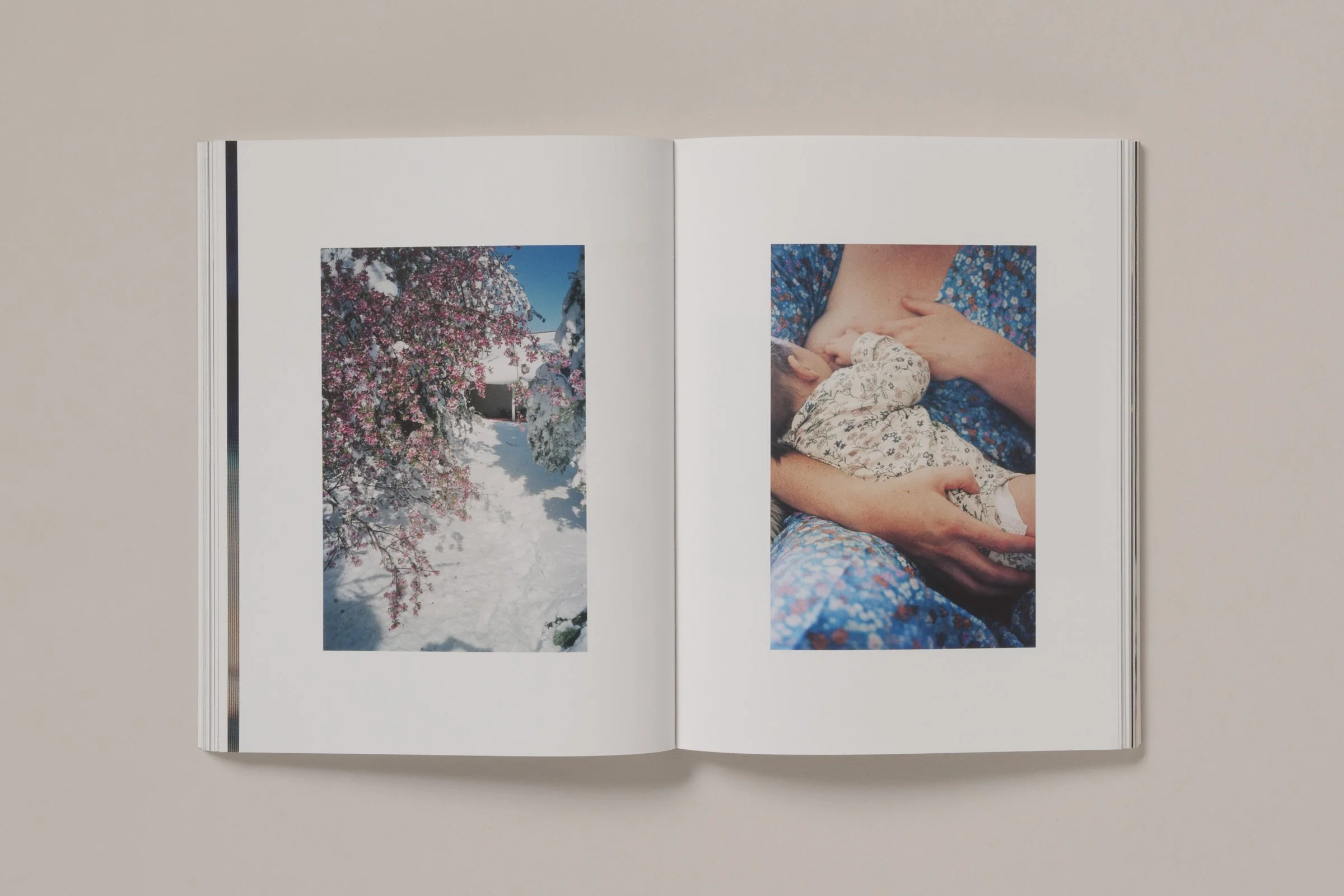
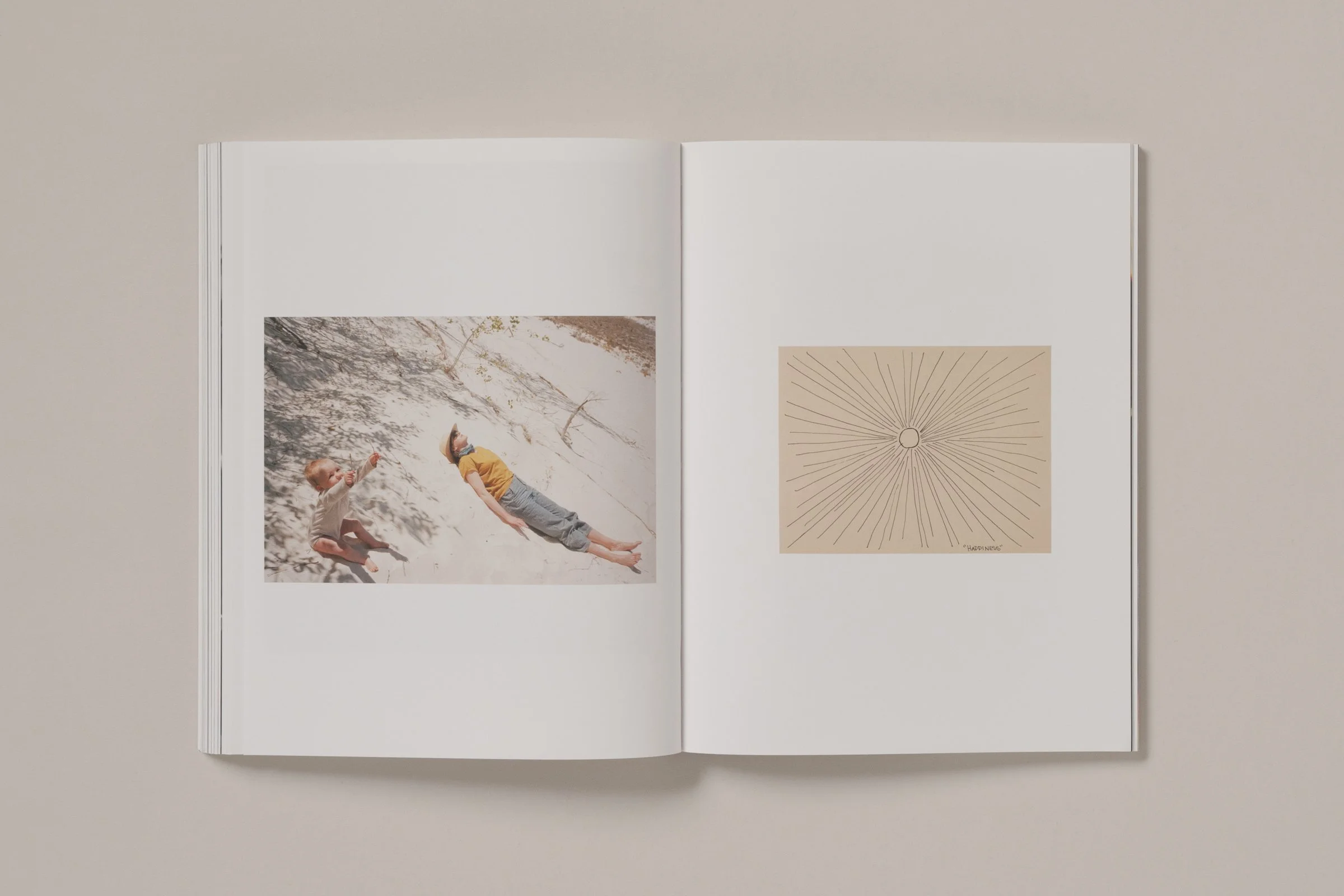
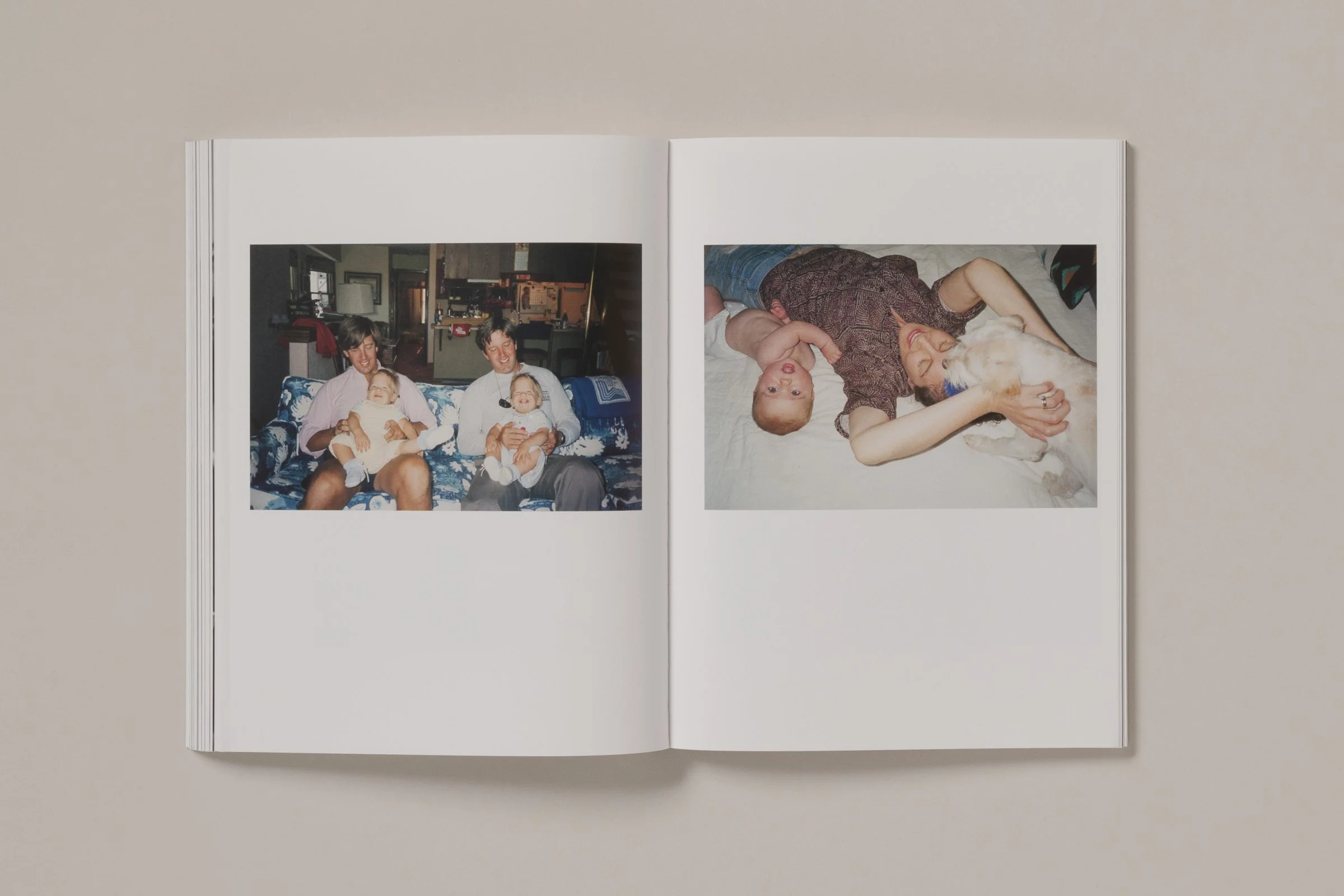
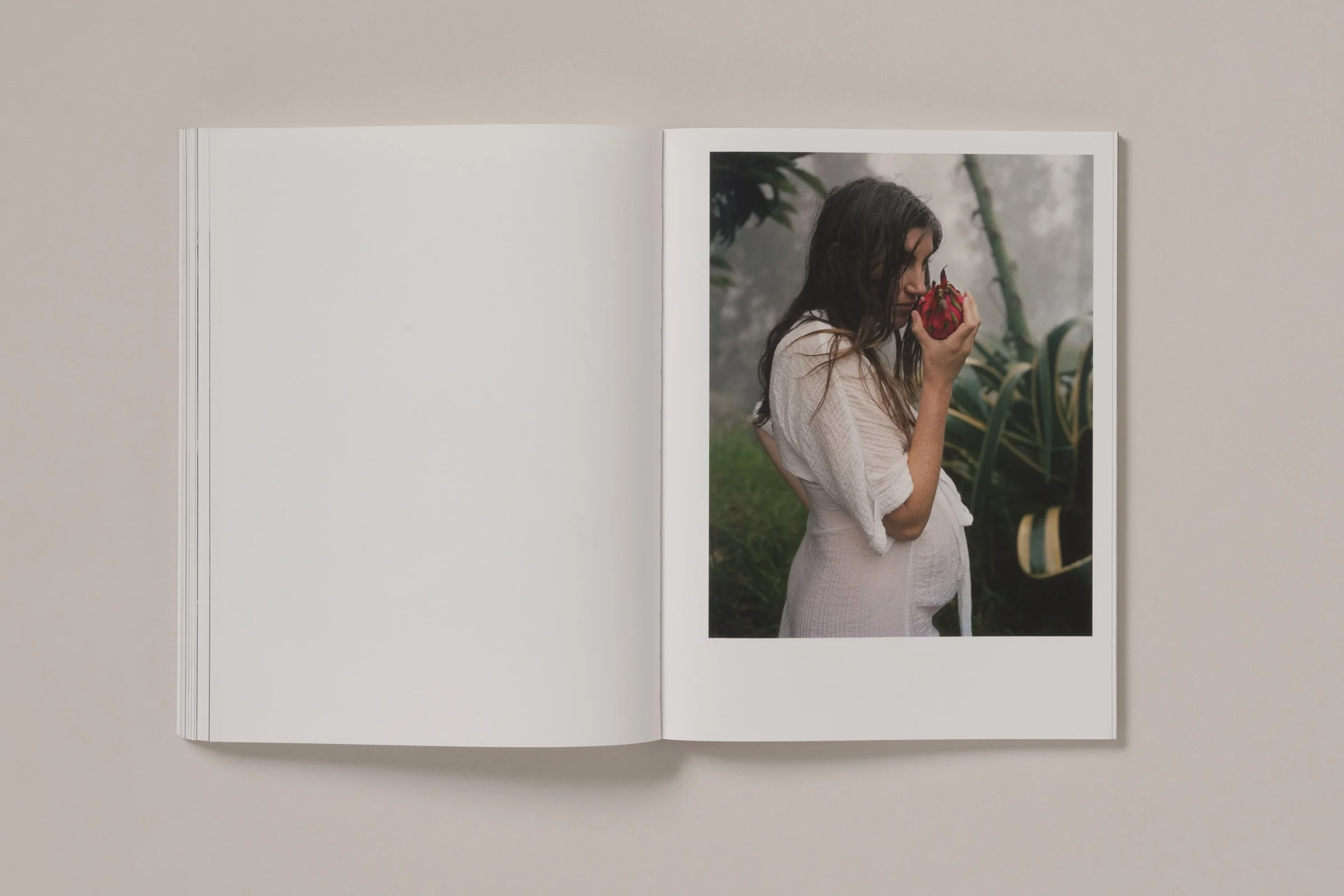
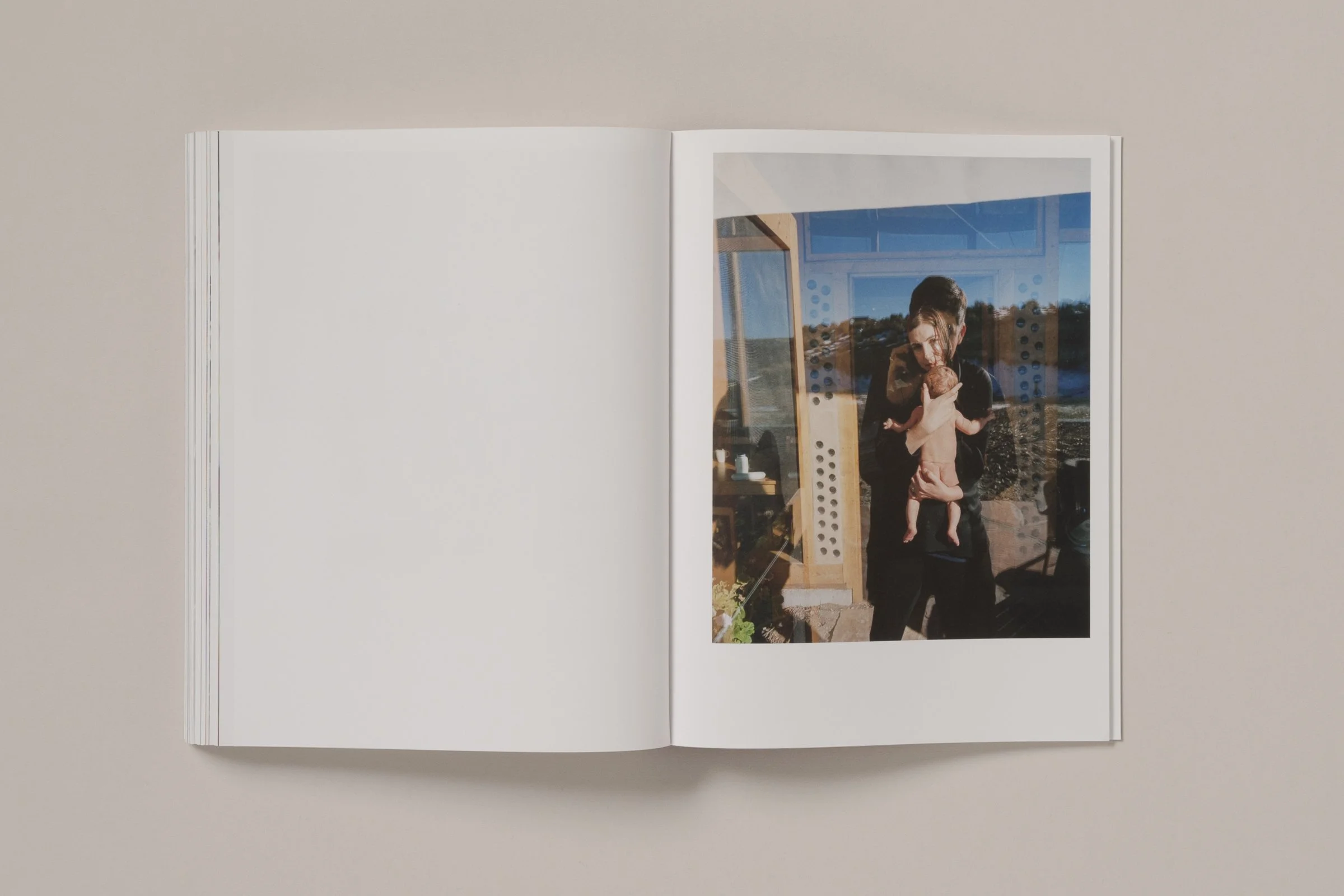
“Can I infer the problems and limitations inherent with these traditional forms of storytelling and suggest more sensitive, nuanced, multilayered, and alternative ways of remembering?”
What questions did the book ask you to confront? Creatively or in terms of your personal narrative.
There are so many I could list here, but these are the ones I keep coming back to:
How, as an artist, can I intervene in various archives to visually and viscerally relay my experiences of grief, loss, and memory?
How has mass media—particularly photojournalism of the plane crash and a Hollywood movie immortalizing the story—framed how I and many others have remembered this tragic event? Is it their story to tell? What happens when the story is told in the first-person?
What are the ramifications for a family who experiences the kind of trauma mine did? And, for a bereaved child like me, where does the line between truth and fiction fall within one’s memoryscape?
By repurposing media imagery in a first-person context, can I infer the problems and limitations inherent with these traditional forms of storytelling and suggest more sensitive, nuanced, multilayered, and alternative ways of remembering?
“It’s not an artist’s job to tightly package all of the meanings for the viewer; rather, I see it as the artist’s job to create a visual world in which meanings circulate more freely.”
When I encounter the book, I simultaneously encounter the total dread of an imagined world where I am separated from my son. How much did you think about the emotional space of the viewer? Talk about the role of text to moderate and guide our ability to enter this story.
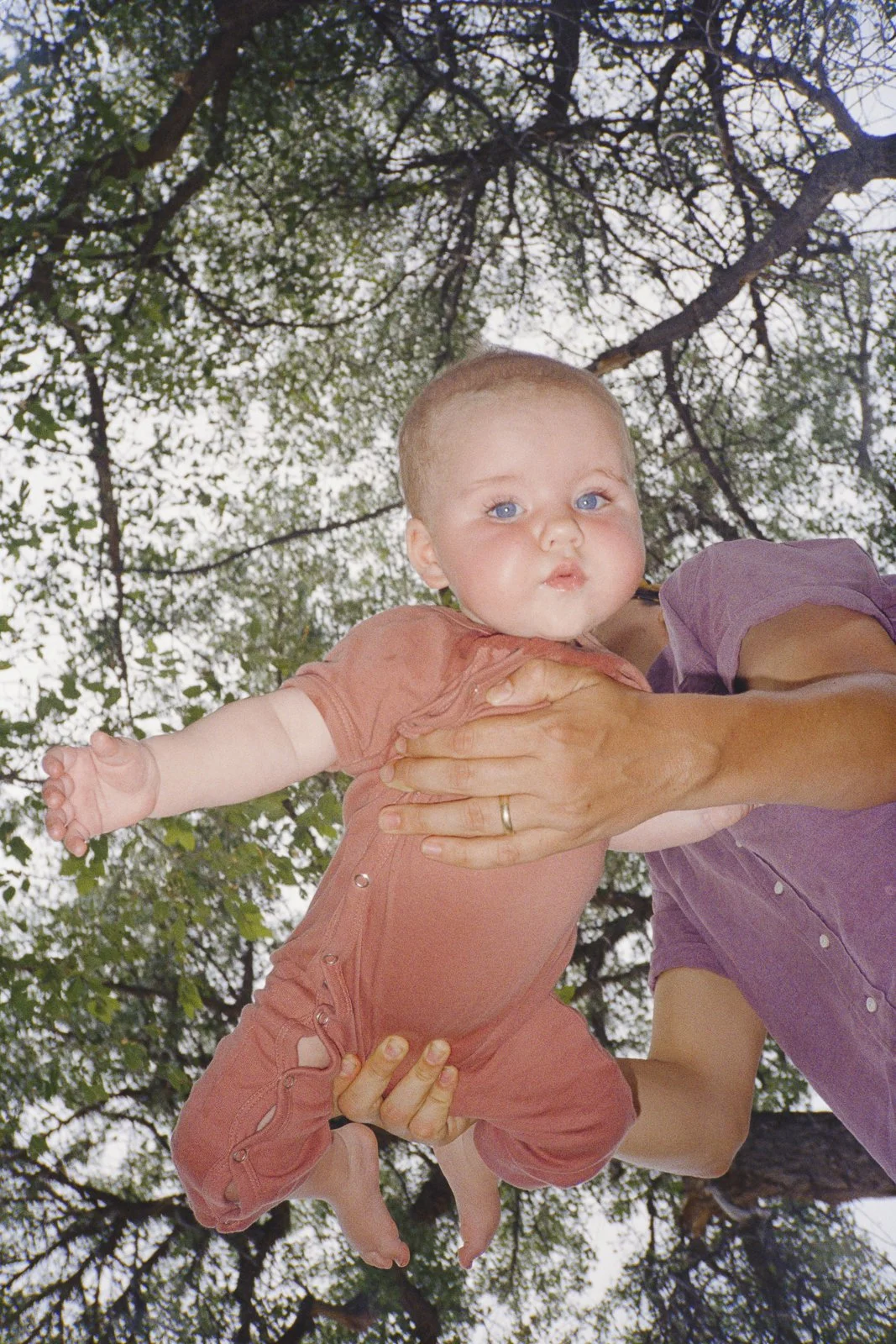
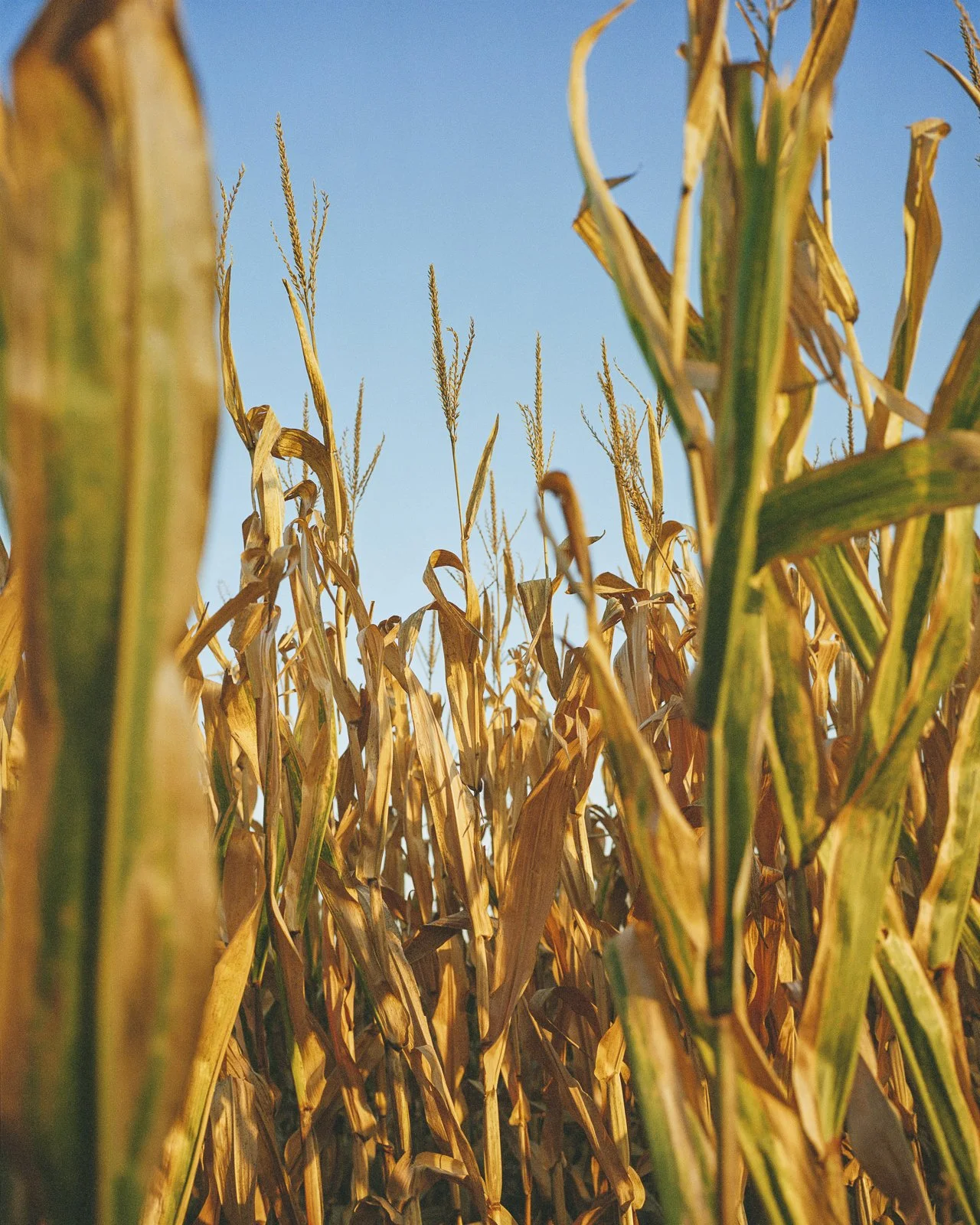
You’re not alone in that dread. As I note in my afterword in the book, my wife also had this experience looking at the book and seeing her life portrayed alongside my mother’s. For me, the best photobooks give the viewer their own freedom of expression. A photobook should be cohesive, but it doesn’t have to be an “easy read.” I’m most interested in books that expect the viewer to bring a high level of sophistication—emotional, personal, art historical, intellectual. It’s not an artist’s job to tightly package all of the meanings for the viewer; rather, I see it as the artist’s job to create a visual world in which meanings circulate more freely and the viewer is an integral part of the meaning making.
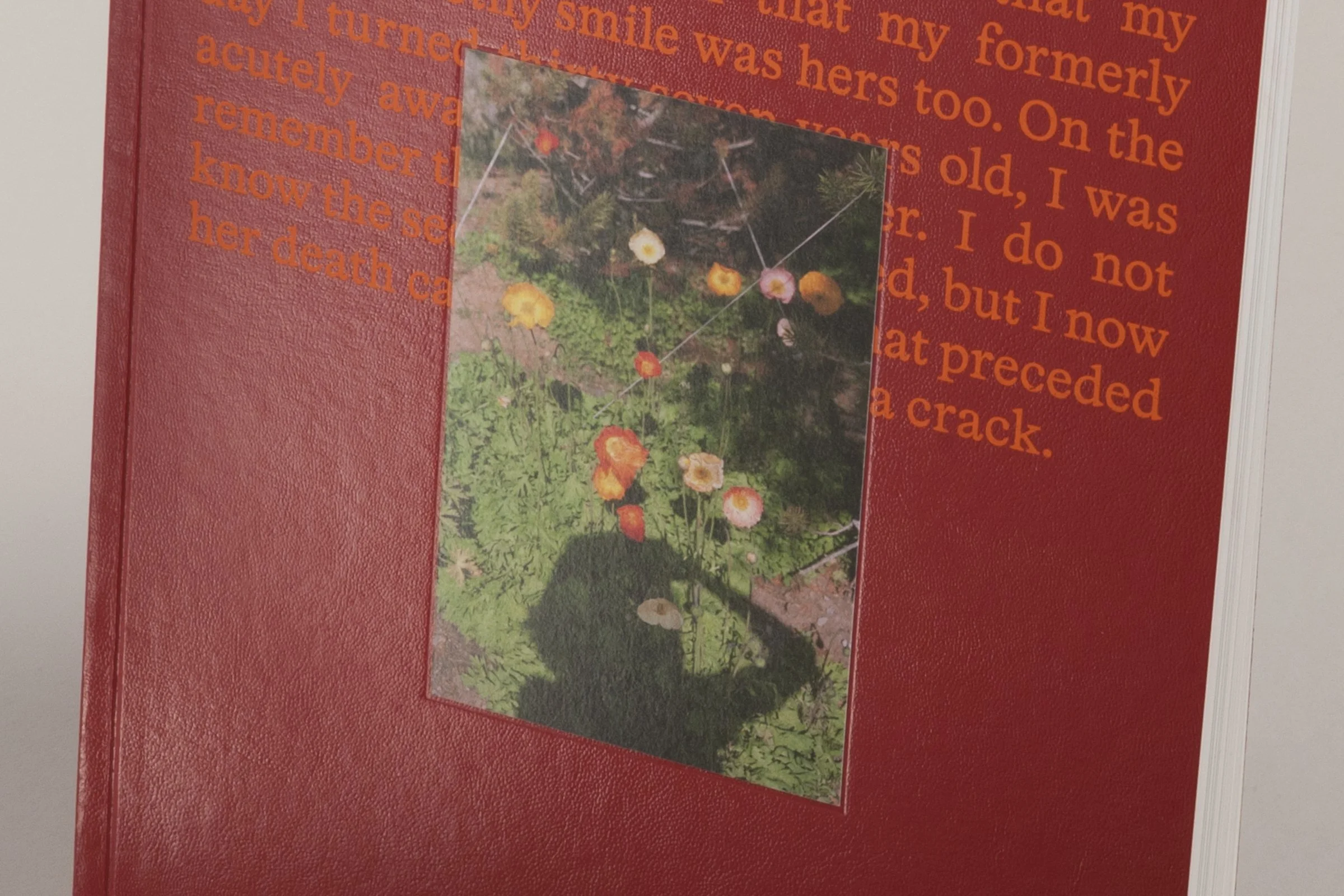
While looking at a book, it should be up to each viewer whether or not they wish to find themself in it. That said, in terms of image-text photobooks, the text needs to breathe just like the images do. If the photographs are too on-the-nose, or if the text is too directly referential of the images, then the work is too pointed, too limited or worse: it’s telling the viewer what to think. My goal with Son Pictures was to allow for many points of entry—through text and images—and to have the short texts I wrote echo the open-ended, memory-induced lyricism of the photographic sequence.
“I’ve carried so much of the emotional weight of my family of origin inside of me that I’ve had to figure out where it resides and how to process it so I can be as present as possible in my daily life. My art practice has been only one modality for that processing.”
Talk about your support system through the creation of the book. Who helped Son Pictures come to be and what, specifically, did they contribute to your creative process?
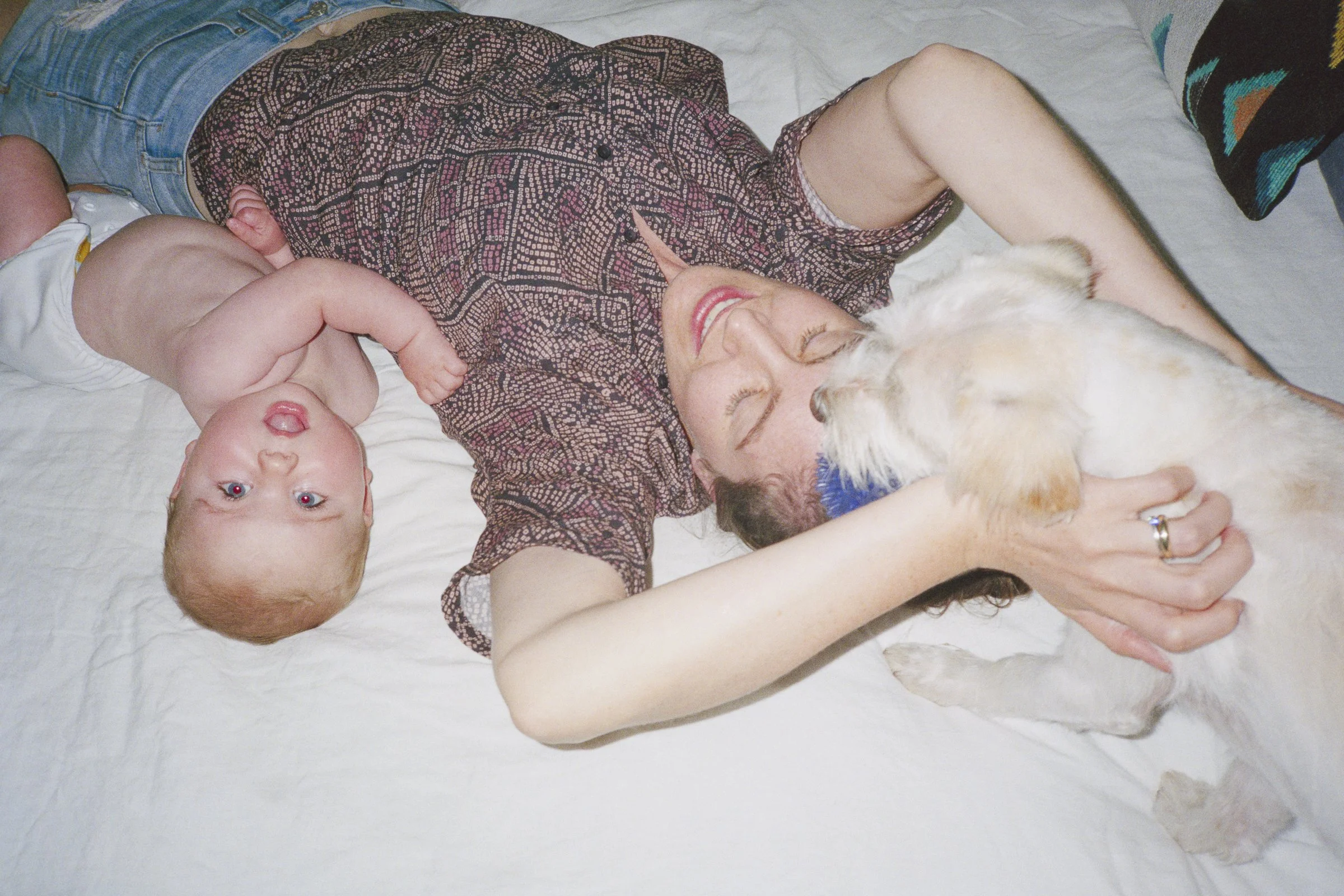
I’ve already touched on how my mom contributed to my creative process, but my now wife, Emma, has been my most consistent support system. I started this project less than a year into dating and I think, for the first time in my life, Emma made me feel safe. My brothers also encouraged me to go to Iowa to see what I might come back with. With Emma’s and their support, I felt I could finally acknowledge the wellspring of grief that I’d largely ignored throughout my youth and young adulthood. Once I’d made that first trip and started this project it would have been unrealistic for me to independently shoulder the dark emotional landscape I’d unearthed. Within a year of working on this project it became obvious that I needed to go to therapy. I’ve since had a therapist, I’ve gone on to attend three silent meditation retreats, I’ve had a somatic coach, and Emma and I have been in relationship therapy. I’ve carried so much of the emotional weight of my family of origin inside of me that I’ve had to figure out where it resides and how to process it so I can be as present as possible in my daily life. My art practice has been only one modality for that processing. I’ve also been fortunate to have the support of grants from Working Assumptions, a traveling artist residency called Brooklyn Darkroom, and I got 300 sheets of 4x5 film and free film processing as part of the first-ever Film Photo Award. There’s a pretty dense acknowledgments page in the back pages of the book that attests to all the individuals and organizations that made this book possible.
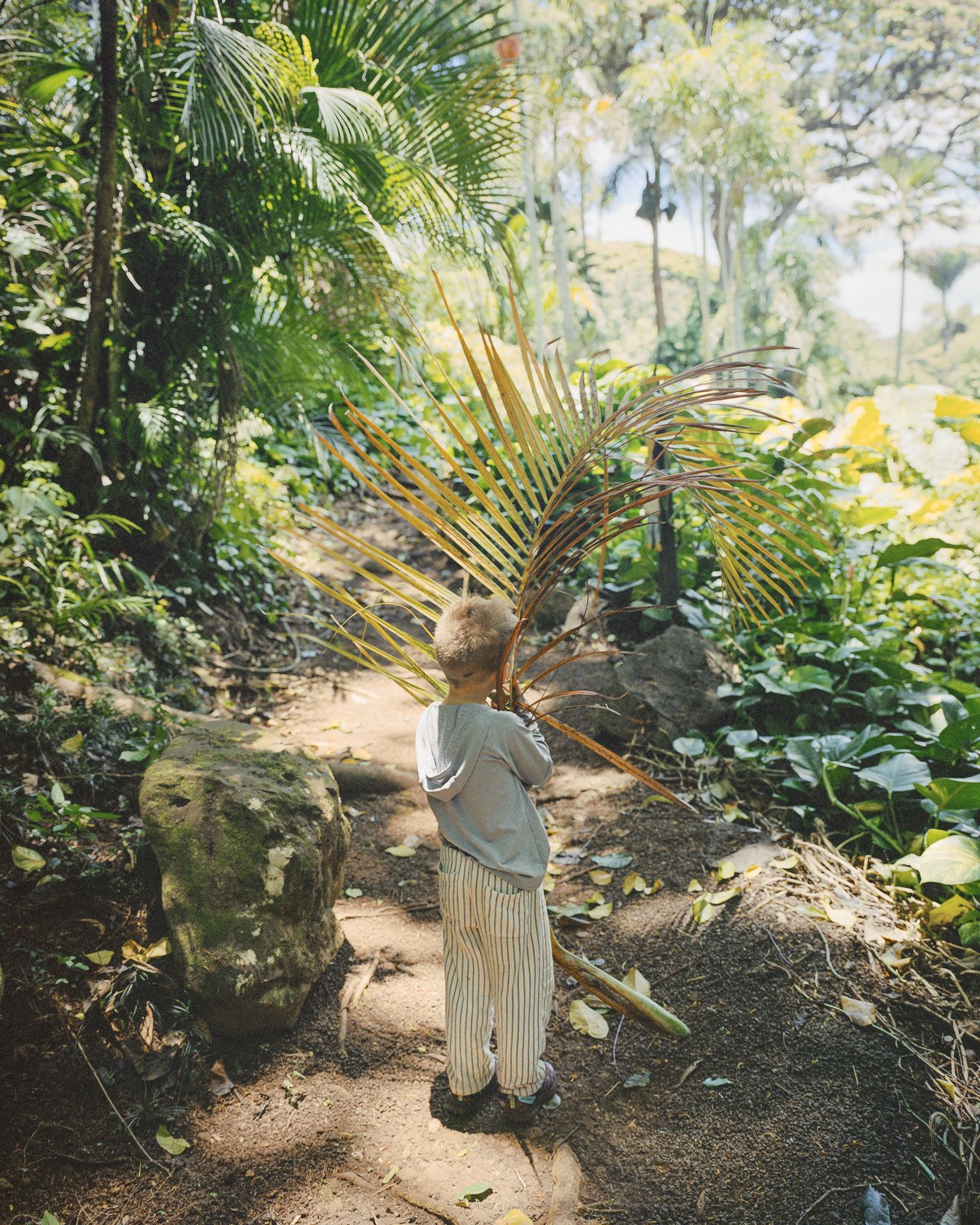
“The work is a kind of visual manual for storytelling and creative blueprint for healing.”
What are your aims for the lifespan of the work? Where do you want it to go? Give us a picture of your highest aim for Son Pictures. The book has its best place in the world when in the hands of…
I have no expectations for where this work will go, but I dream of exhibiting the work and seeing new installation possibilities for it when it comes off the page and onto the wall and in three-dimensional space. My highest aim would be that the book reaches people who can see this work as a kind of visual manual for storytelling and creative blueprint for their own healing. It has its best place in the world when in the hands of someone who is being fully present with the images and discovering this story for the first time, who may see themselves in it in some way, who may wish to return it again and again, make new discoveries, and perhaps come to realizations that go well beyond the book.
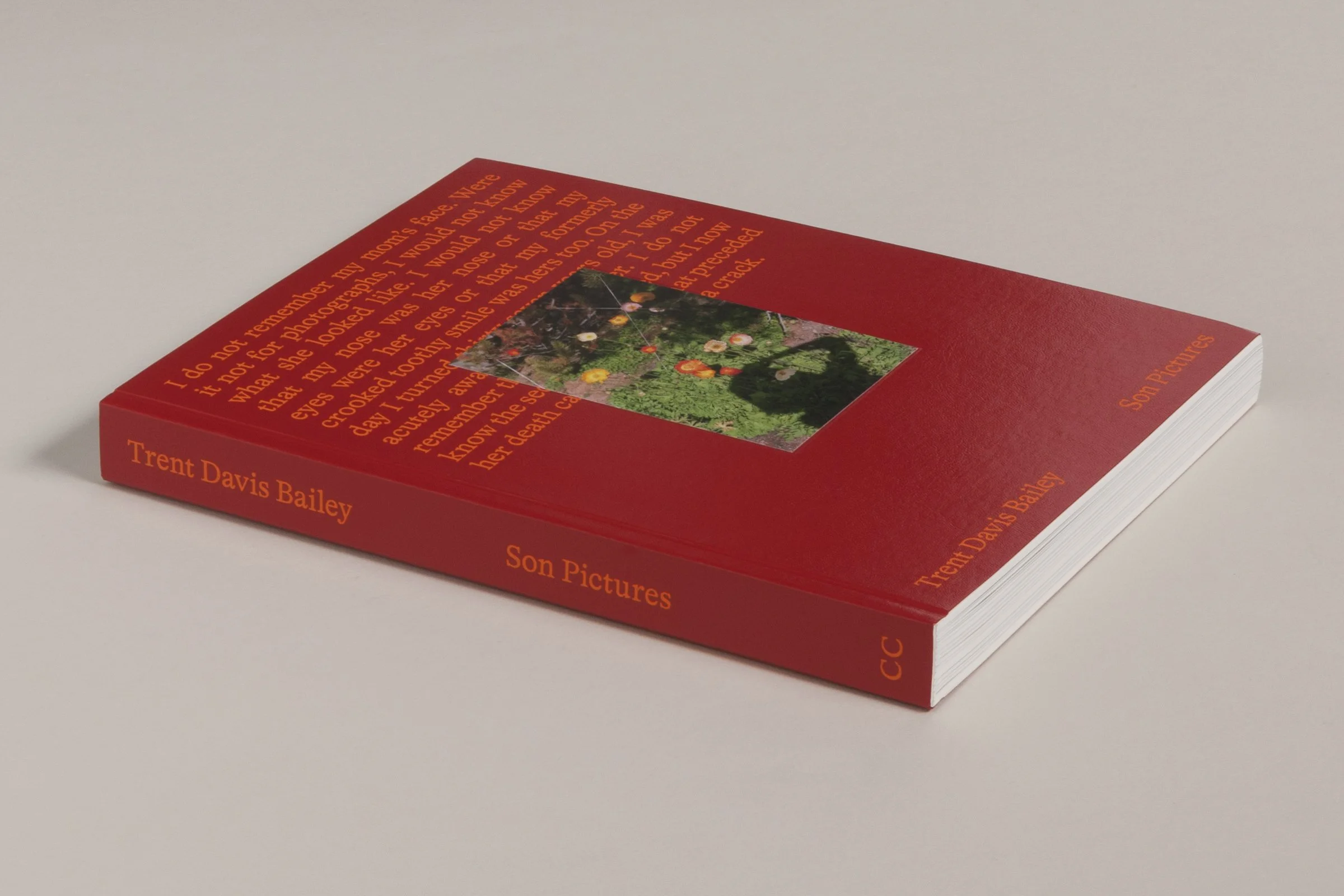
Trent Davis Bailey is an American artist and photographer born and based in Colorado. Bailey’s work has been exhibited and published nationally and internationally, and it is held in the permanent collections of the Denver Art Museum and the Museum of Contemporary Photography (MoCP), among others. He is the recipient of numerous grants and awards, including 2024 and 2025 Working Assumptions project grants, a 2019 Film Photo Award, the 2015 Snider Prize from the MoCP, and a 2014 Magnum Foundation grant. His work has been featured and reviewed in The New York Times, The Wall Street Journal, and Photo District News, among others. Bailey’s photographs—often described as cinematic and richly atmospheric—have regularly appeared in publications such as The Atlantic, The New York Times Magazine, and T Magazine. He has taught photography at a number of institutions including the University of Colorado Denver and the California College of the Arts. His first book, The North Fork, was published by Trespasser (Austin, Texas, USA) in 2023. His second book, Son Pictures, was published by Chose Commune (Marseille, France), in 2026.