The Self Portrait as Social Document
By Natalie Stanczak
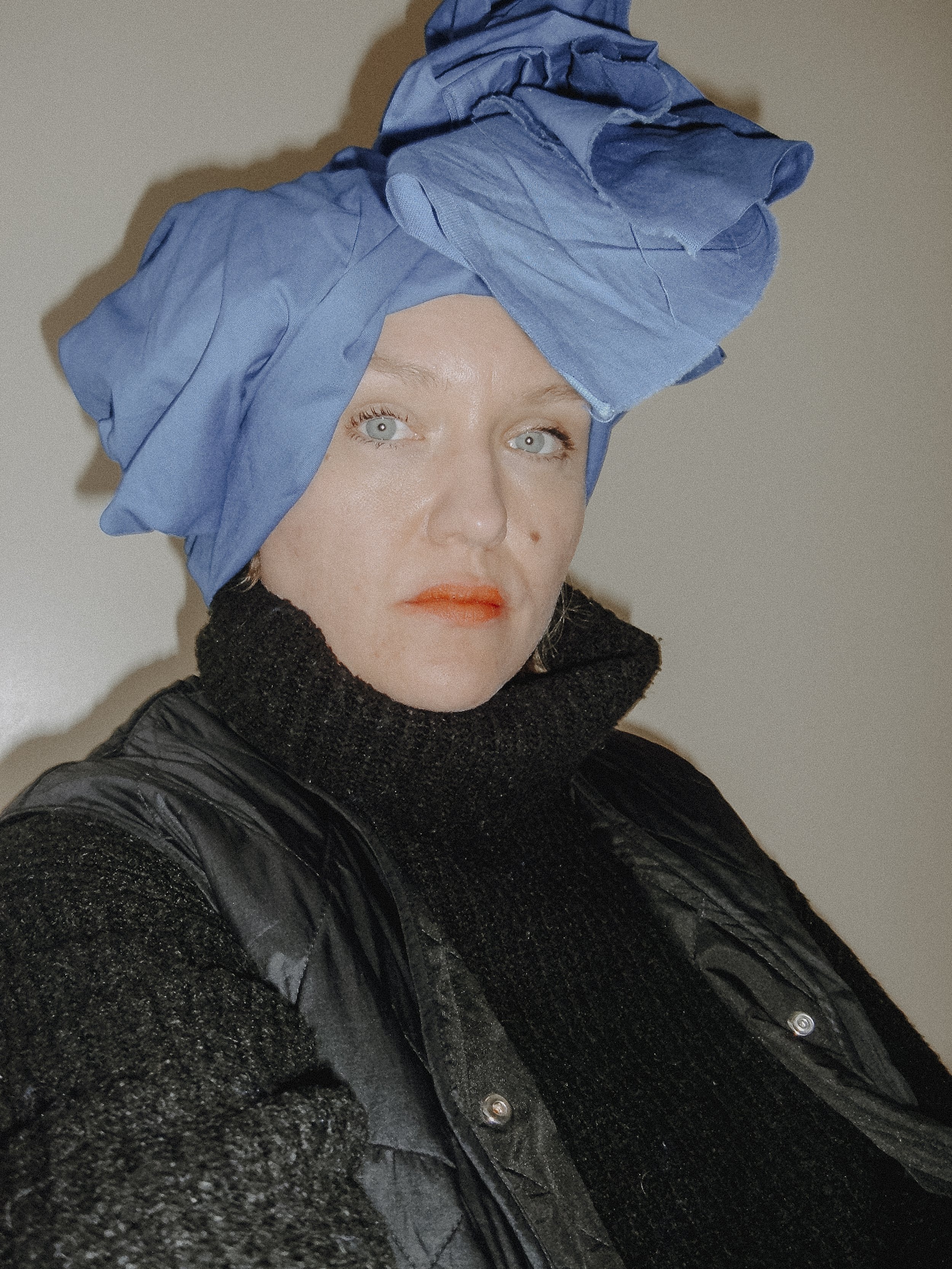
“The self-portrait [is] not only an autobiographical image, but a social resonance space.”
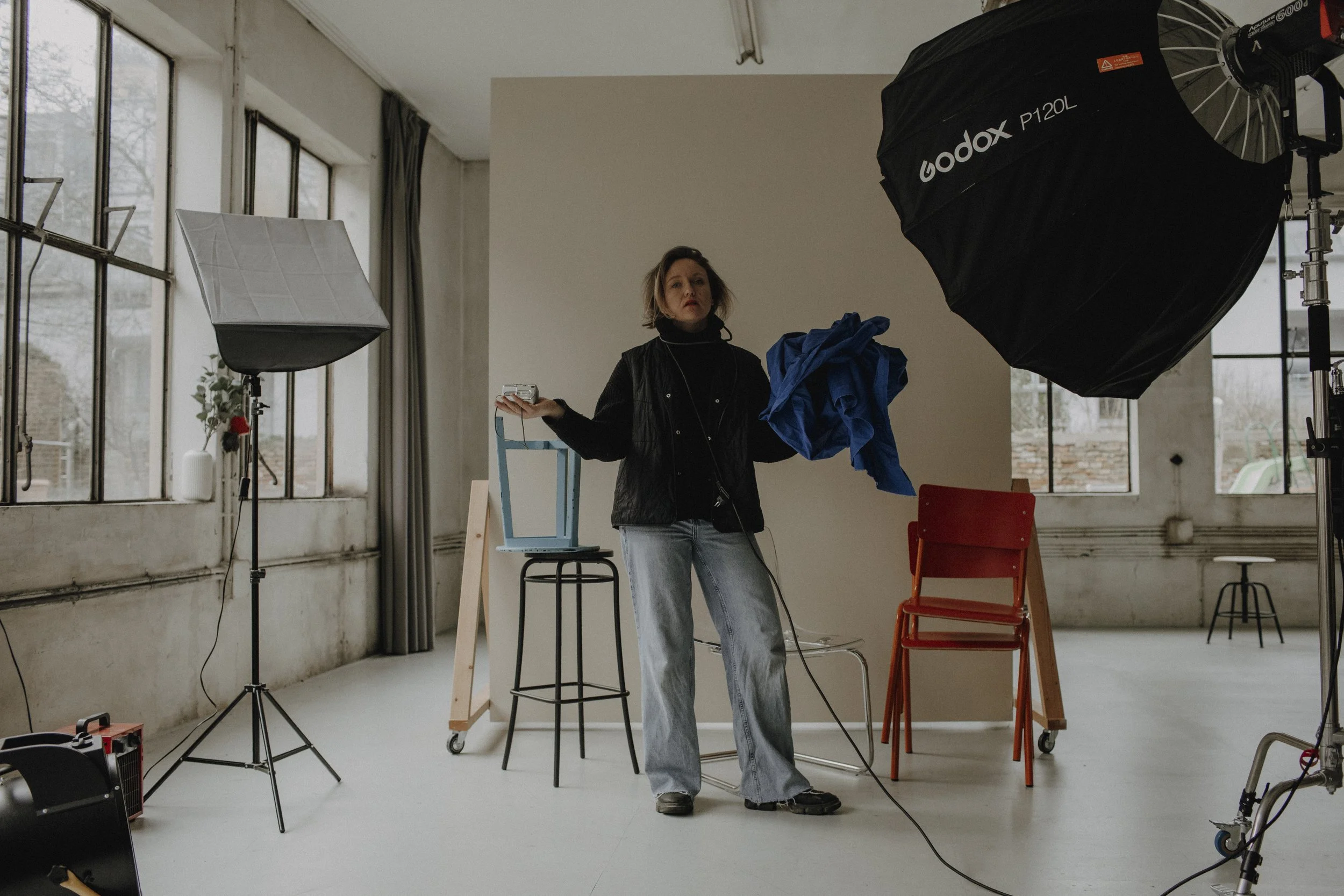
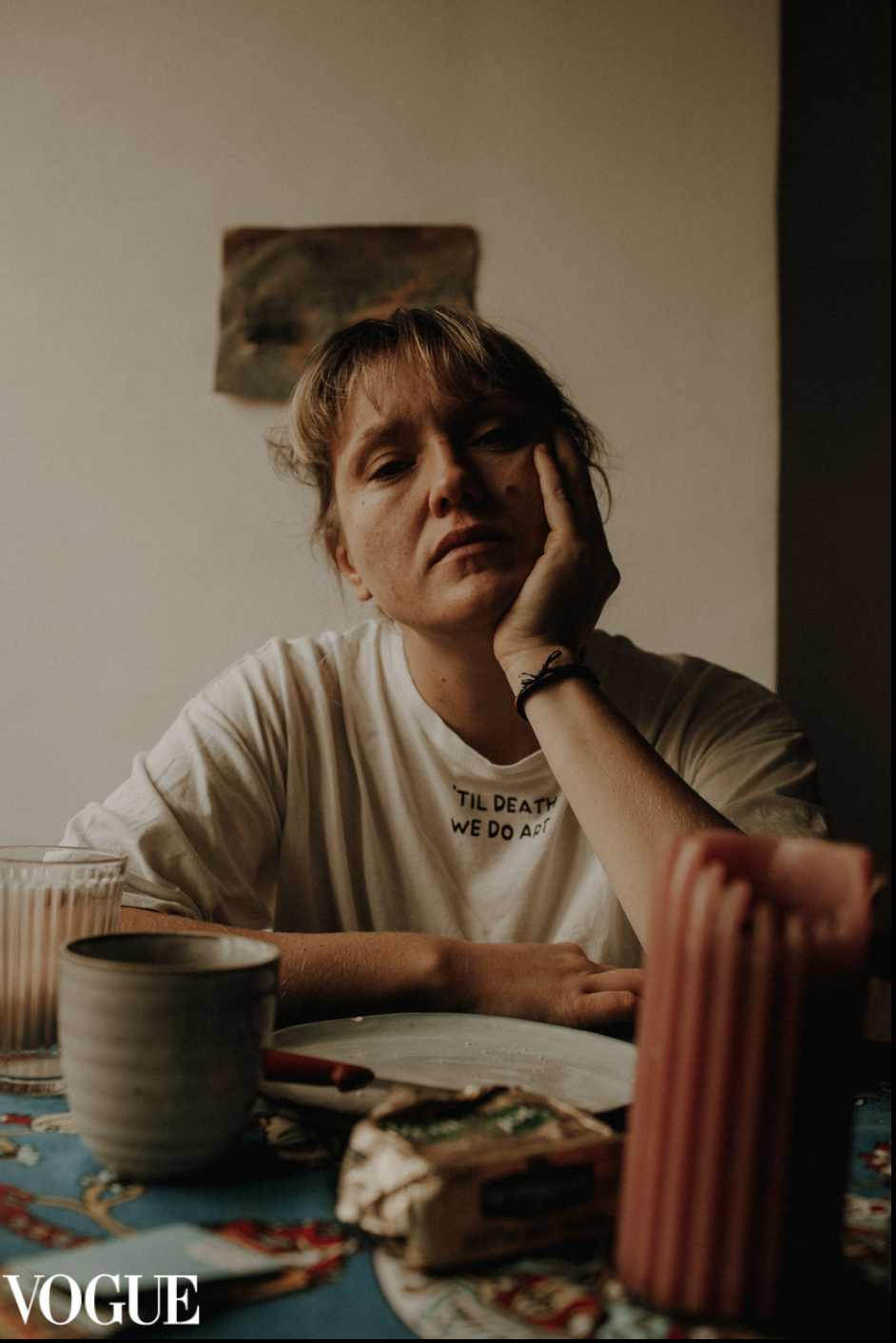
I am interested in how biographical work can generate a particular kind of credibility: it does not tell stories about “the Others,” but arises from one’s own implication and lived experience. I do not understand the self-portrait as a narcissistic gesture, but rather as a critical practice that exposes questions of power: Who is allowed to show themselves? How are identities negotiated? And how can the private be translated into the social?
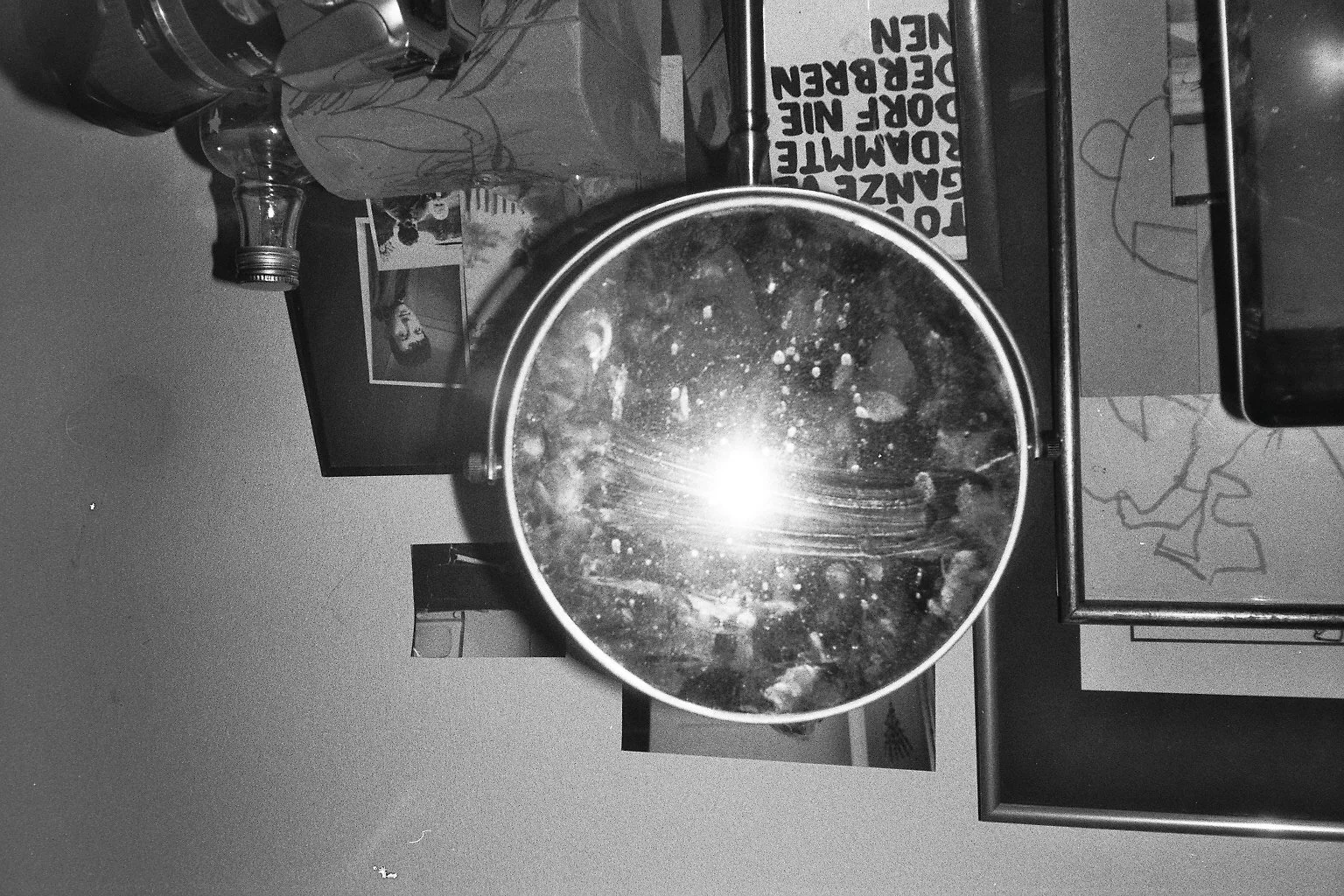
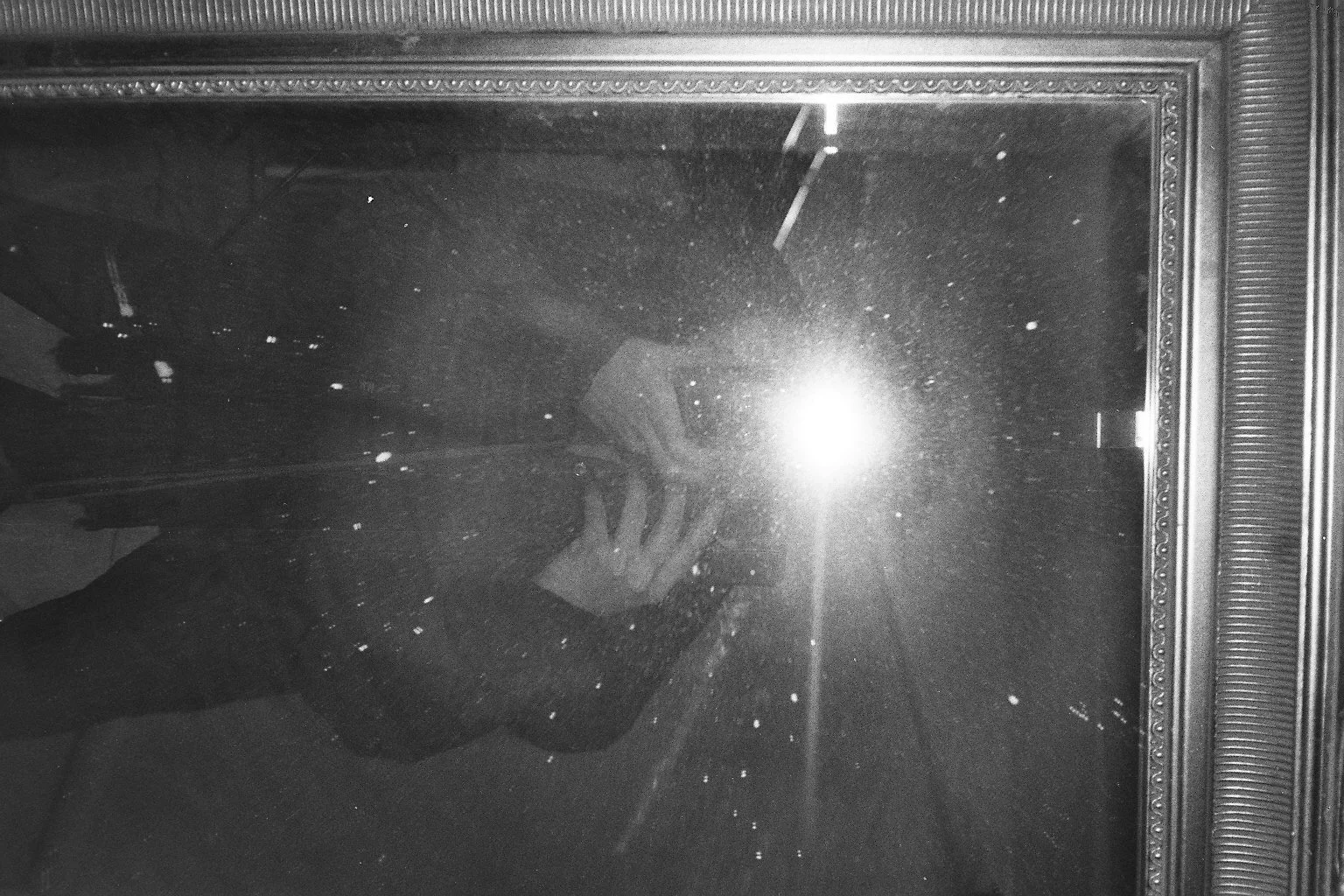
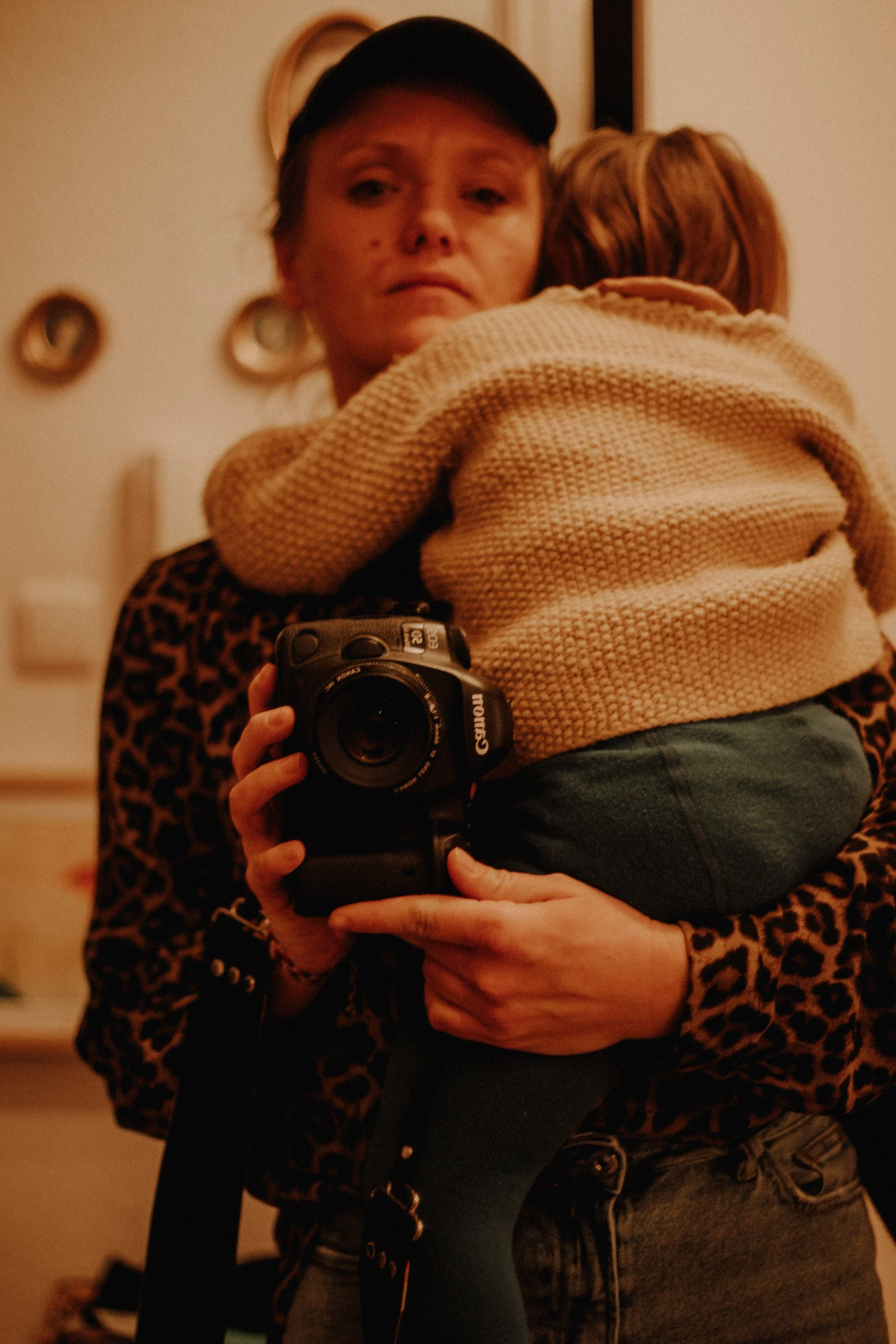
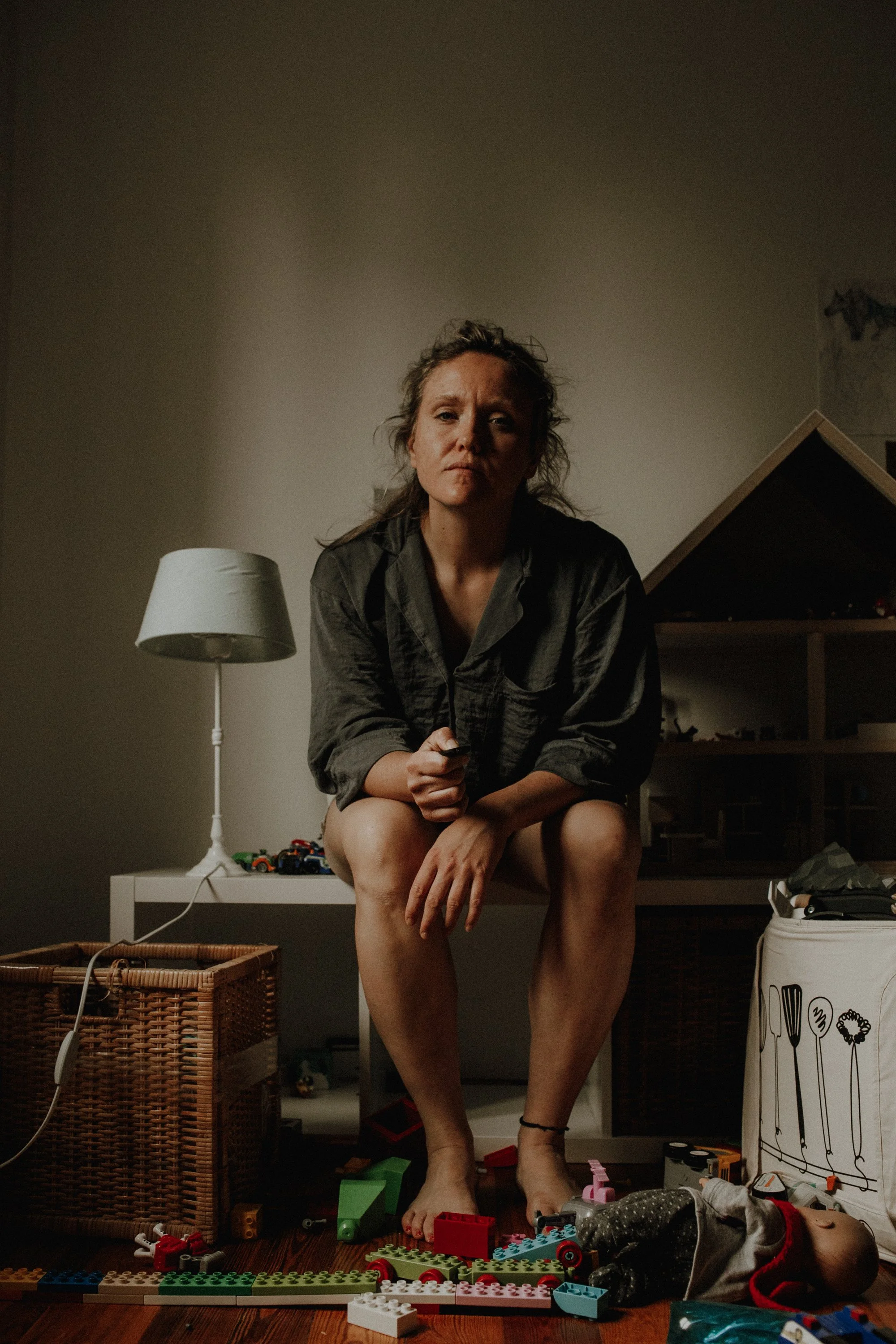
I understand the self-portrait simultaneously as Advocacy (it creates visibility), Testimony (it bears witness to one’s own position), and Intervention (it breaks with classical documentary forms). Thus, the self-portrait becomes not only an autobiographical image, but a social resonance space – a place where questions are raised, where identity appears as process, and where the private shifts into the collective.
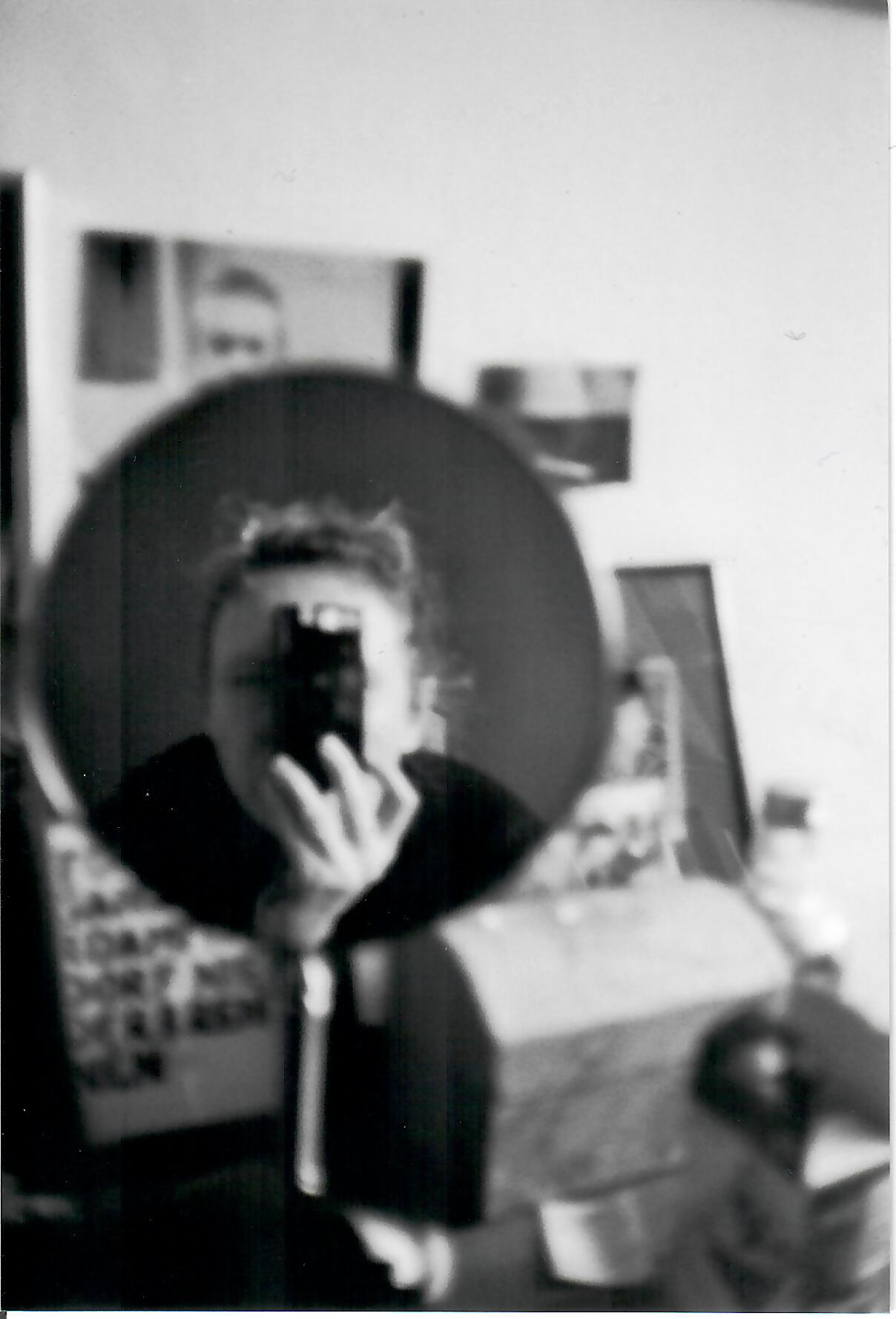
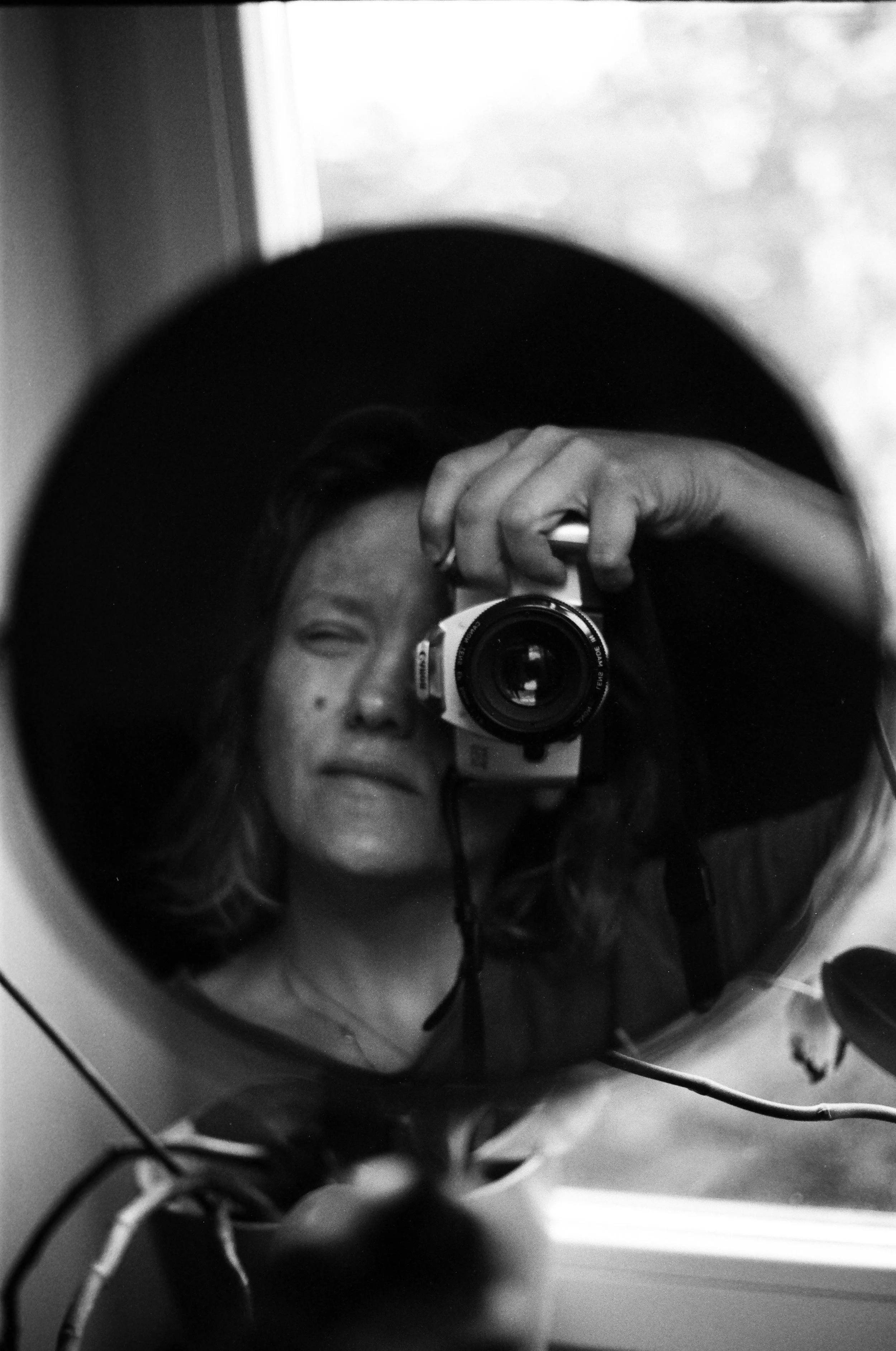
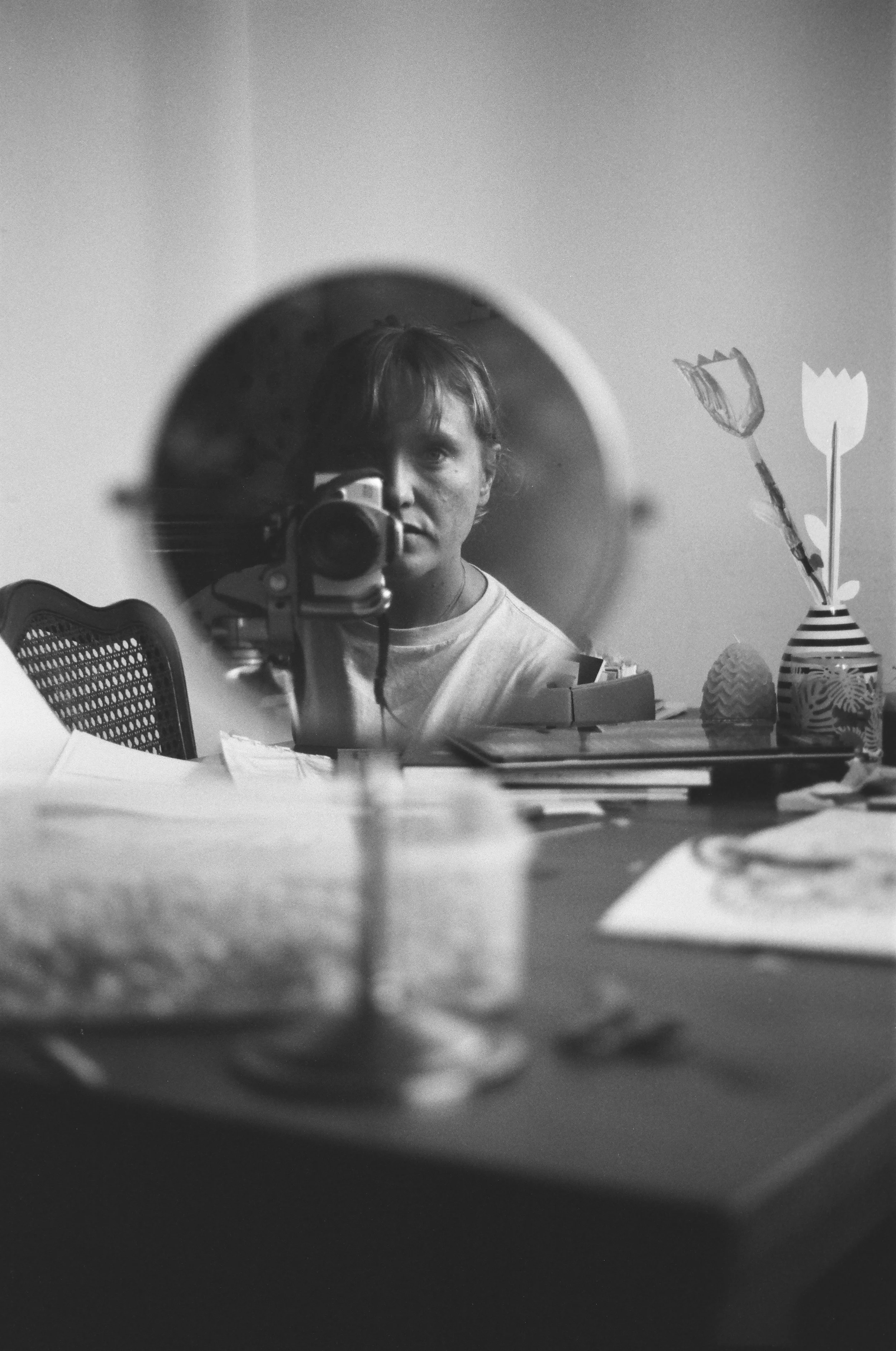
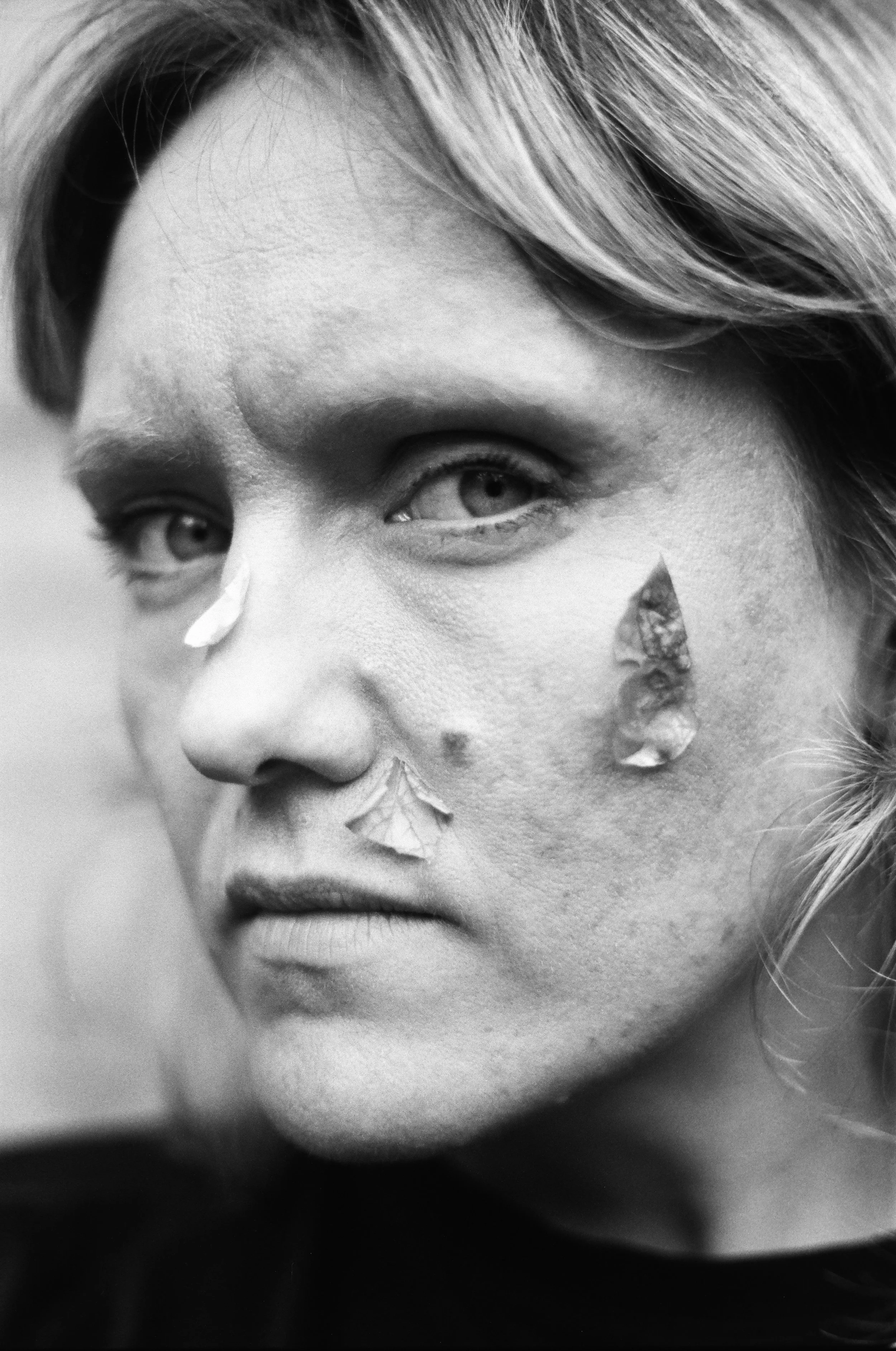
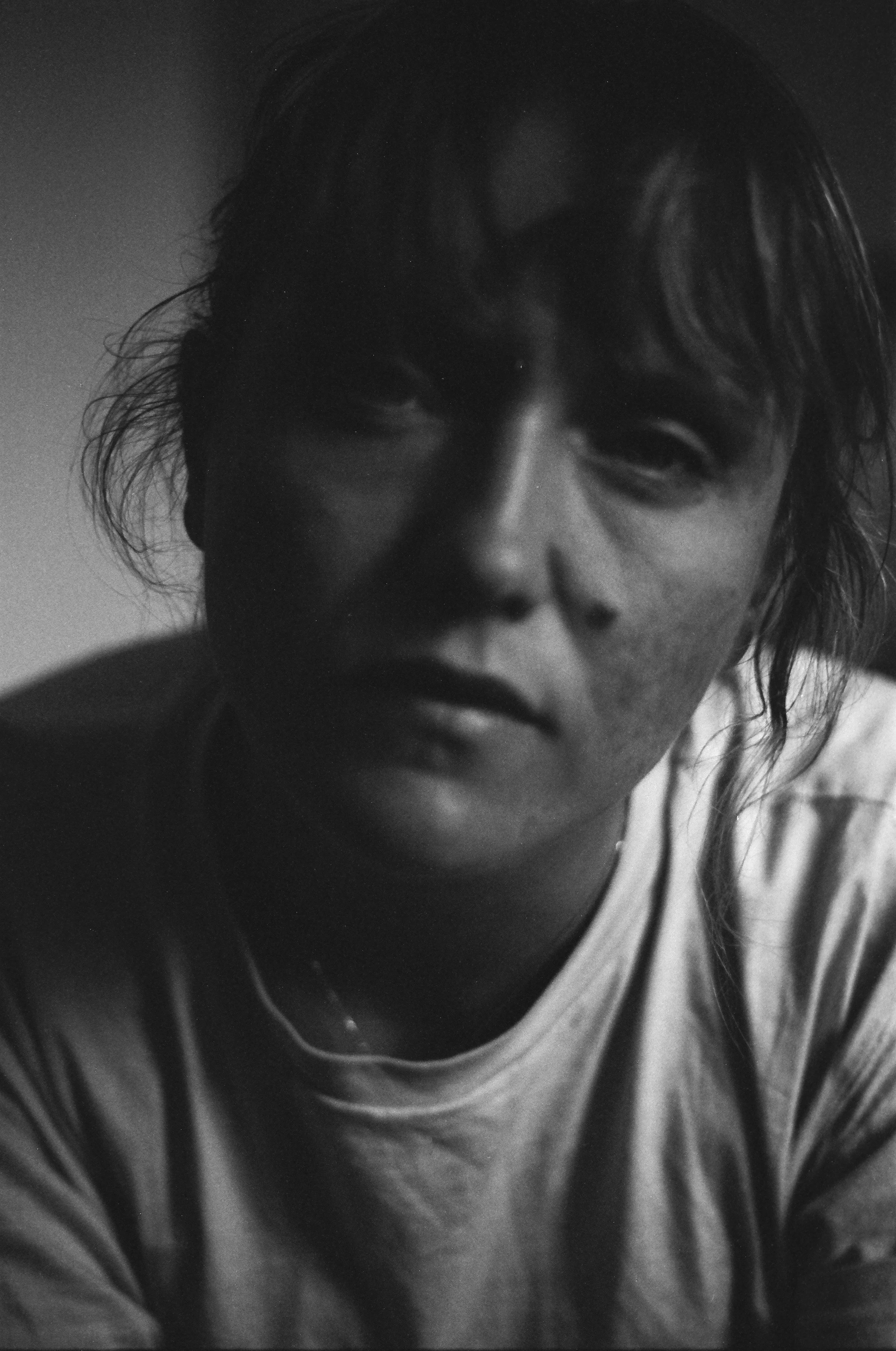
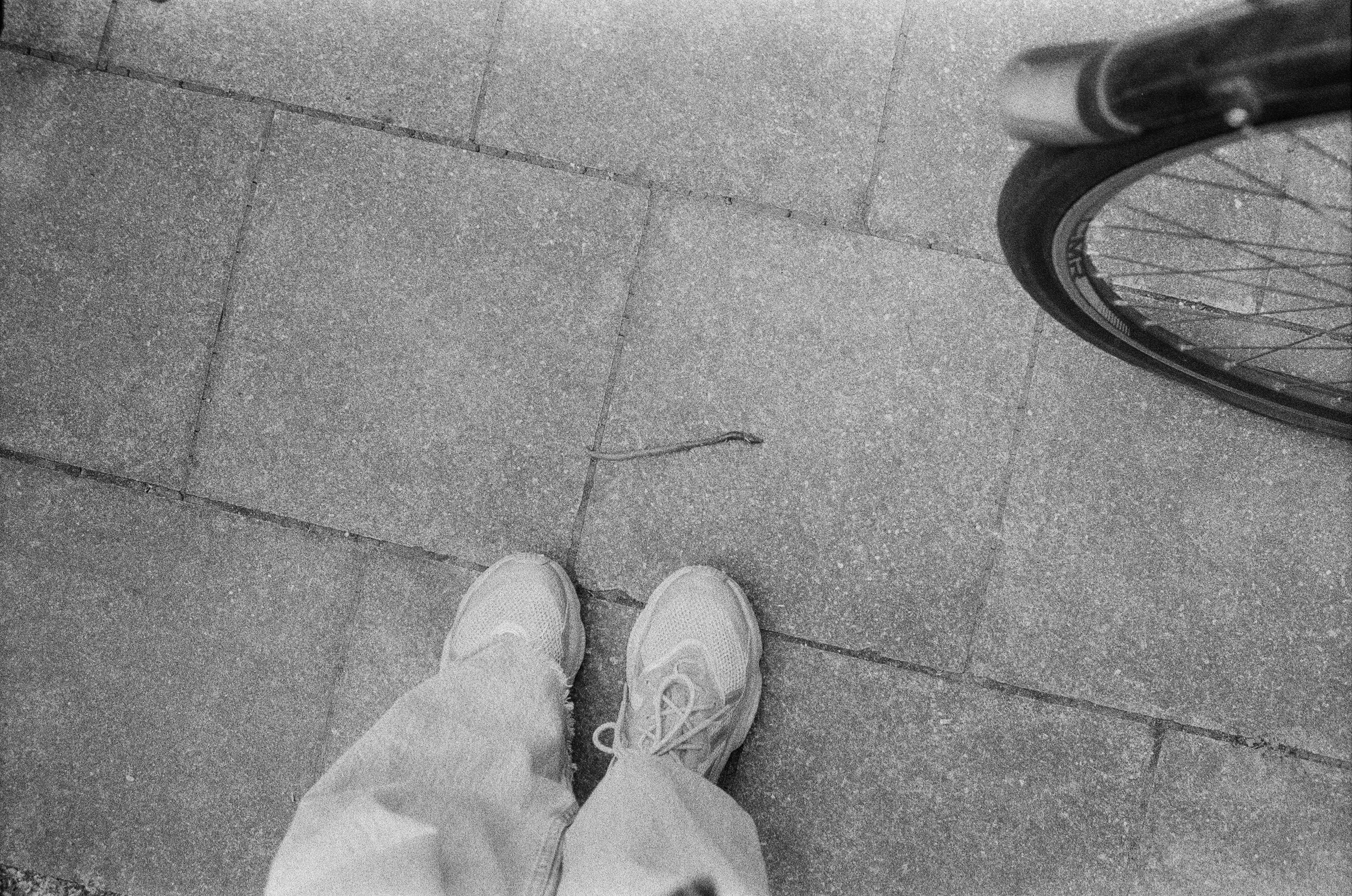
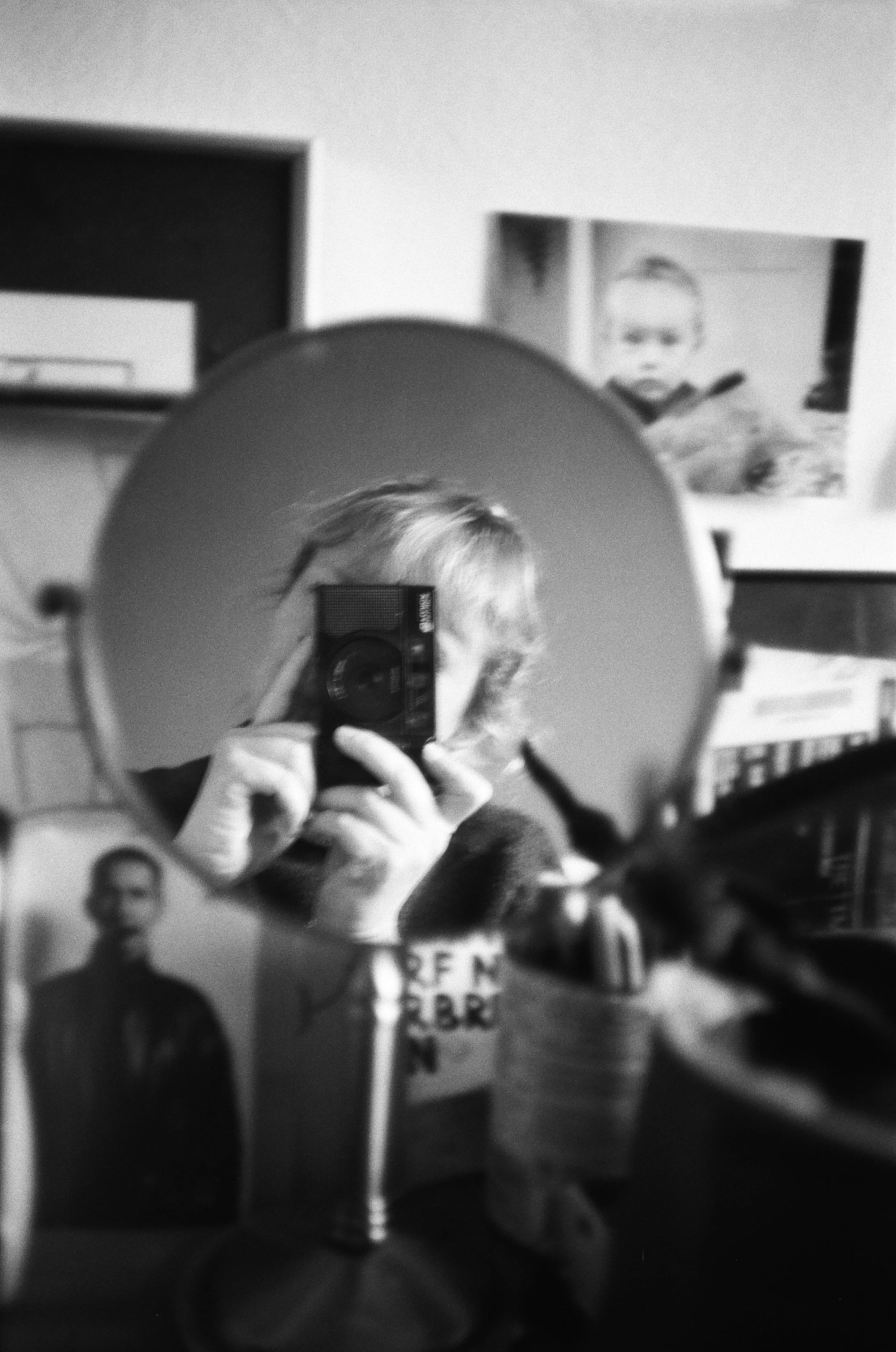

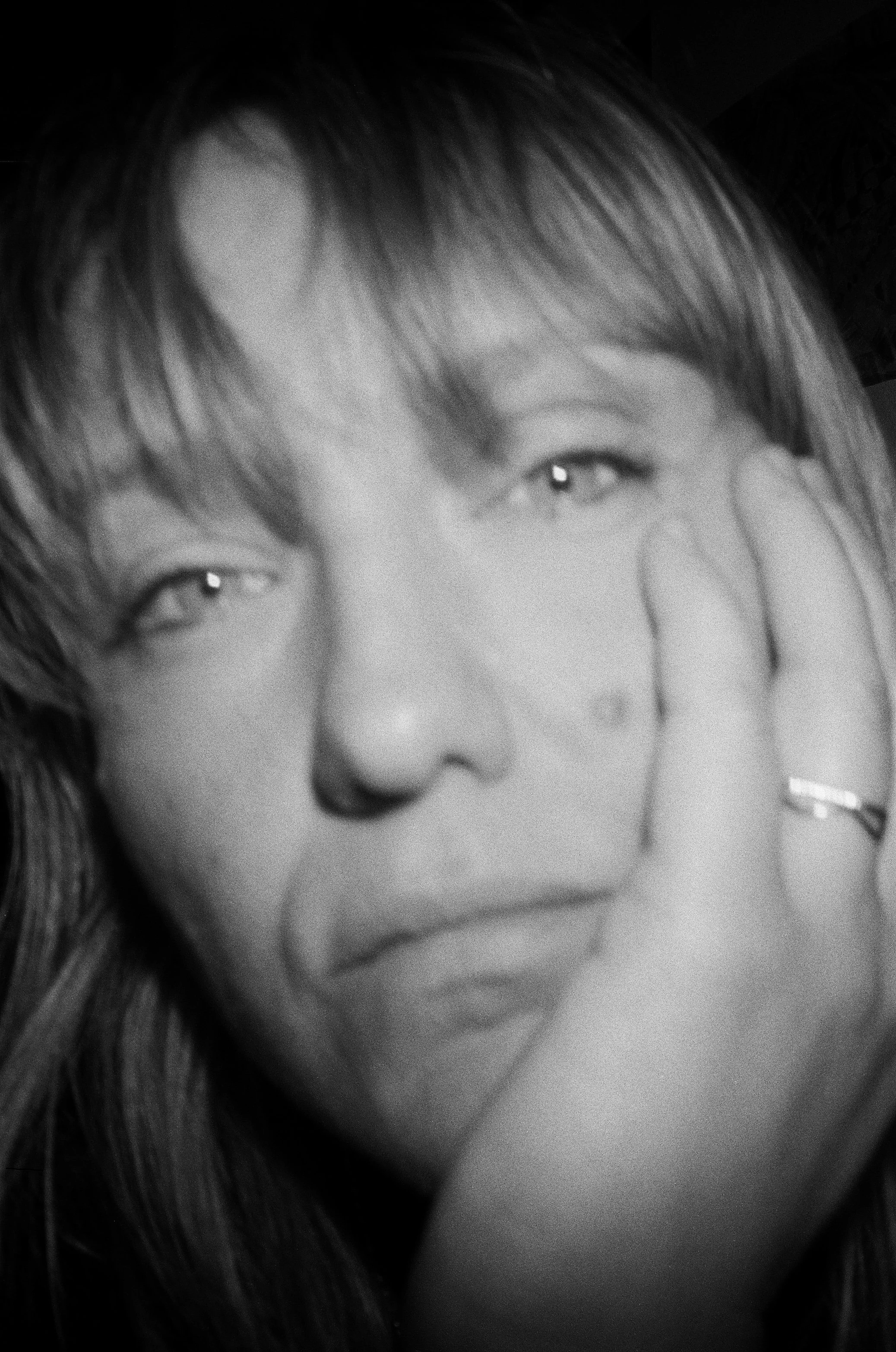
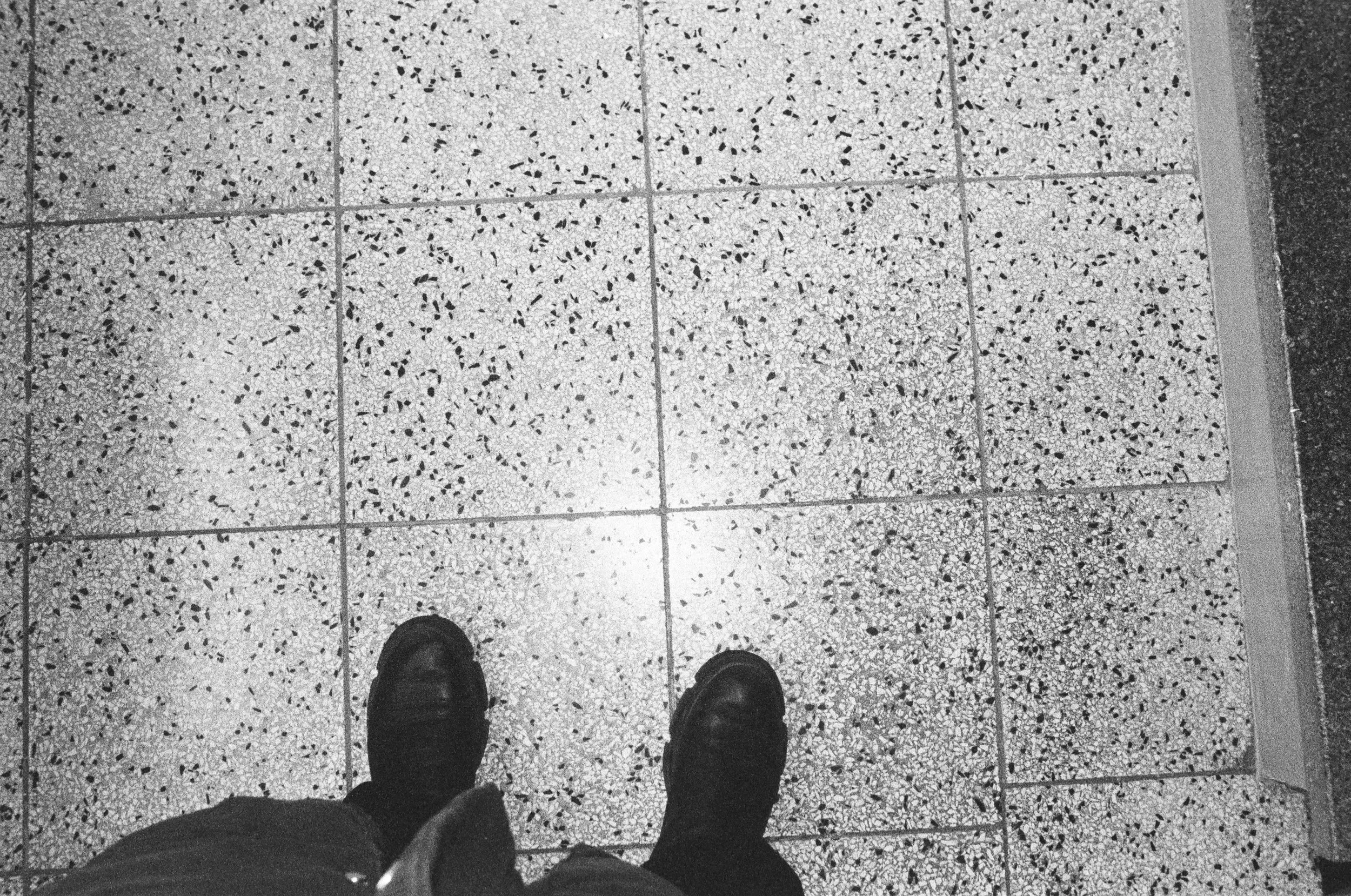
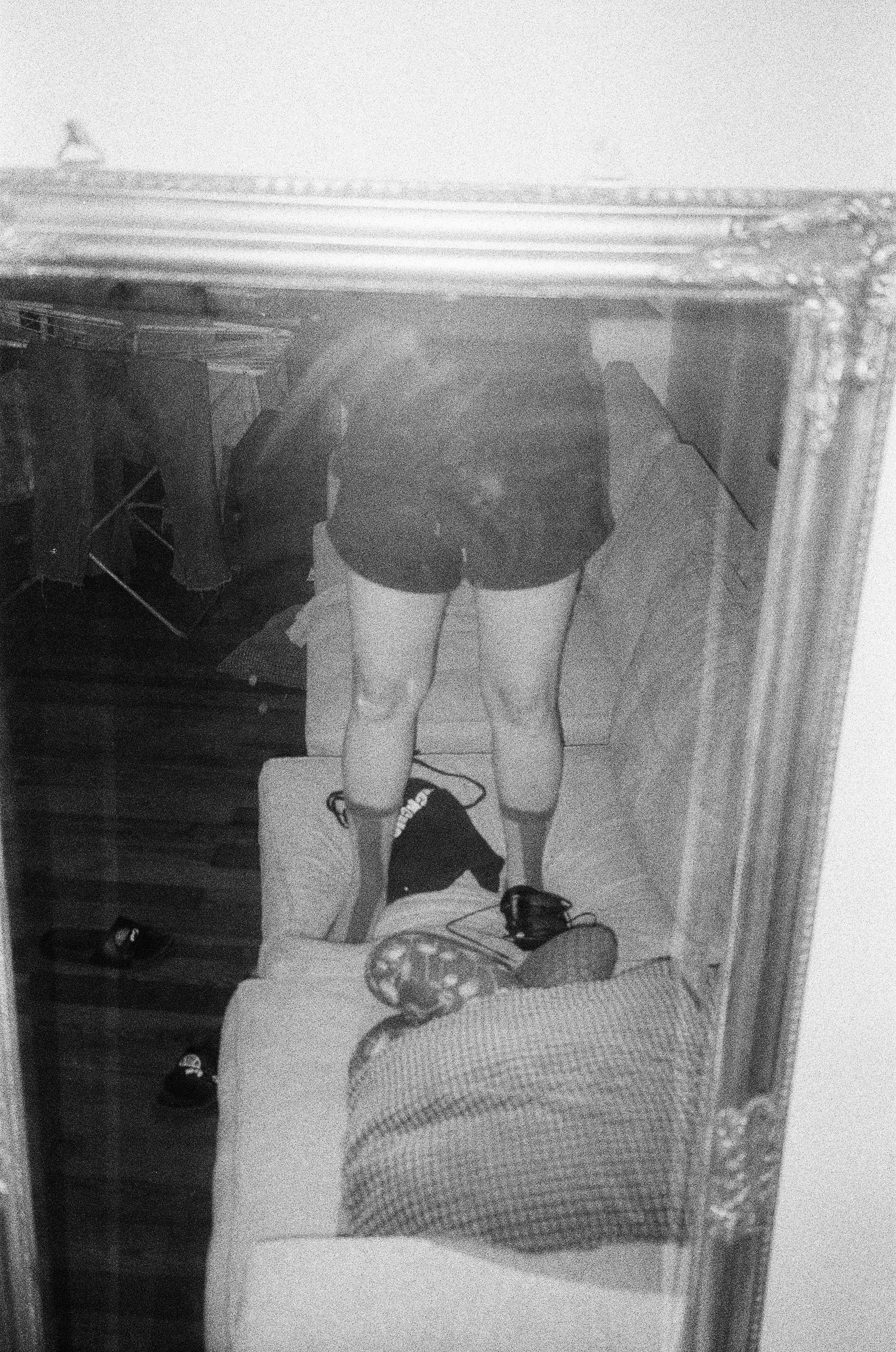
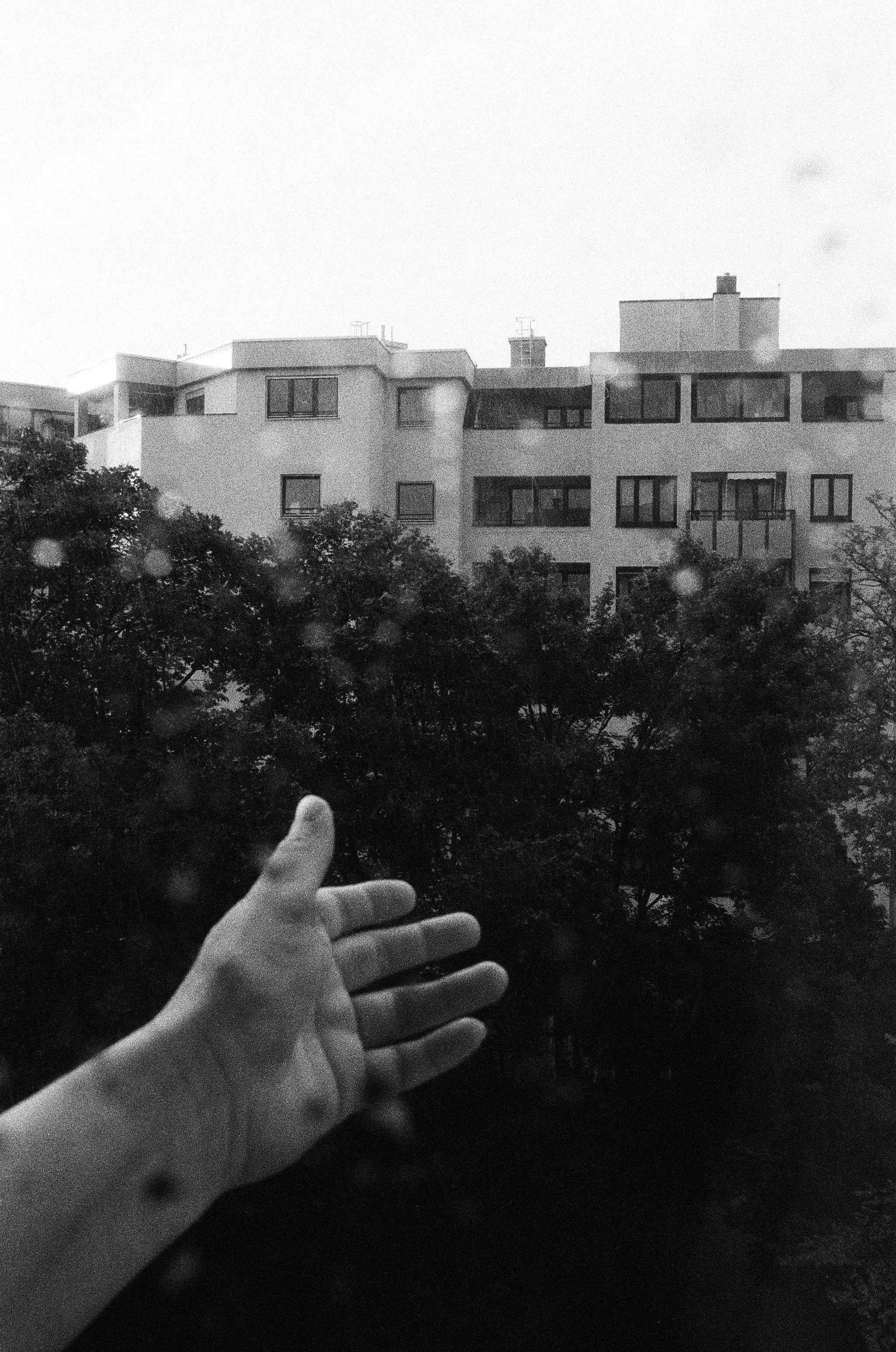
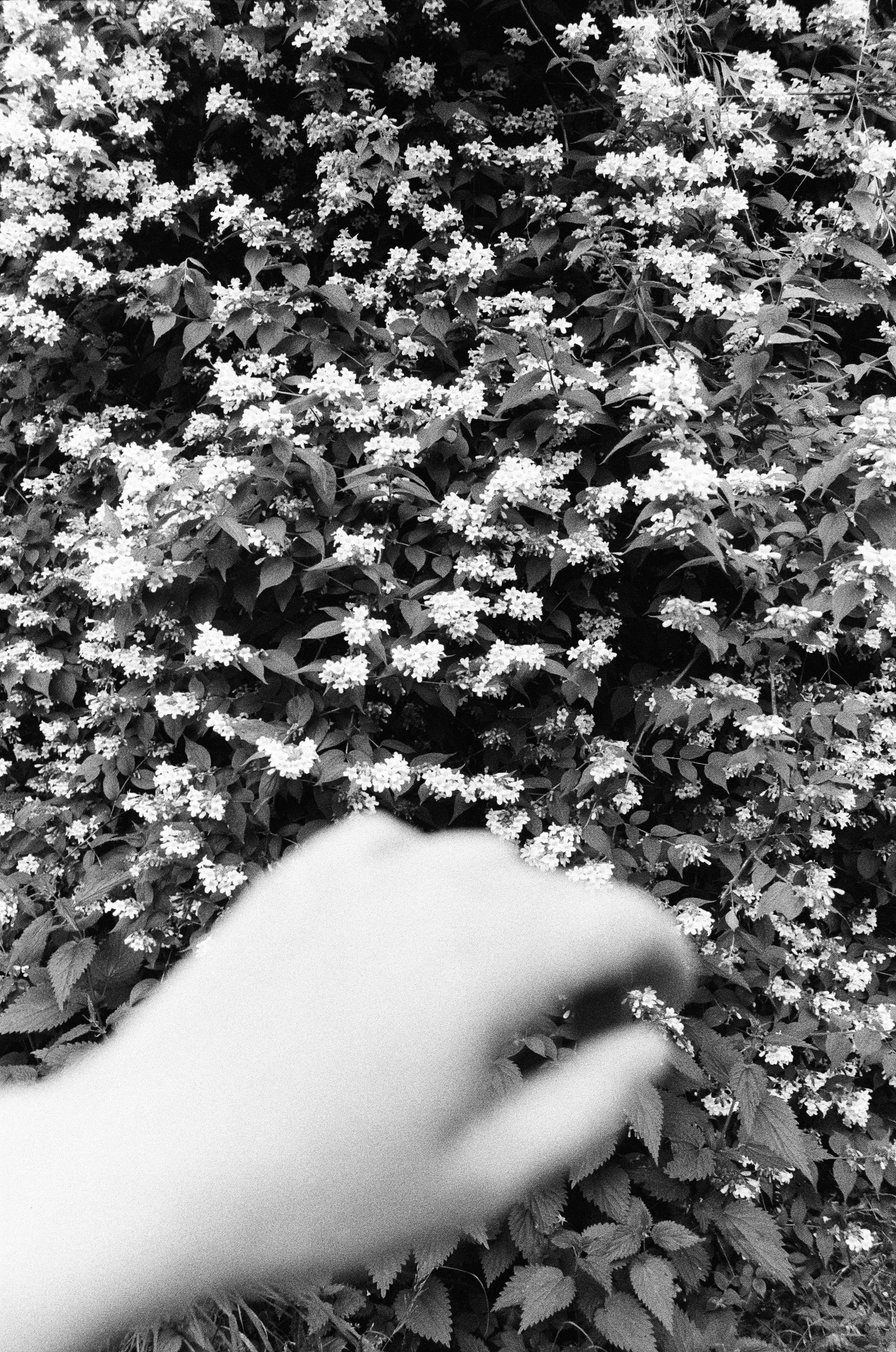
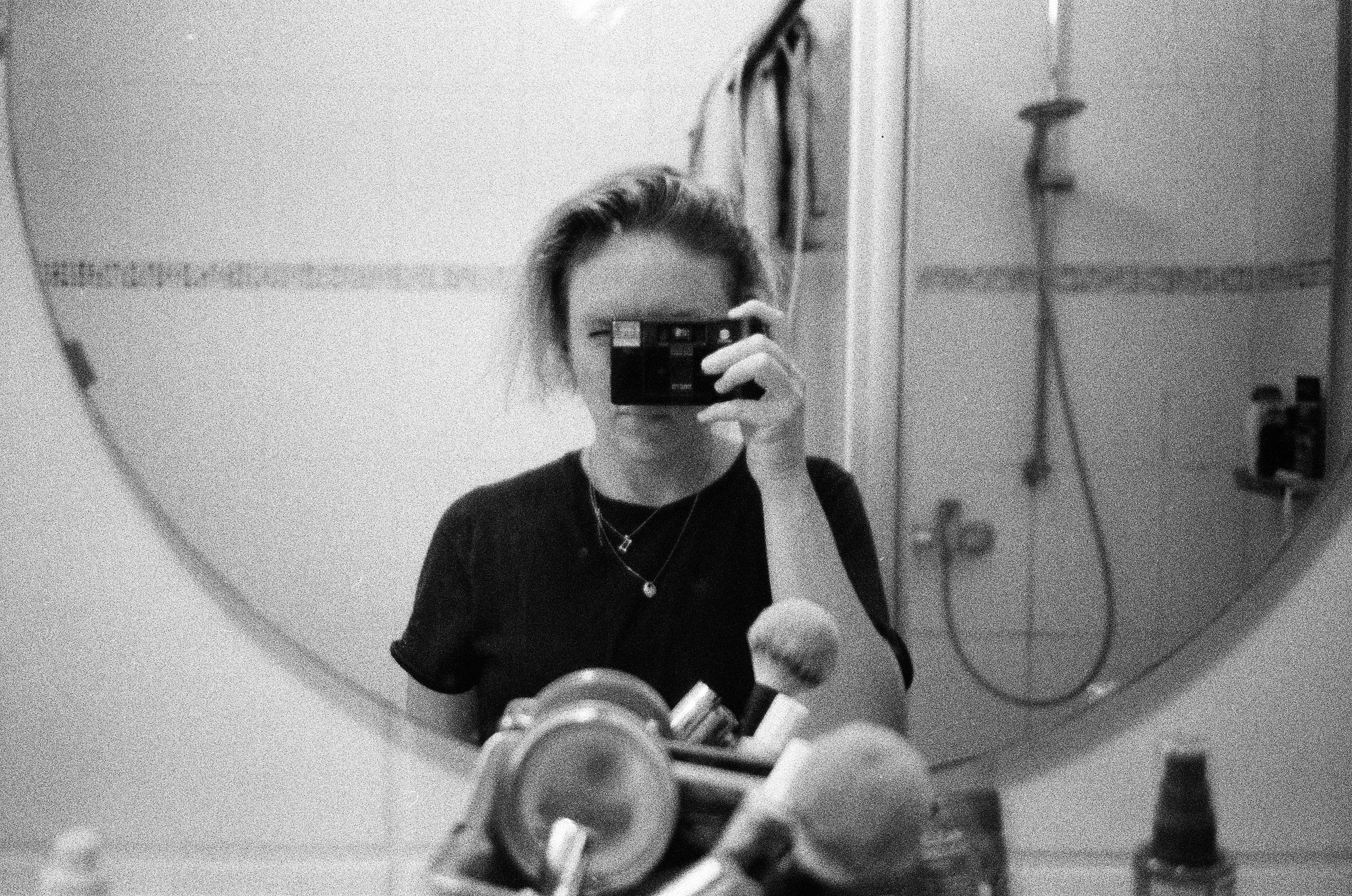
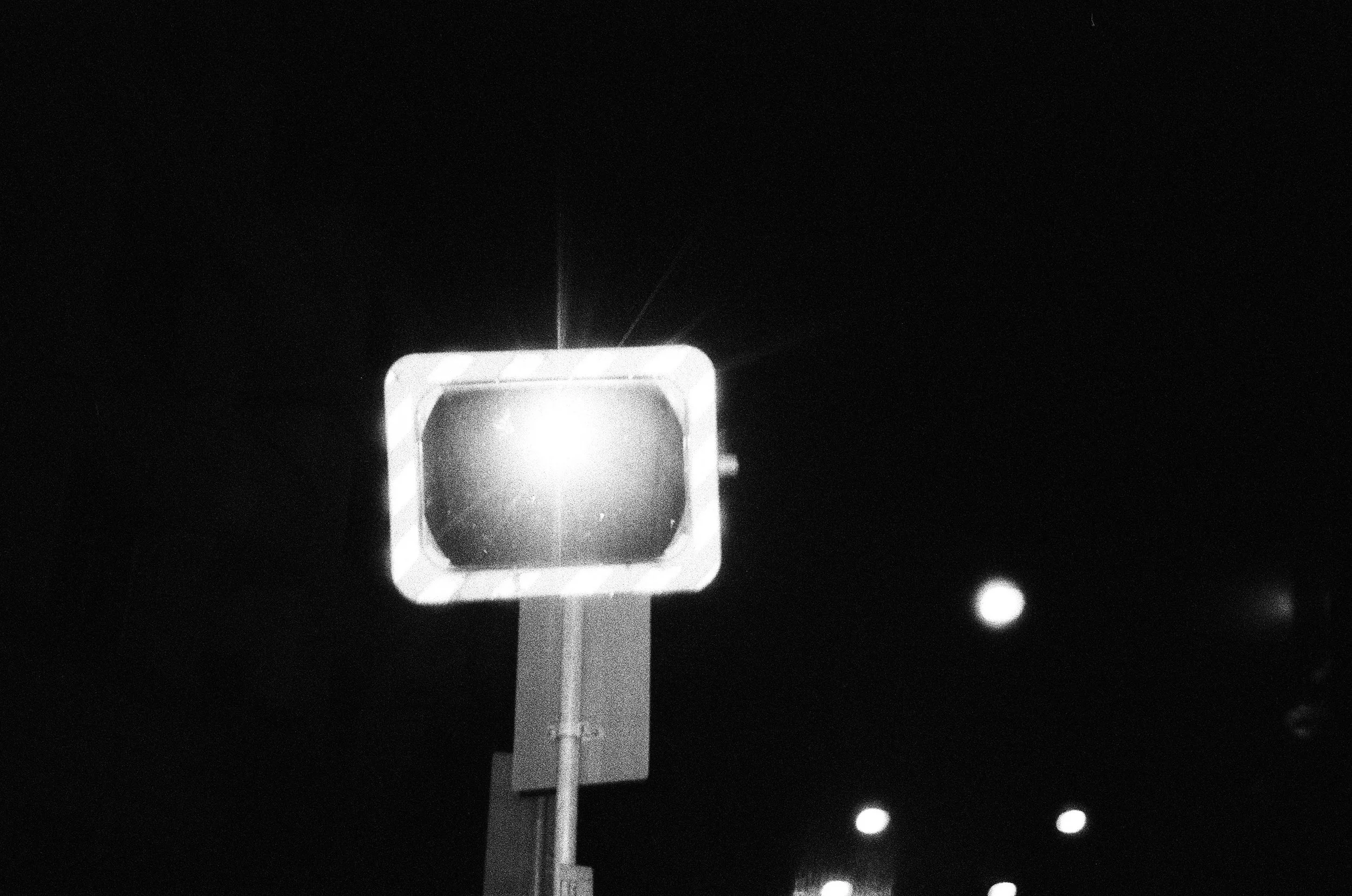
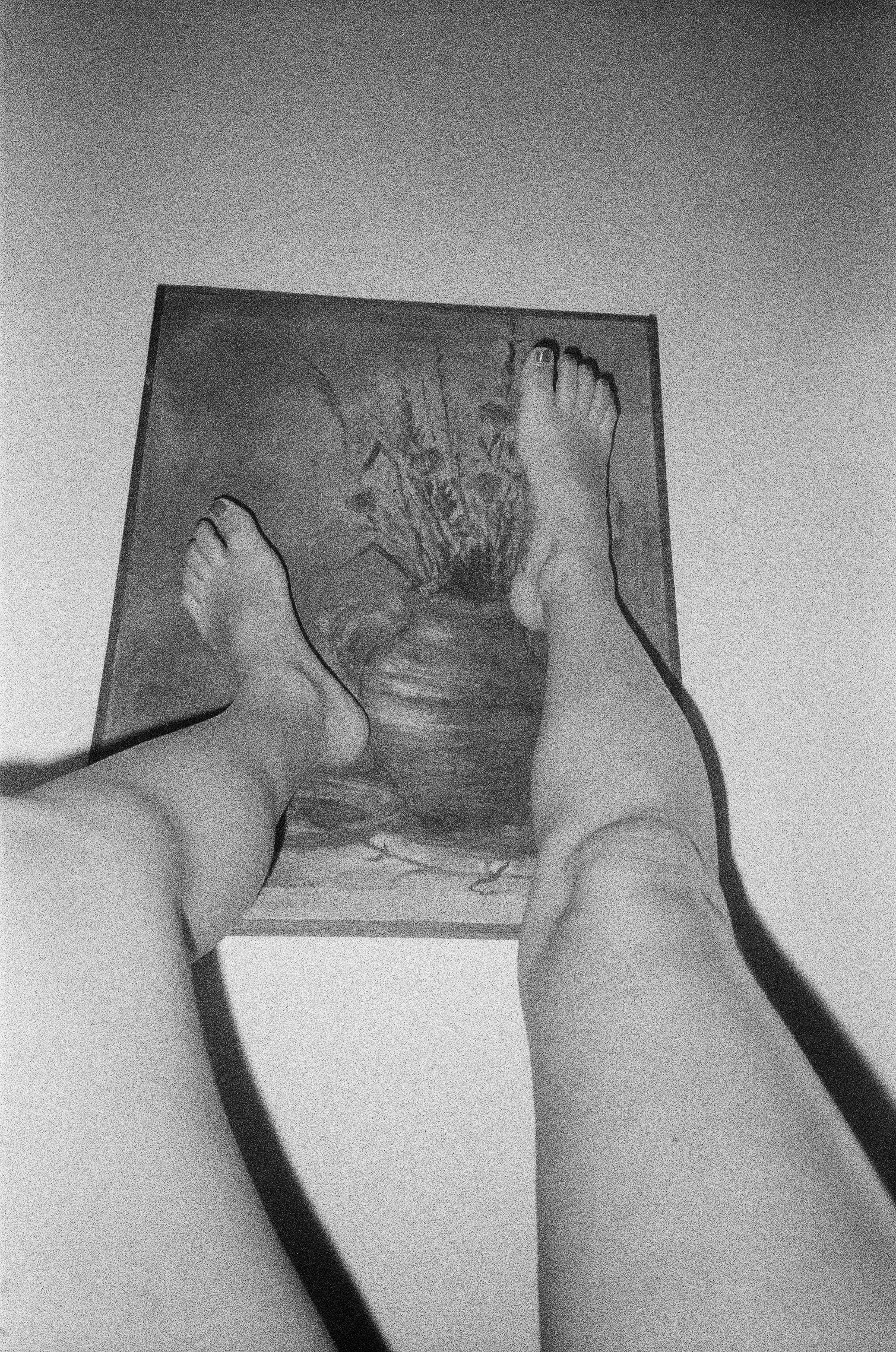
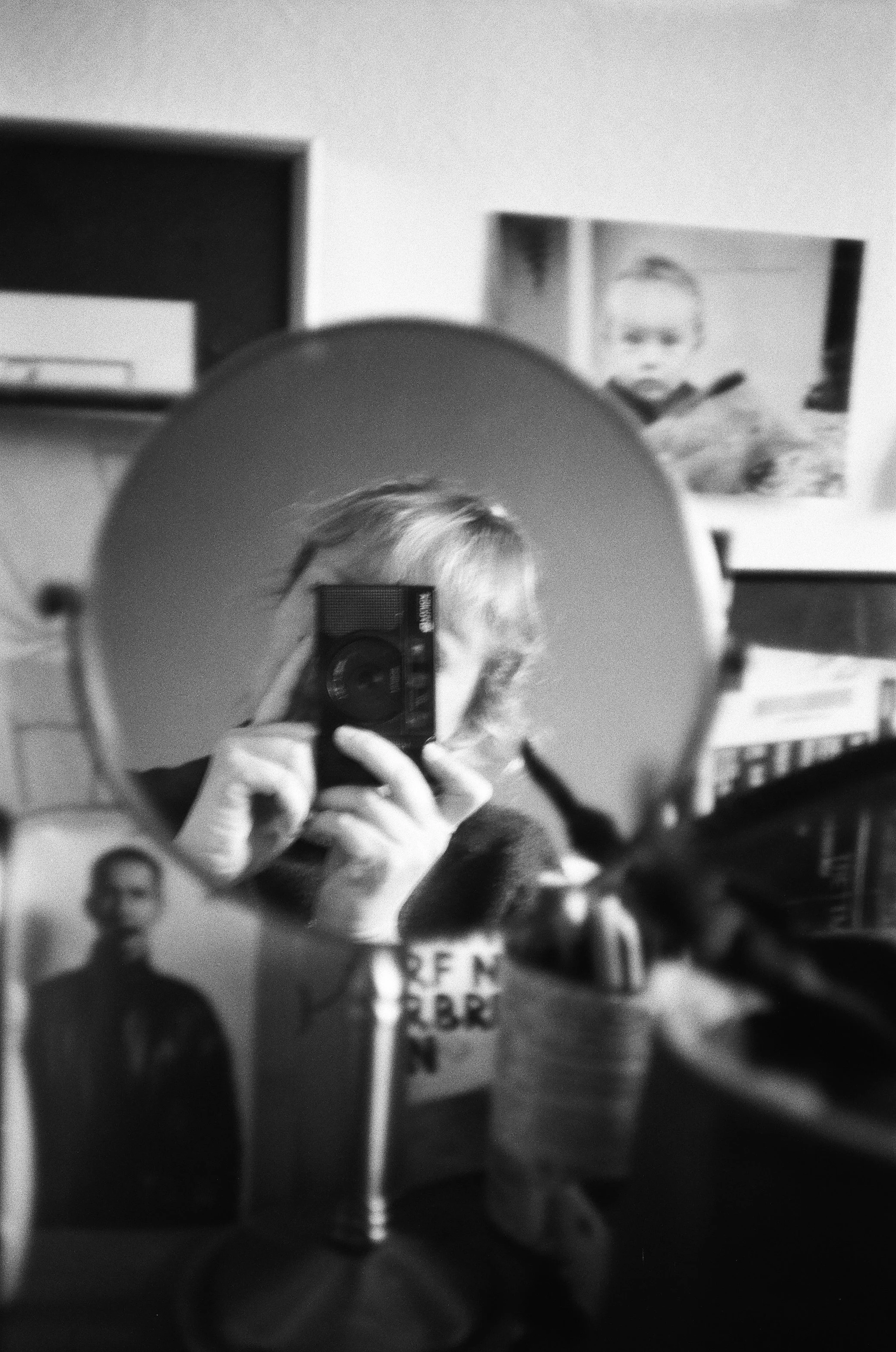
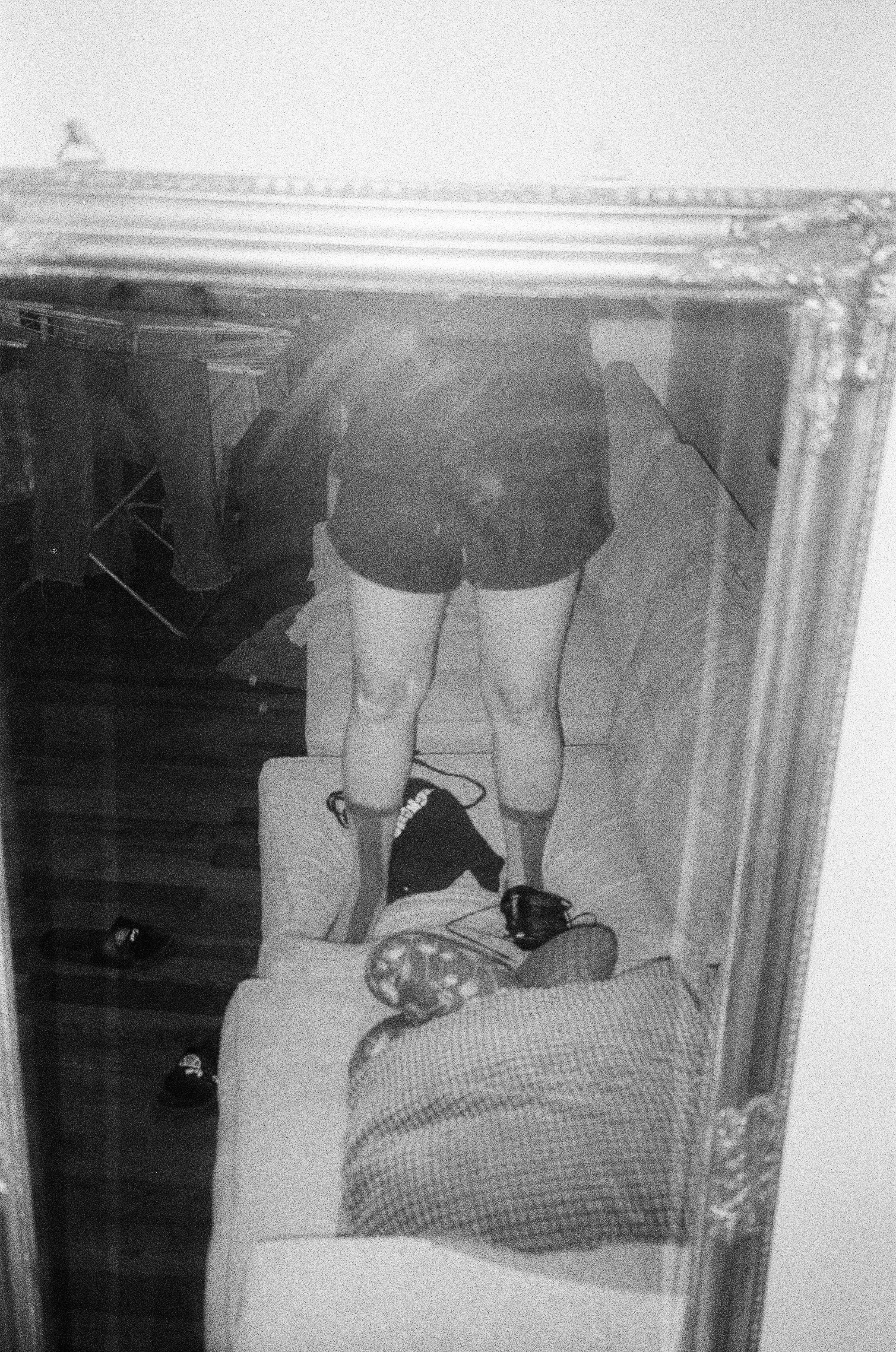
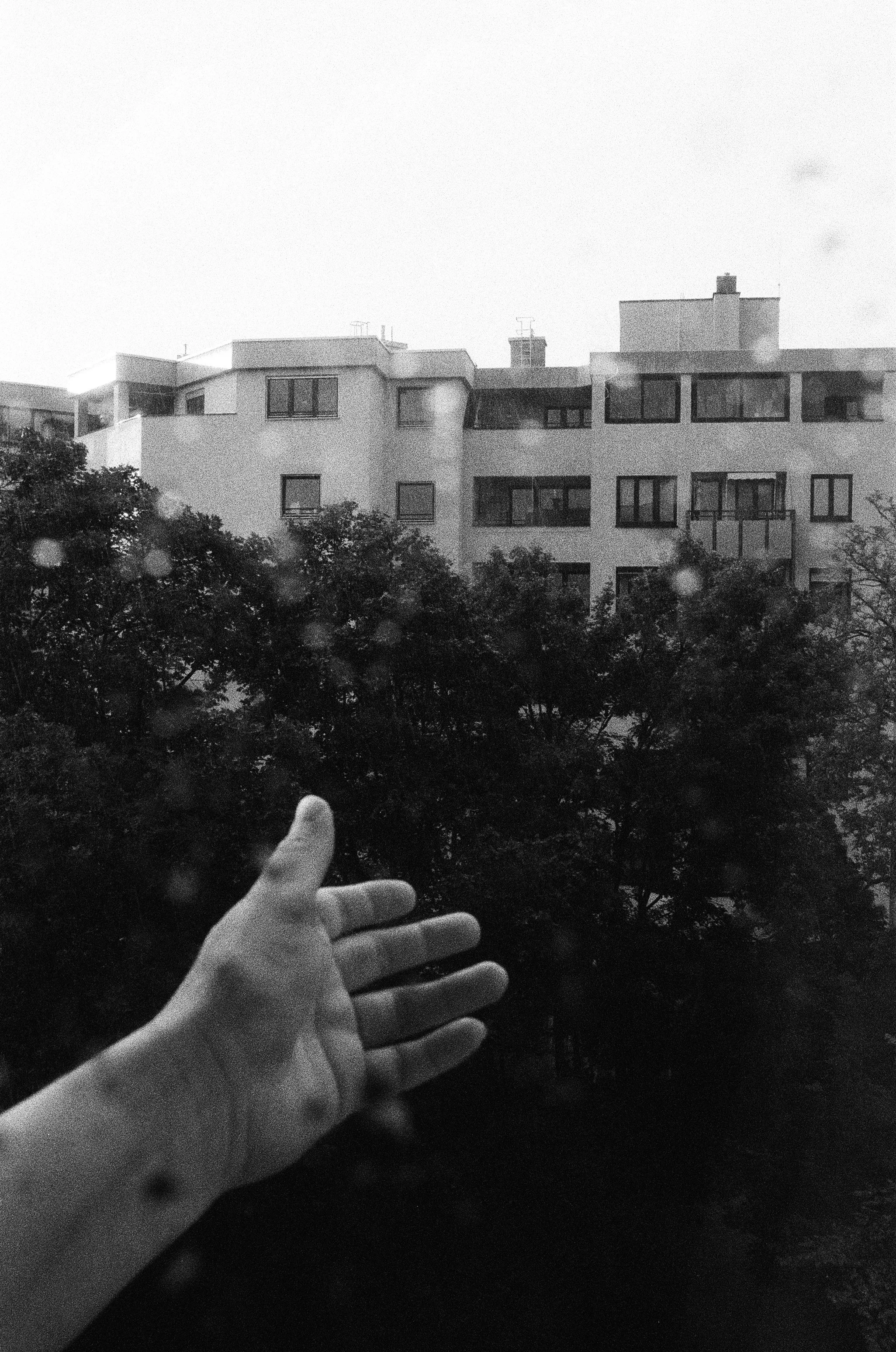
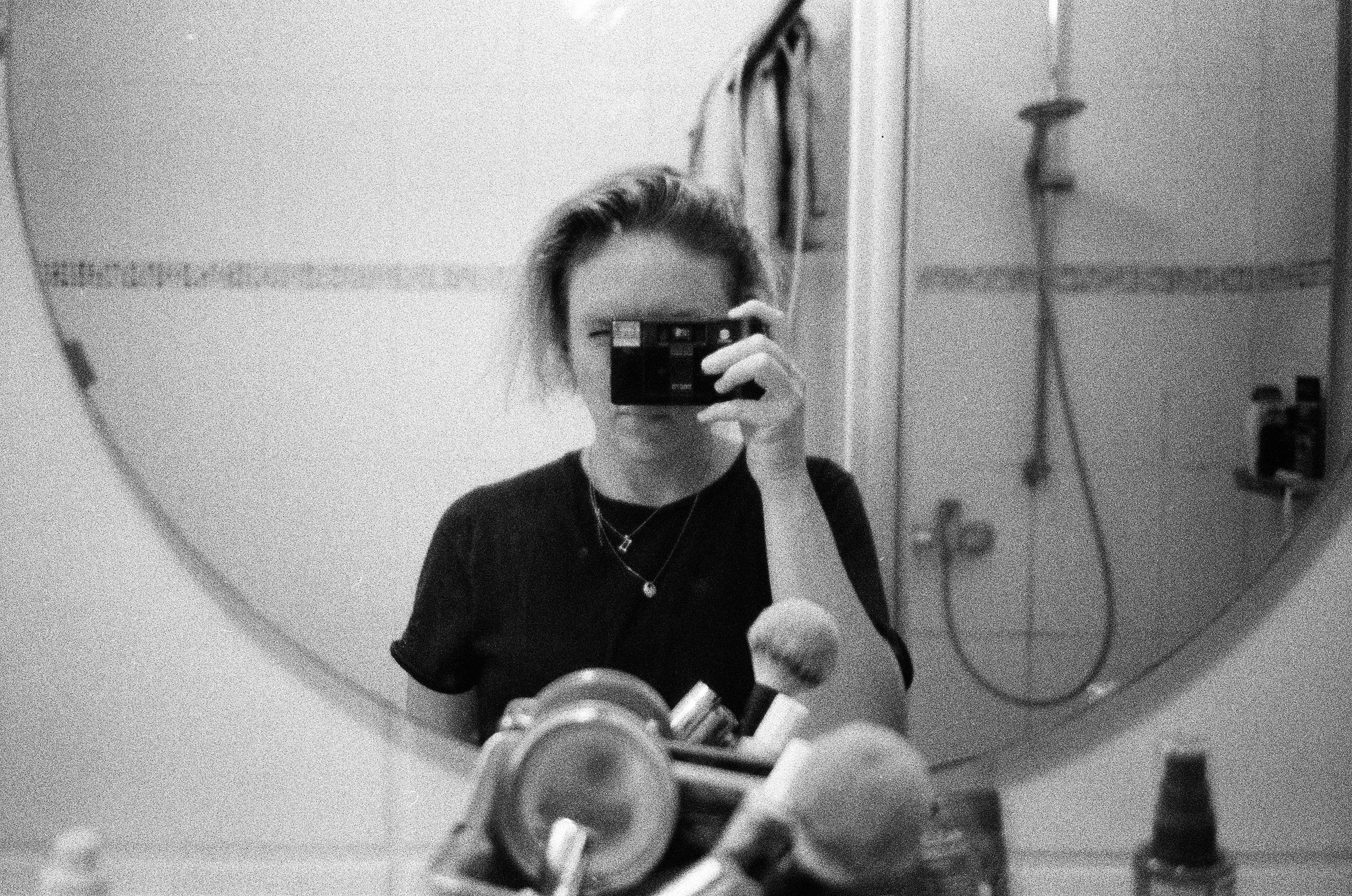
“Biographical work is maybe not ‘truer’ in the sense of being more objective, but ‘truer’ in the sense of being more immediate.”
It is not self-representation in the narrow sense, but an open, critical practice: an attempt to tell one’s own story as a social document while simultaneously questioning it; an attempt to create spaces of resonance in which others can recognize their own experiences. Thus, the self-portrait becomes more than just an image: it becomes a space where questions can be asked, where identity becomes visible as a process, and where the private is translated into the social. What role does biographical work play in the practice of an artist, and how important is the act of engaging with it?
Biographical work is maybe not “truer” in the sense of being more objective, but “truer” in the sense of being more immediate. It abandons the distance and objectivity so often emphasized in classical documentary practice, and instead makes one’s own position, one’s own entanglements, fractures, and contradictions visible. In a time when “objectivity” in the media is increasingly being questioned, this very commitment to subjectivity can constitute a particular form of authenticity and critical practice.
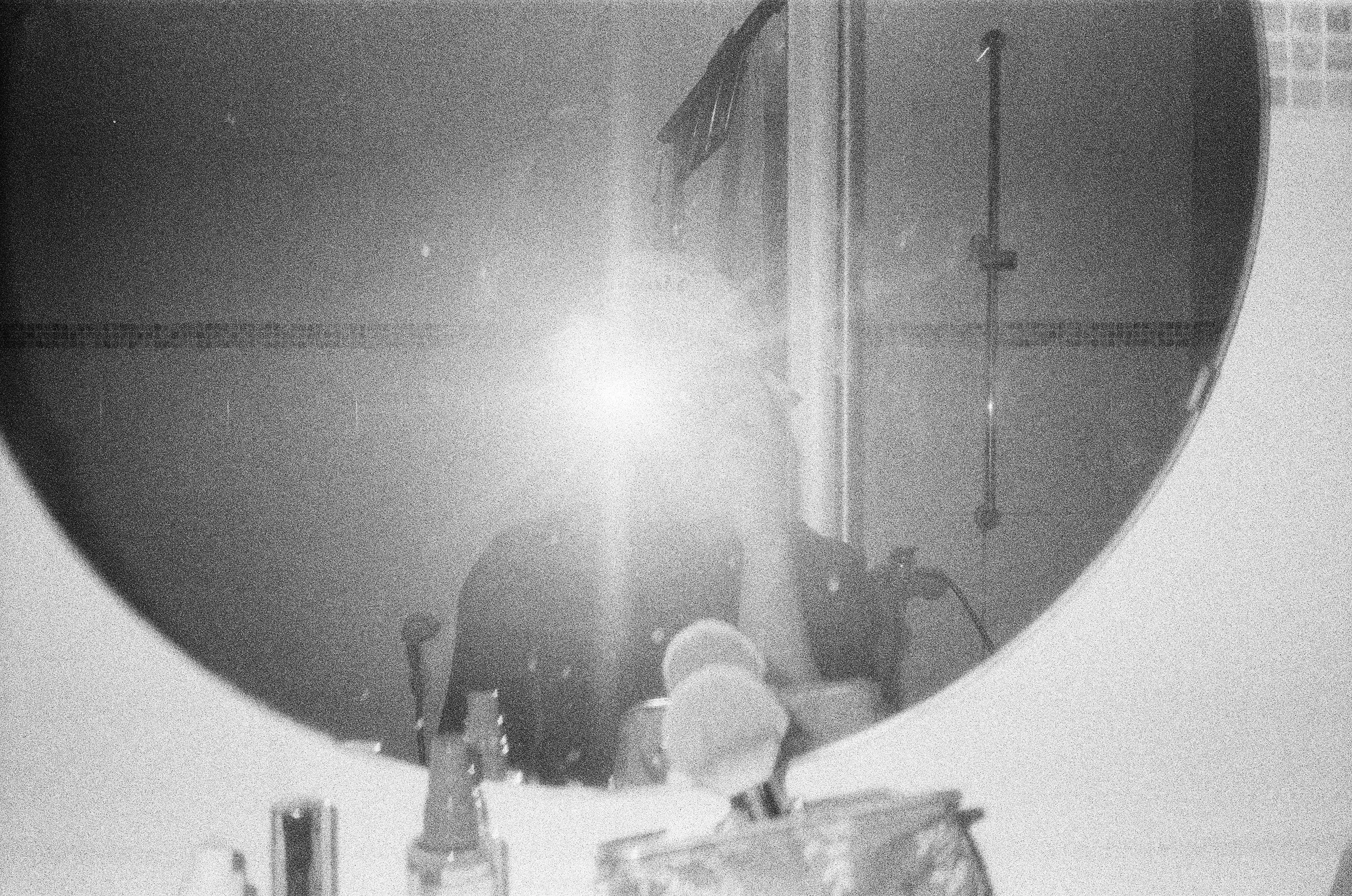
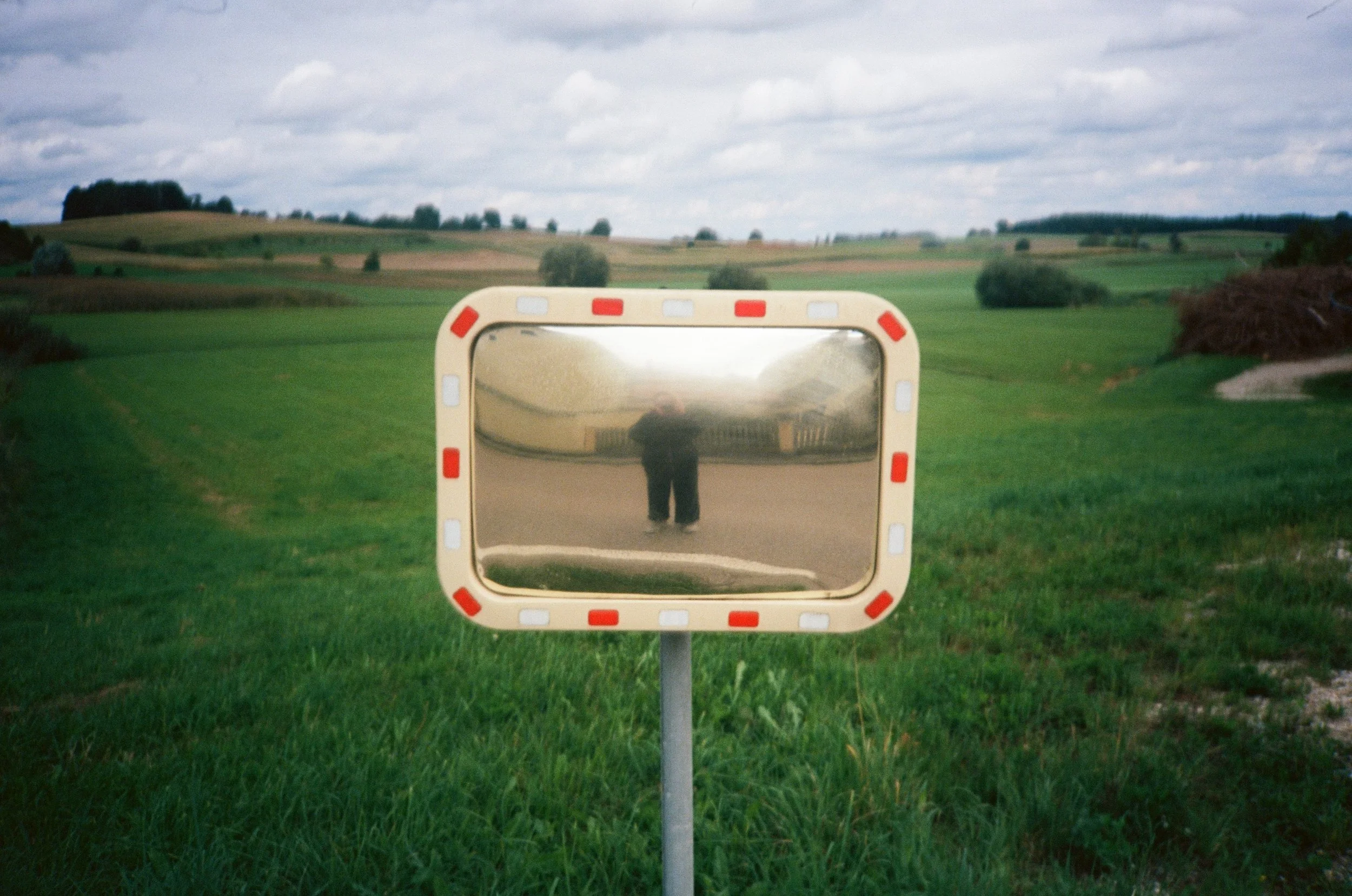

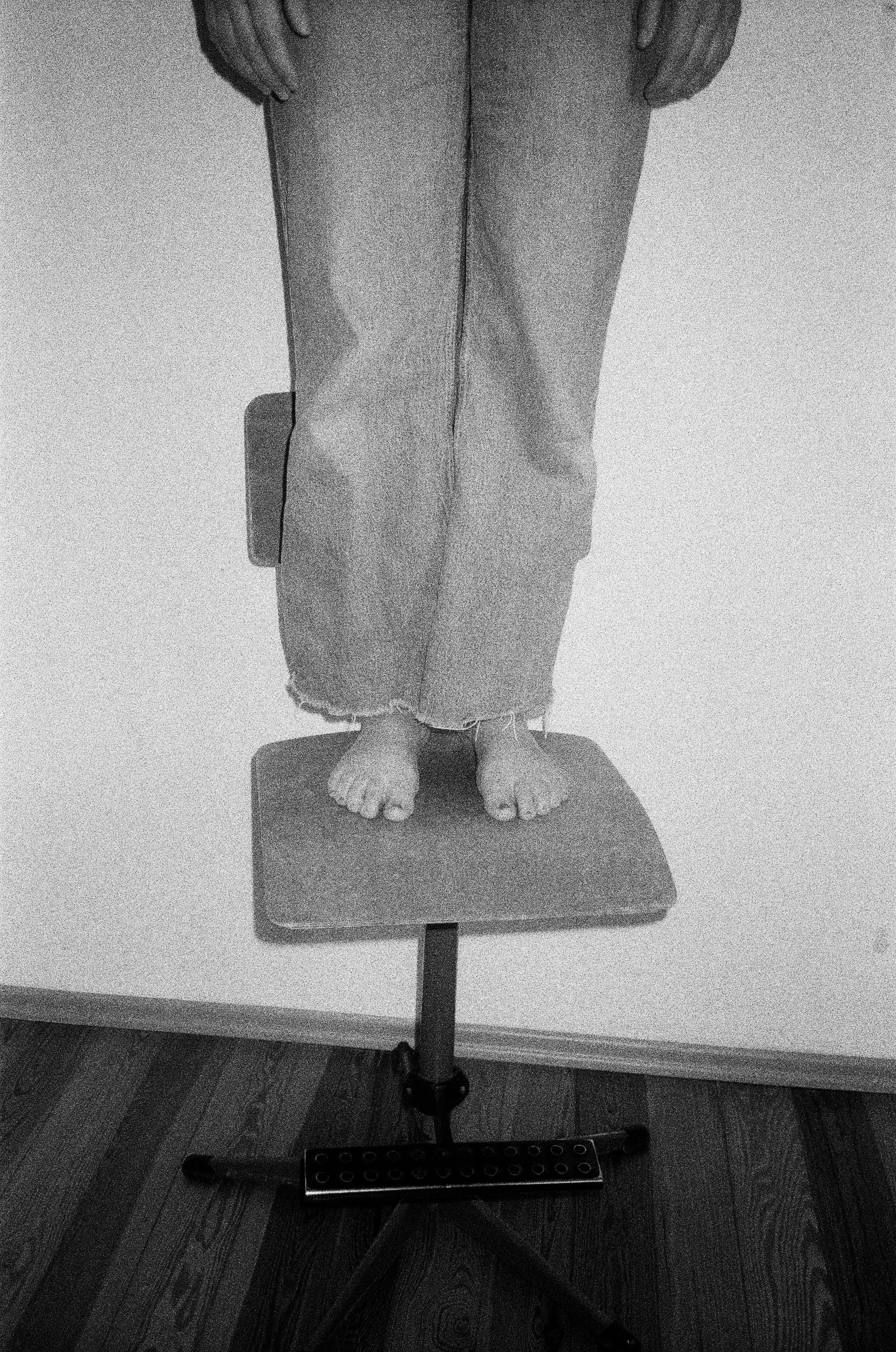
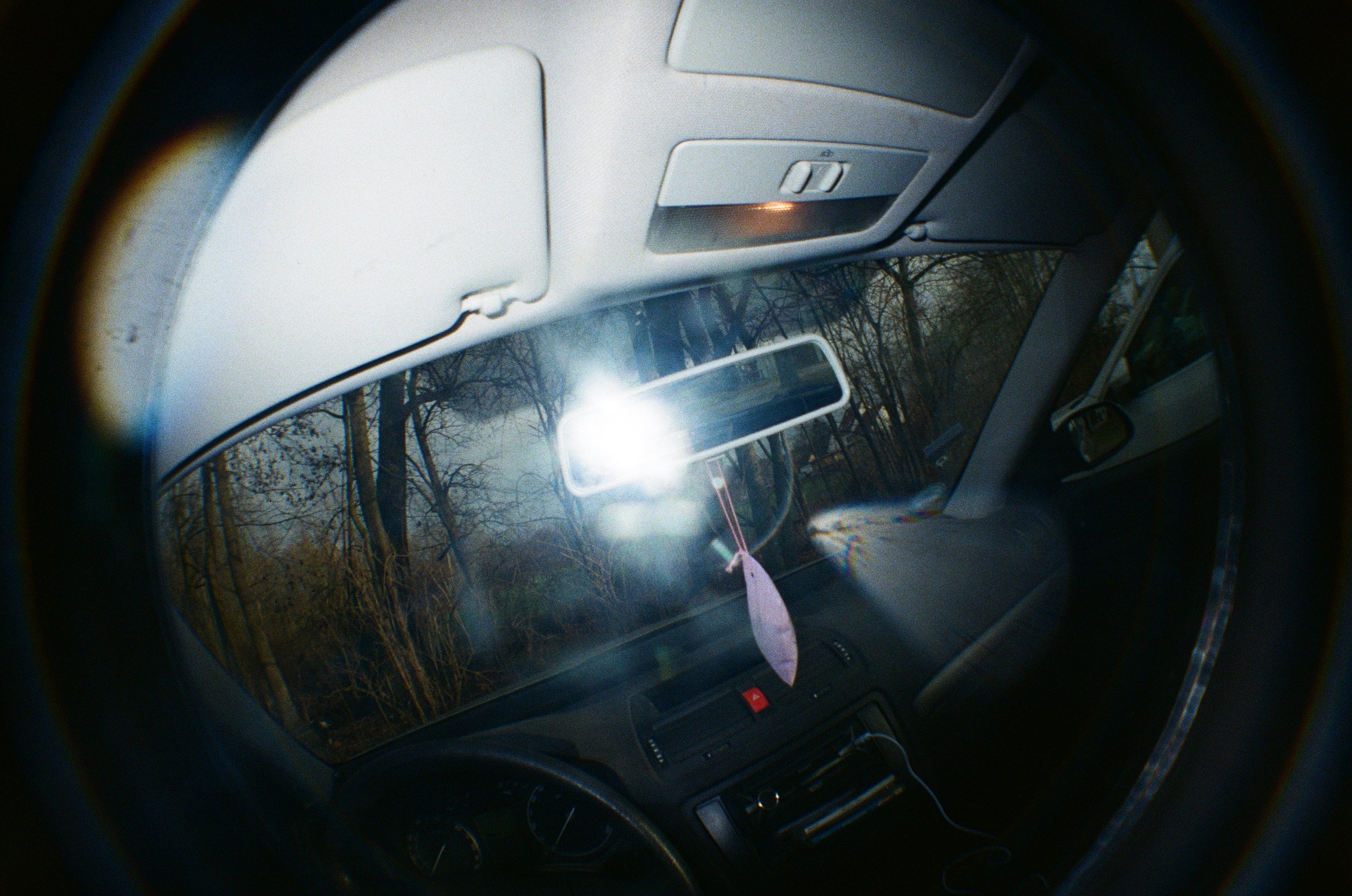
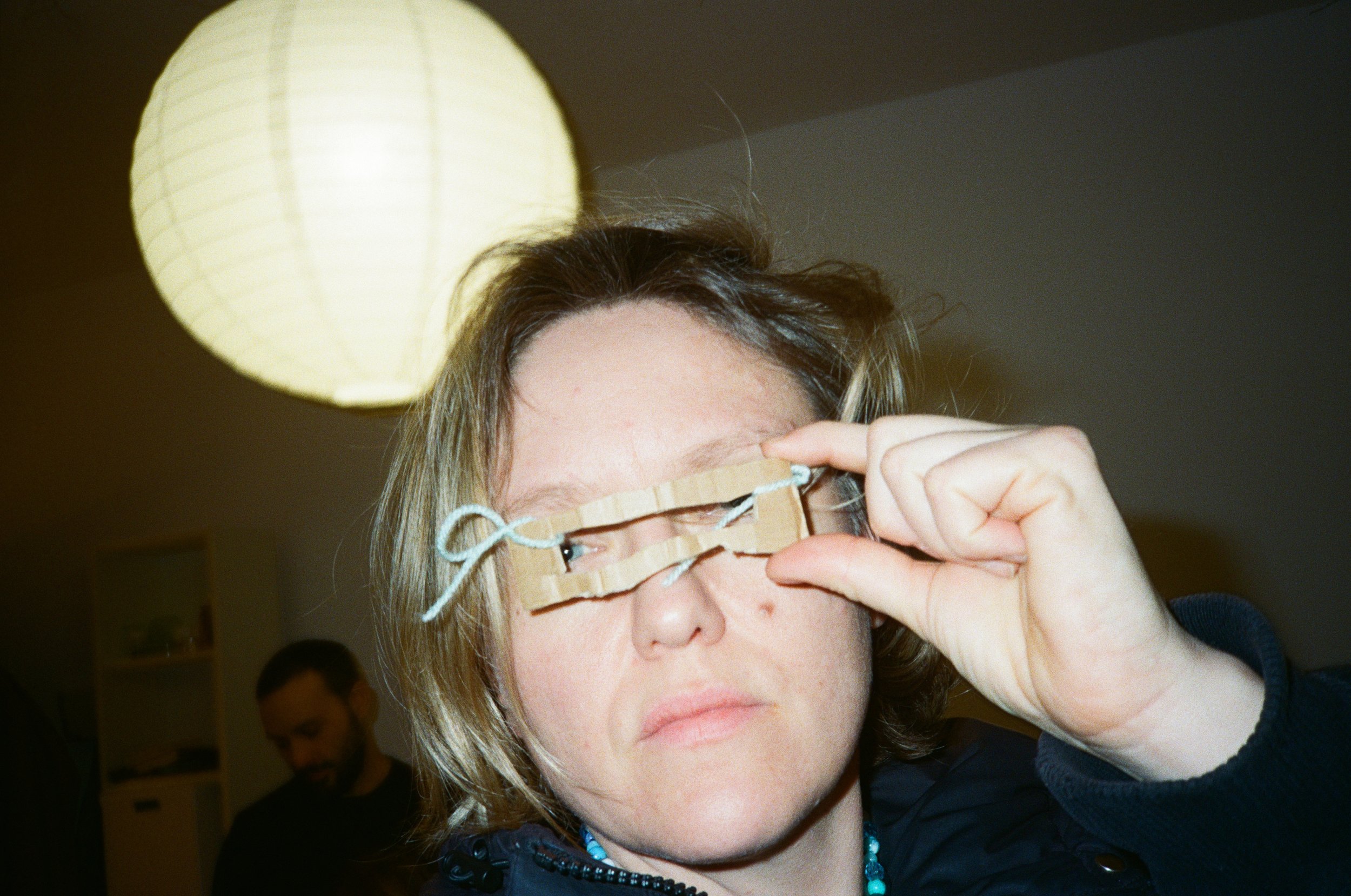
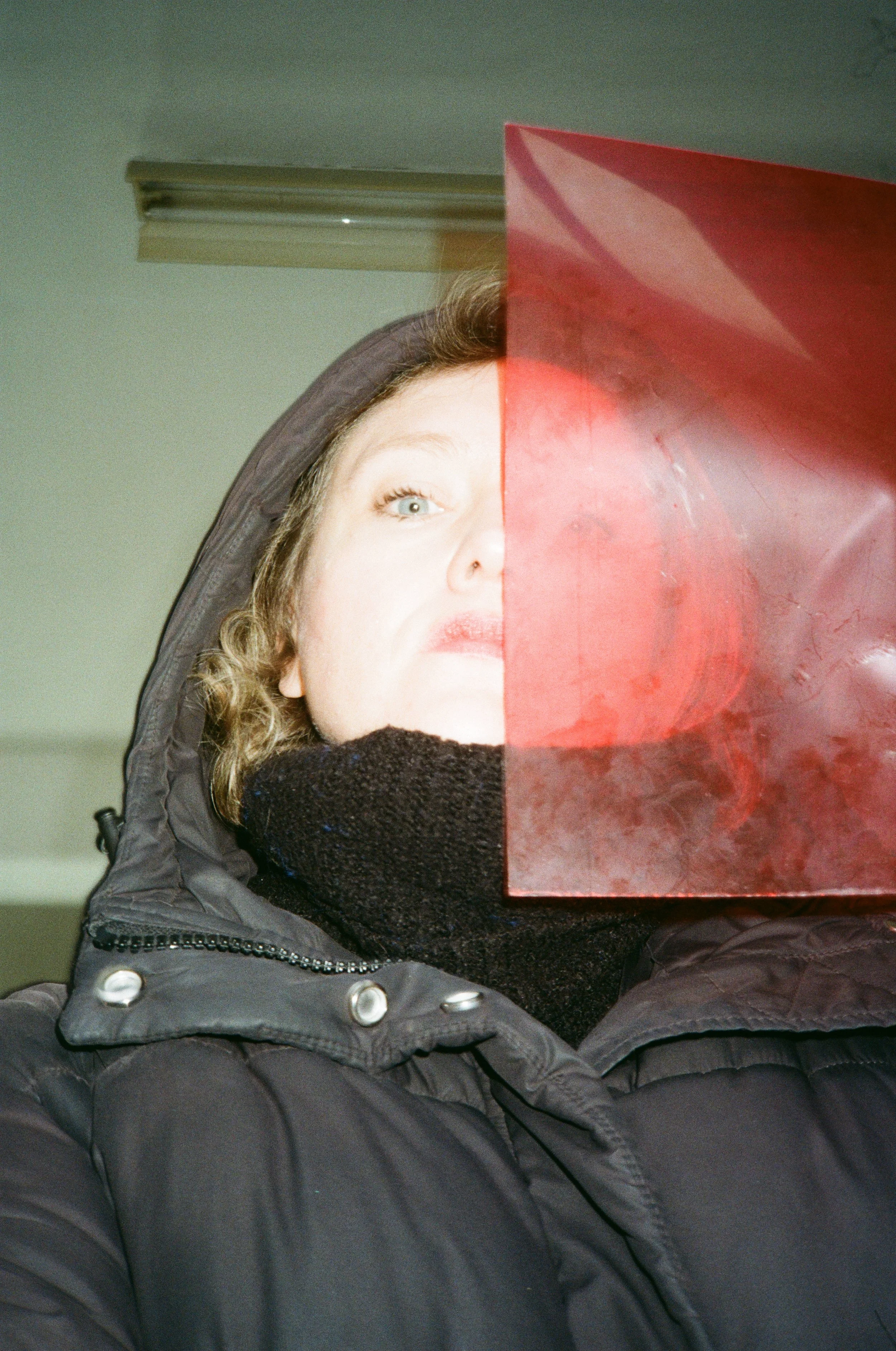
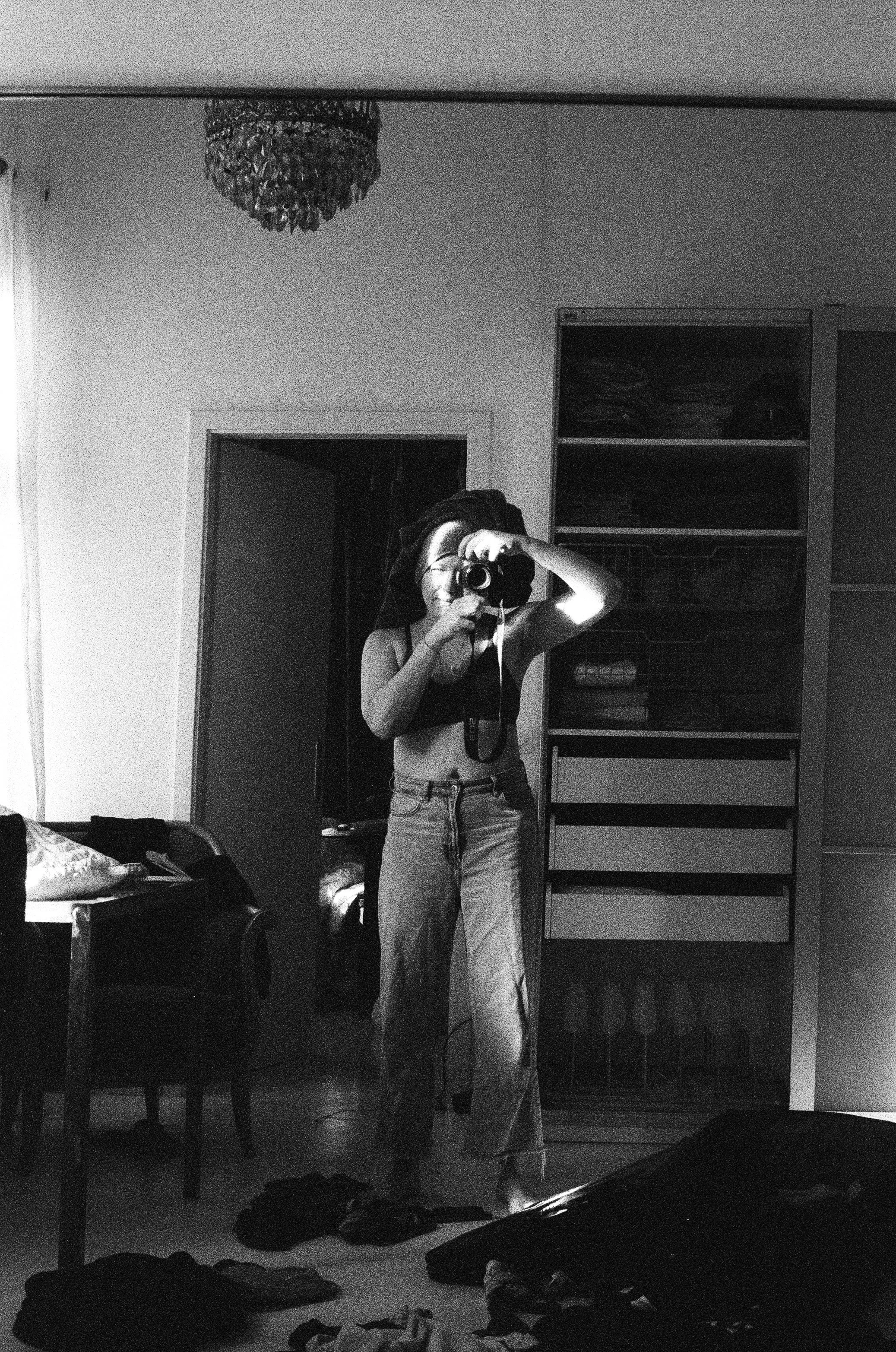

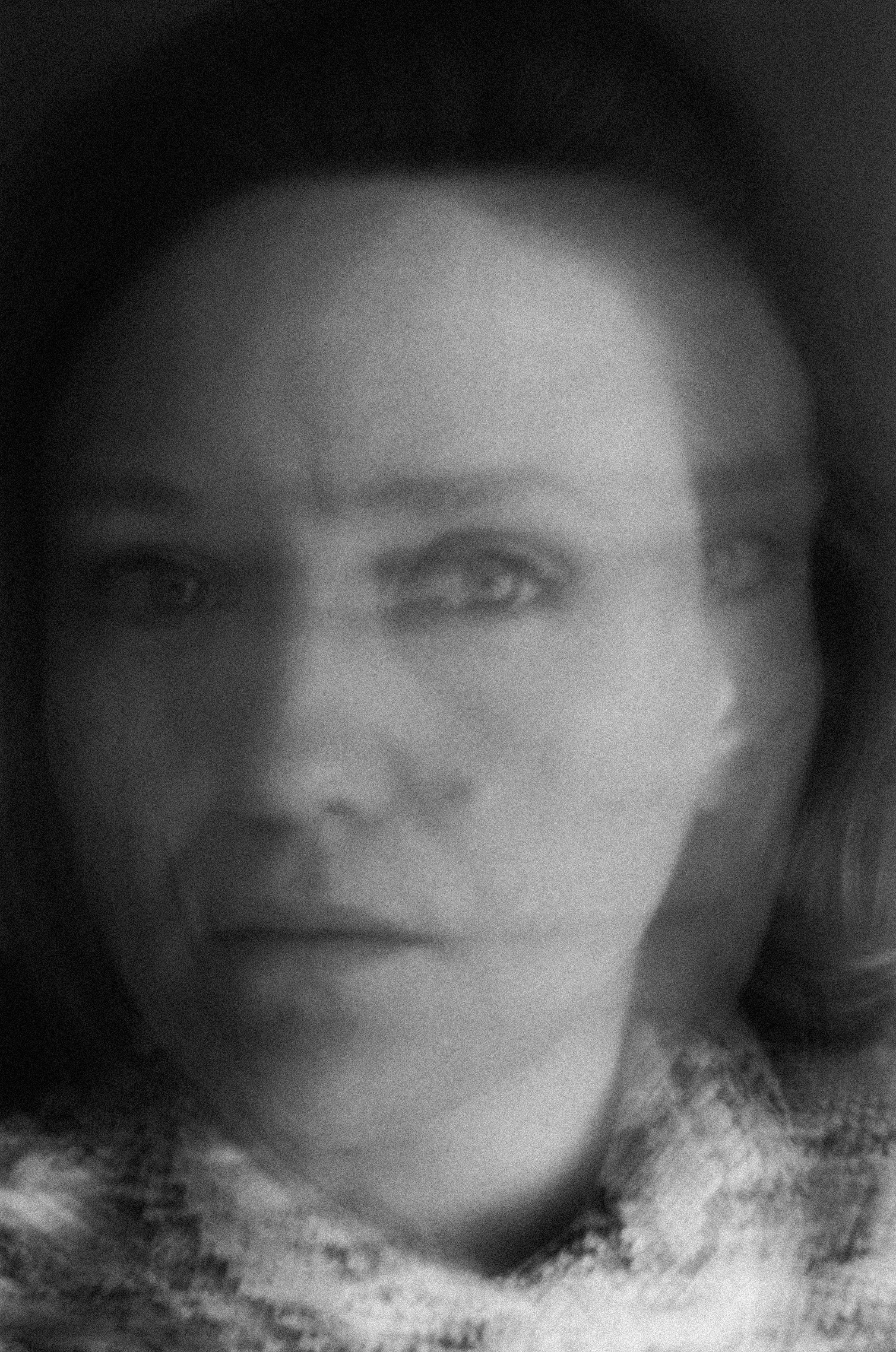
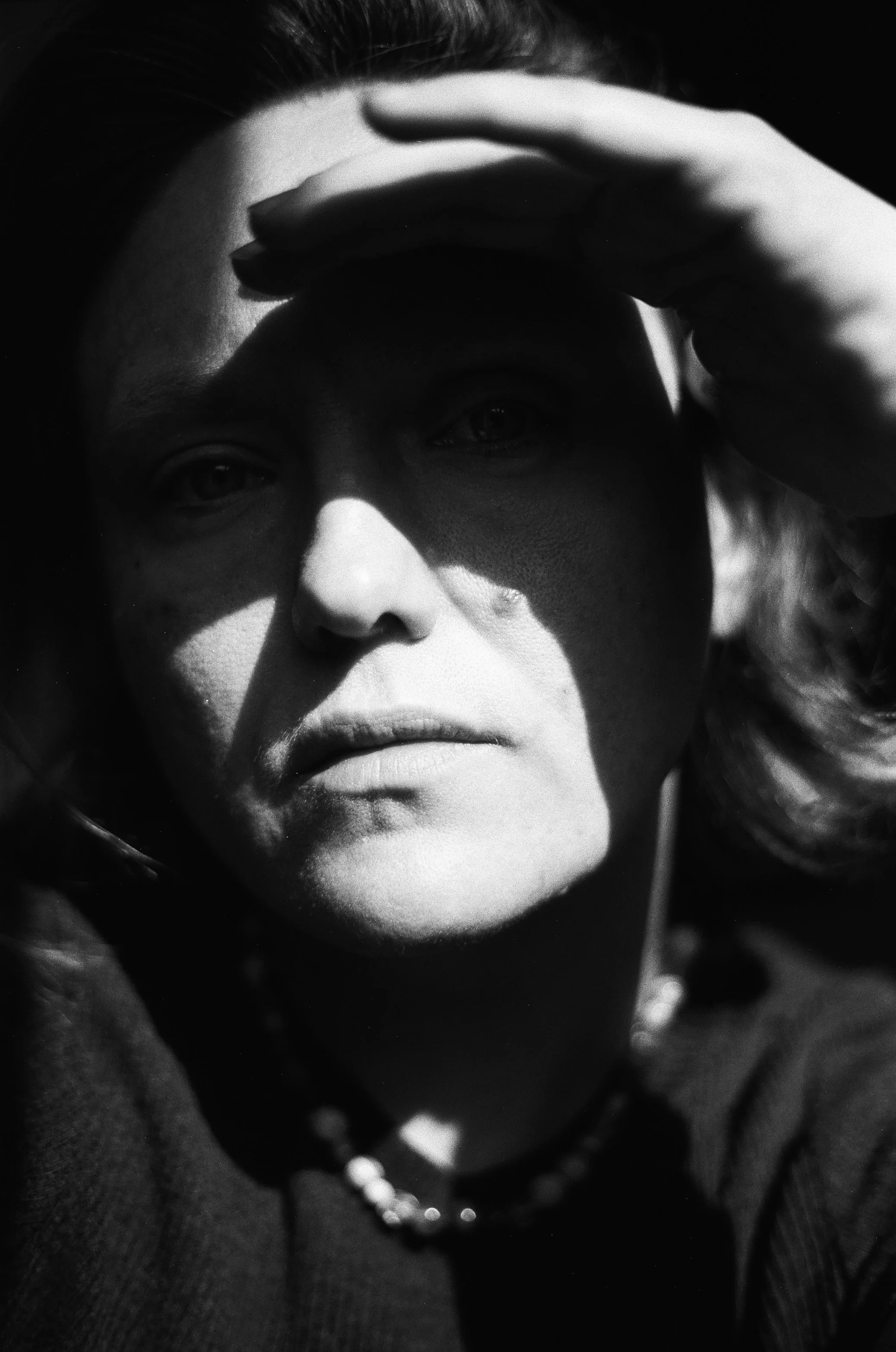
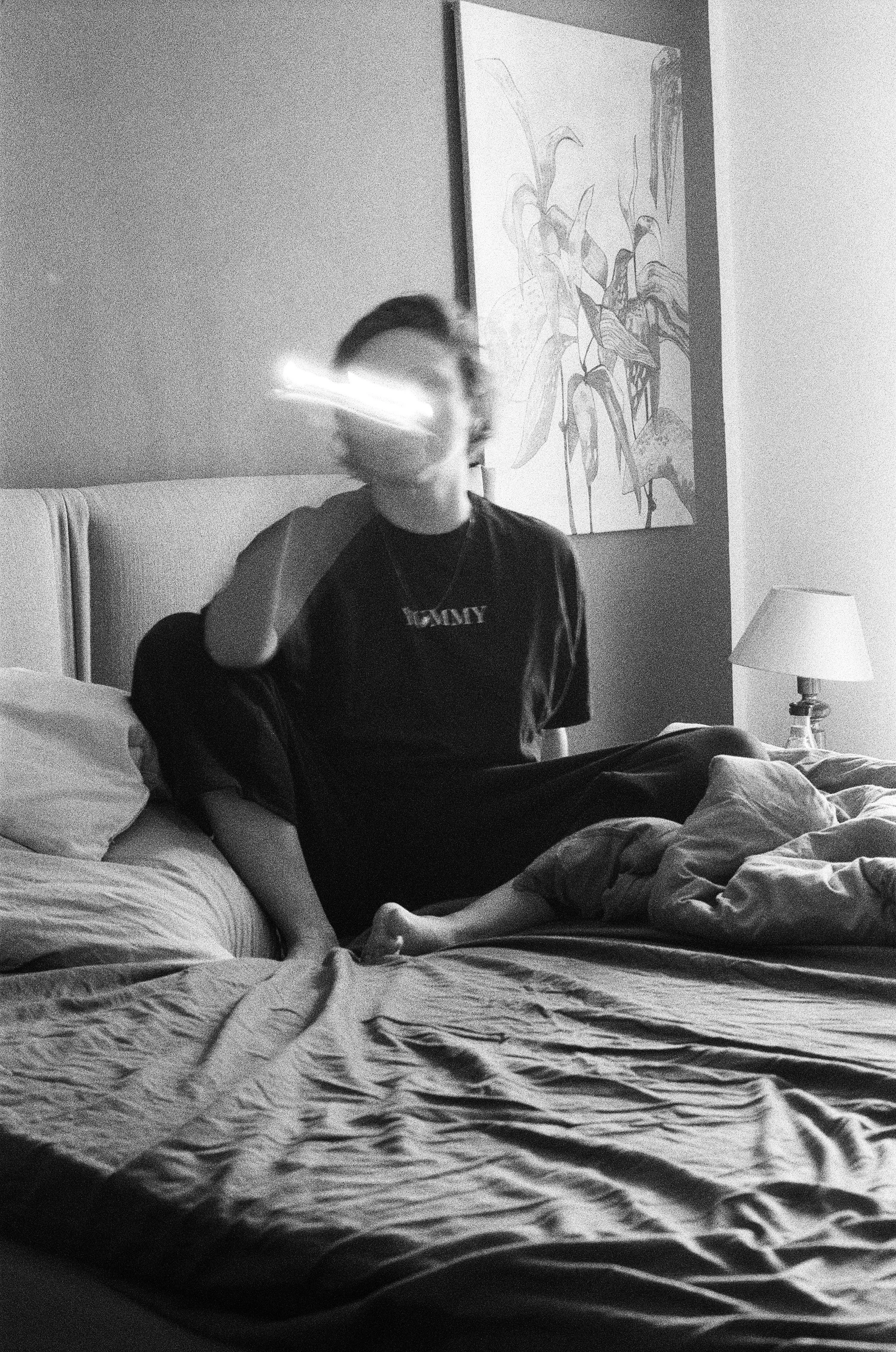
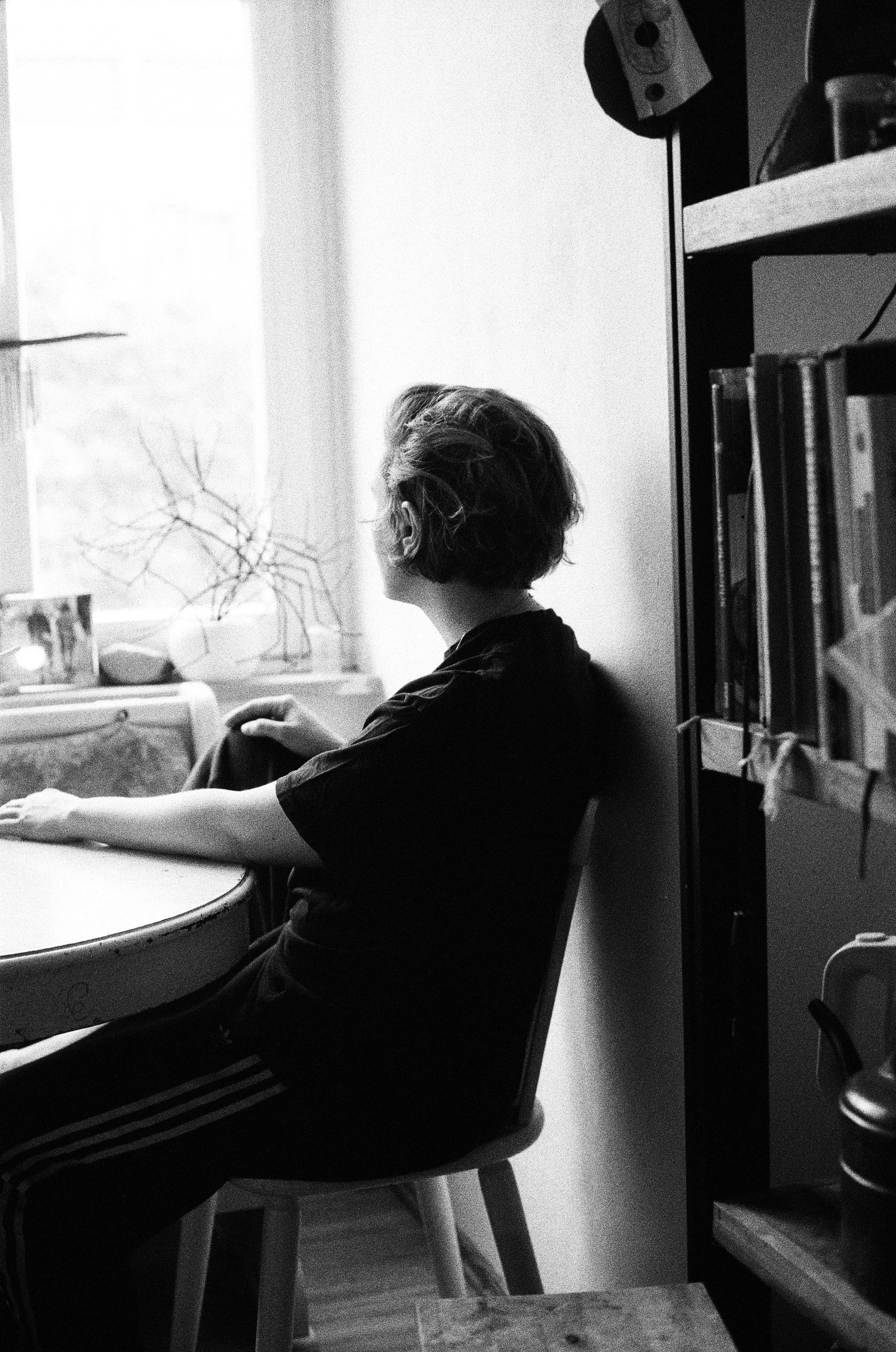
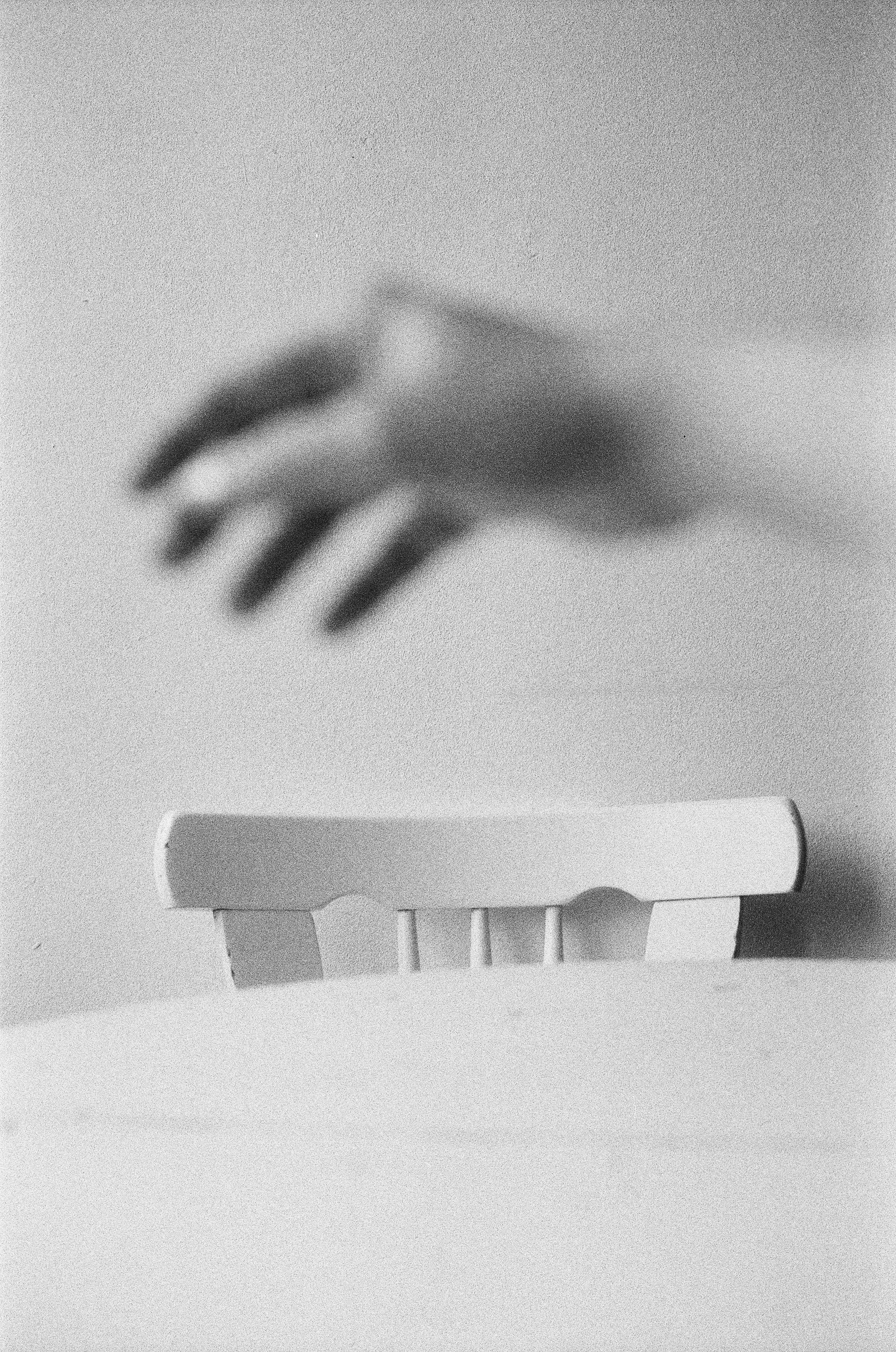
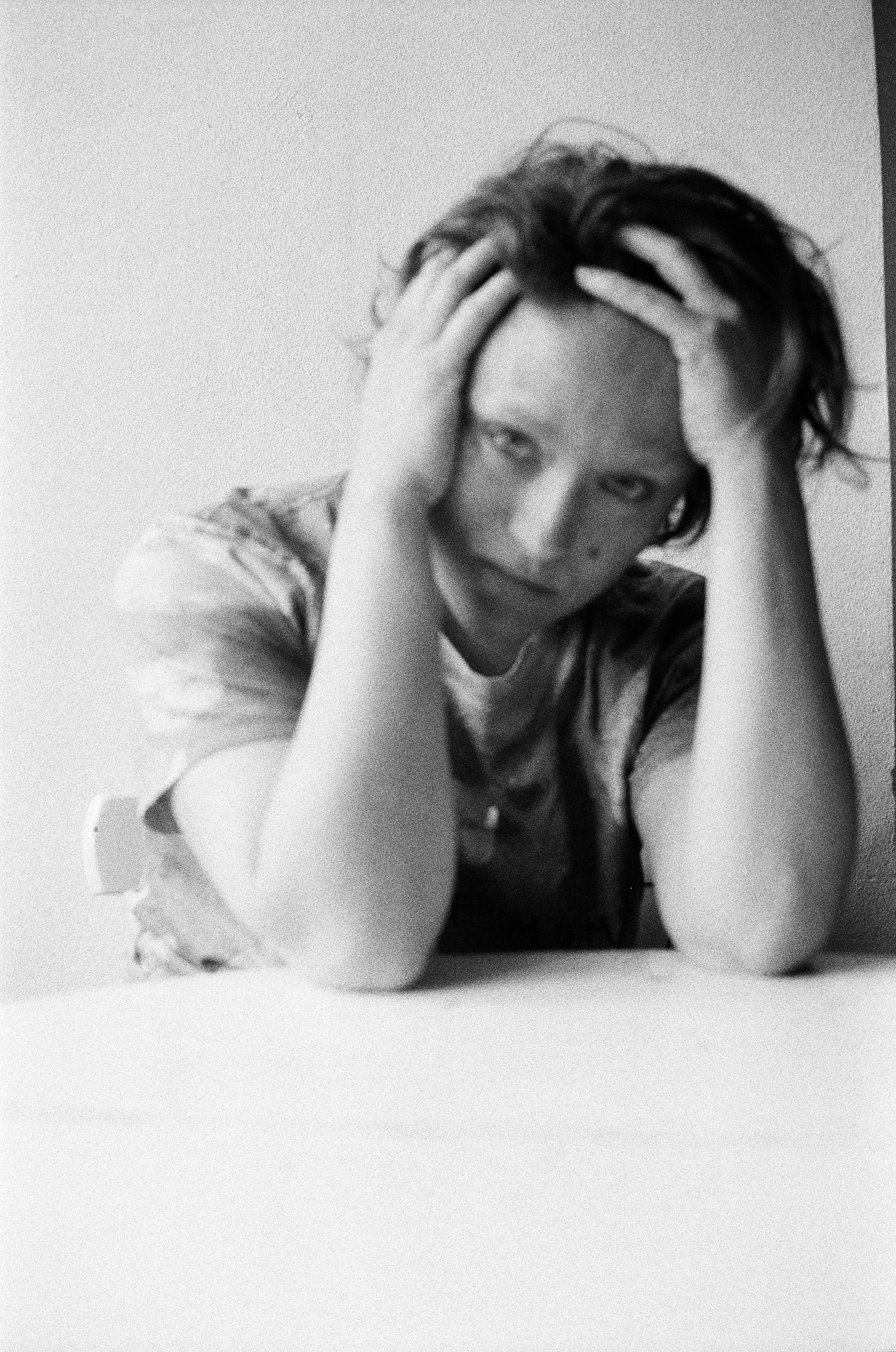
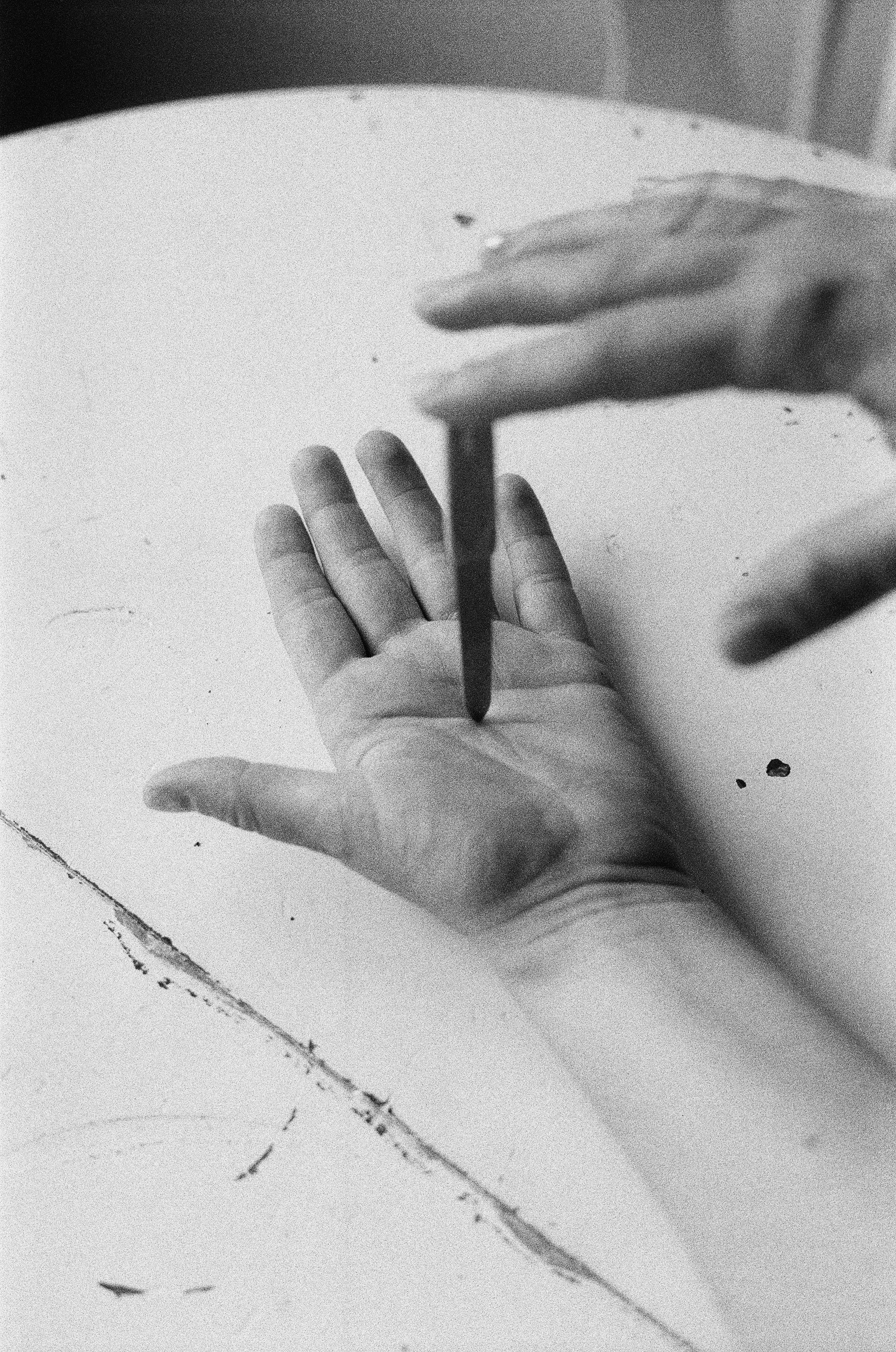
“I tell my story while simultaneously being the material of that story.”
In this way, biography itself becomes an intervention: shifting the question from “who is allowed to speak?” to “who speaks, from where, and with what responsibility?”. If we consider biographical work as a possible form of the “more truthful” social document, then the self-portrait appears almost as a distilled version of this practice. It is the most immediate way of positioning oneself in relation to the world—not only through language, but visually.
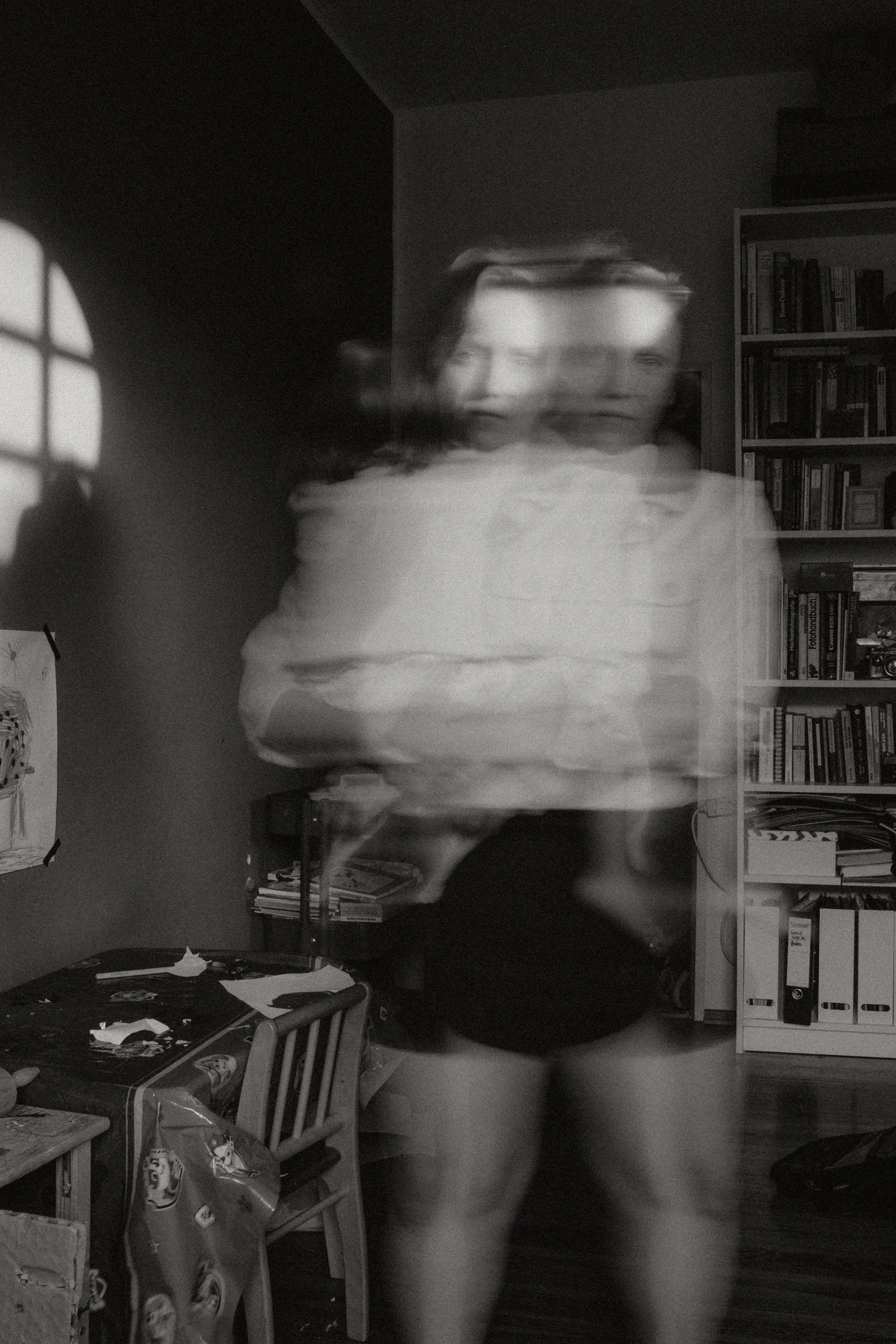
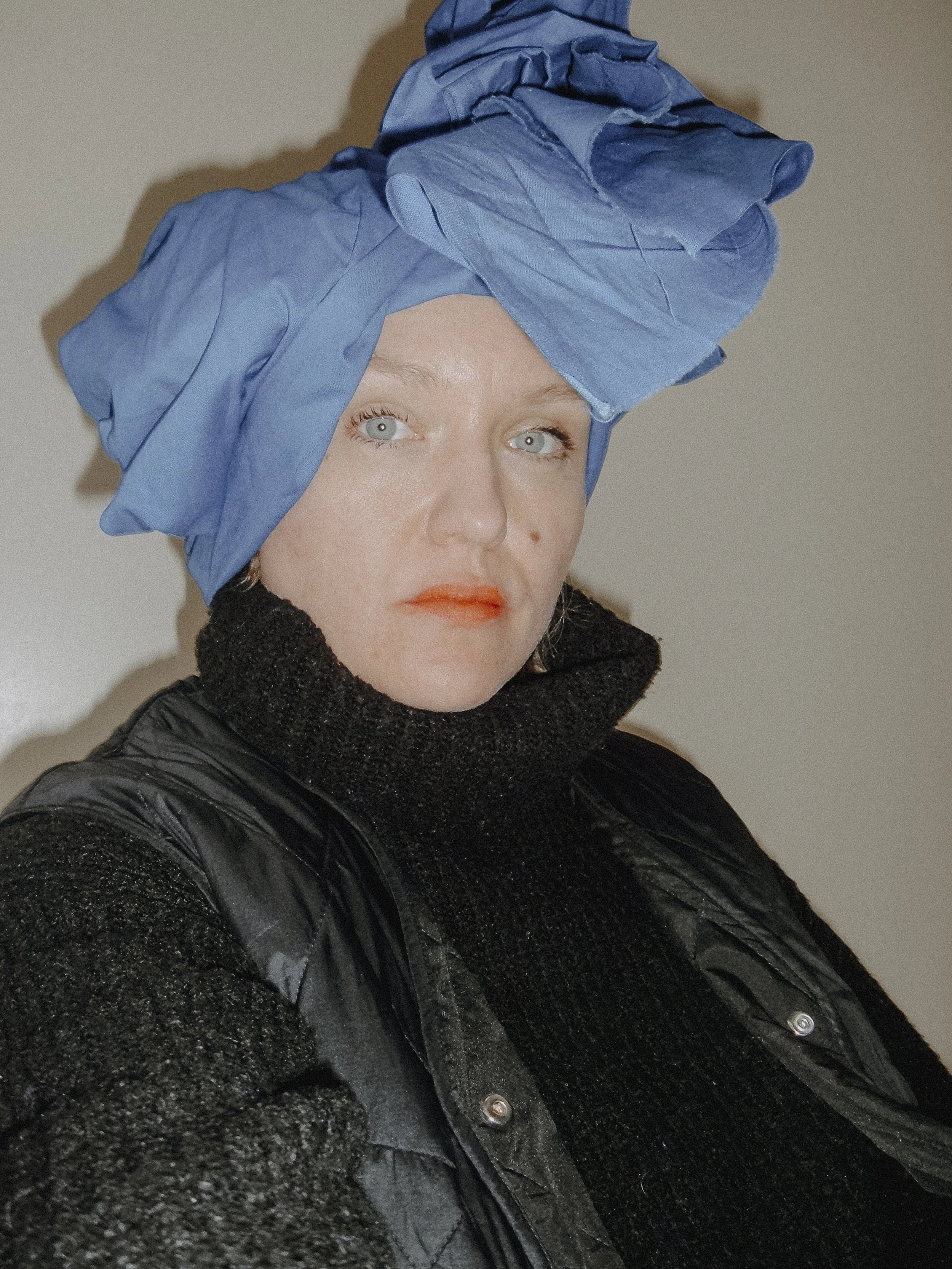
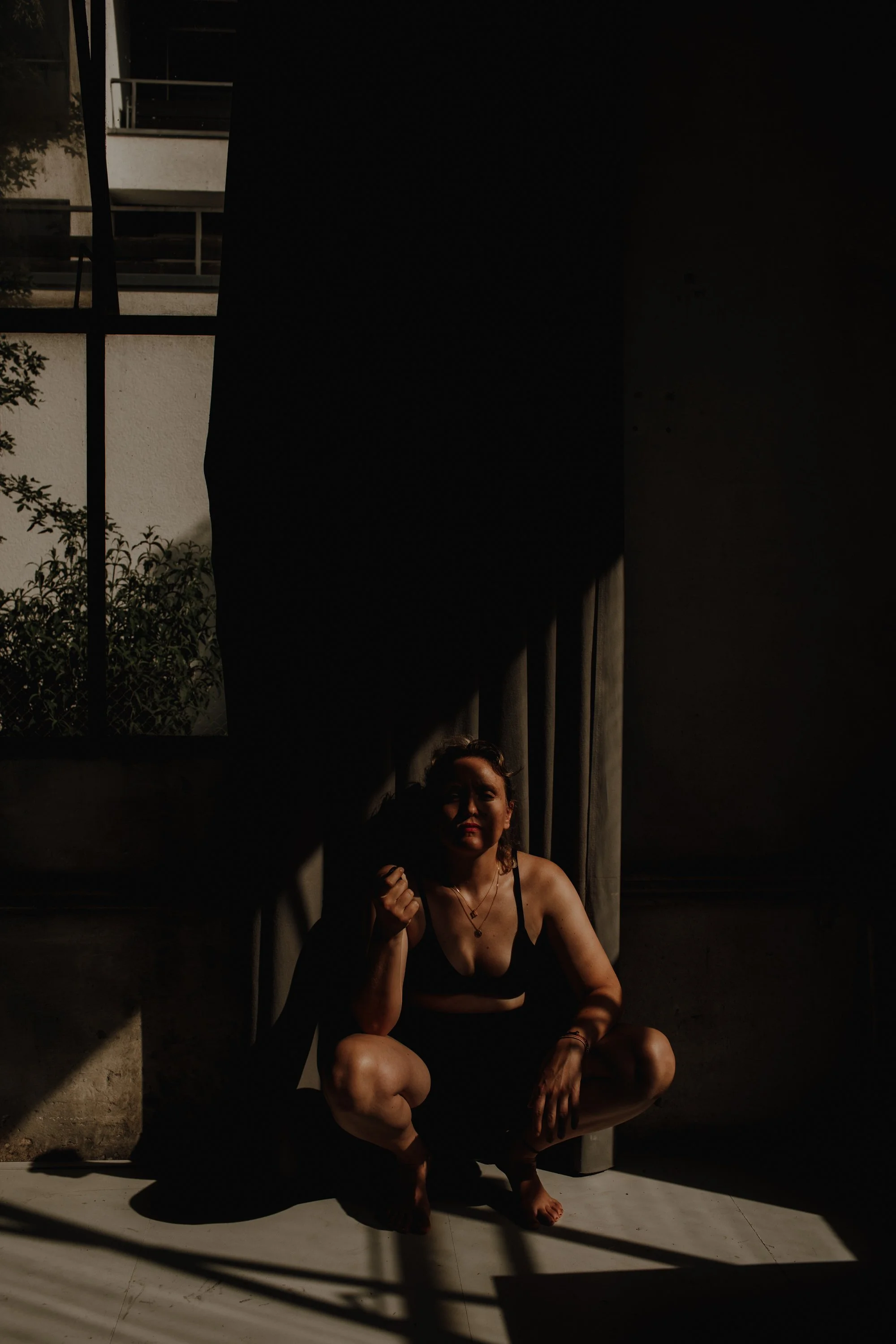
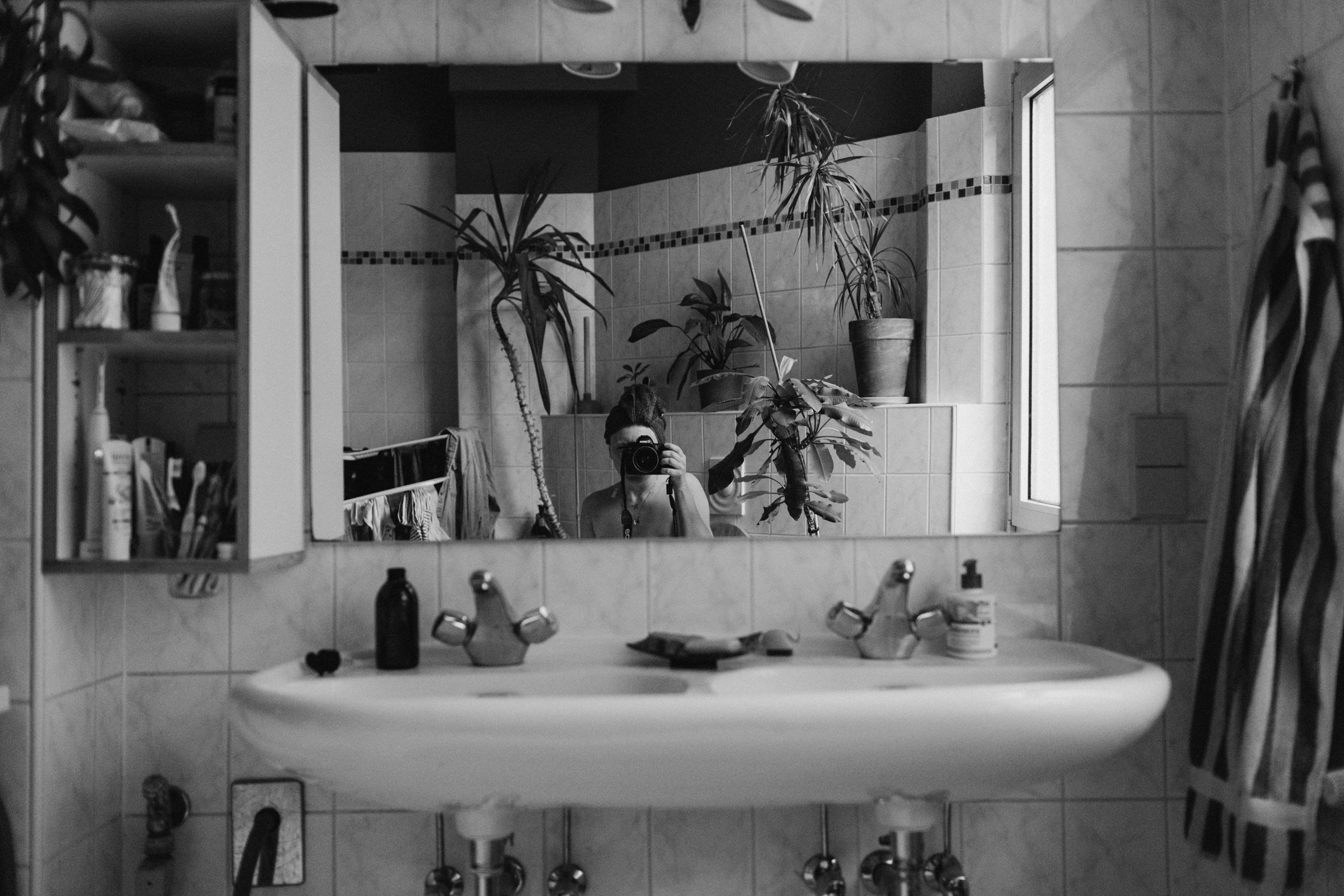
The self-portrait makes clear: I am both subject and object at once. I tell my story while simultaneously being the material of that story. This creates a double movement: on the one hand, it is an act of self-representation—I (at least partially) control how I am seen. On the other hand, it is also an act of self-interrogation—the camera reveals something I may not have intended, something that unfolds in the tension between control and slippage.
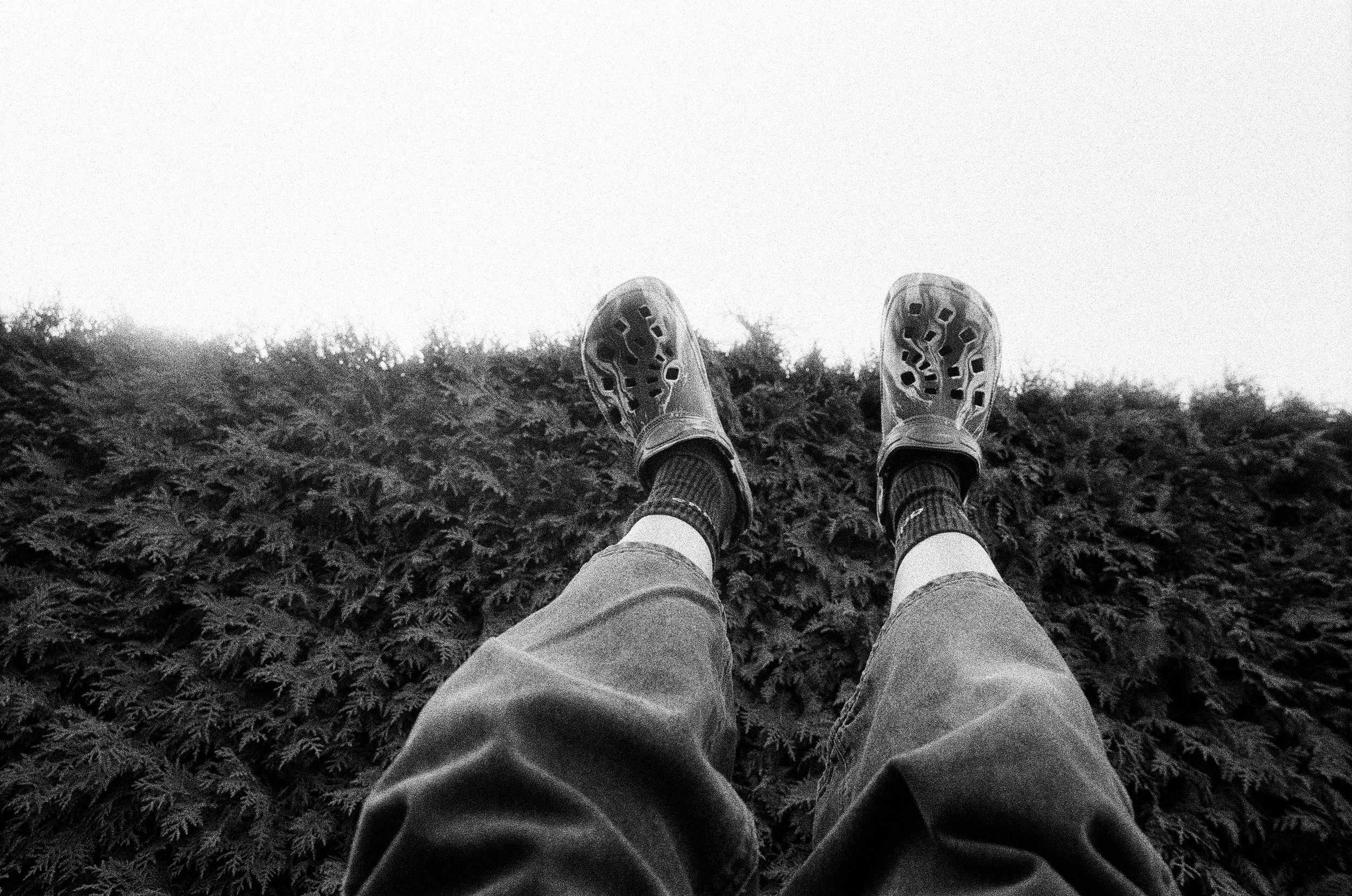
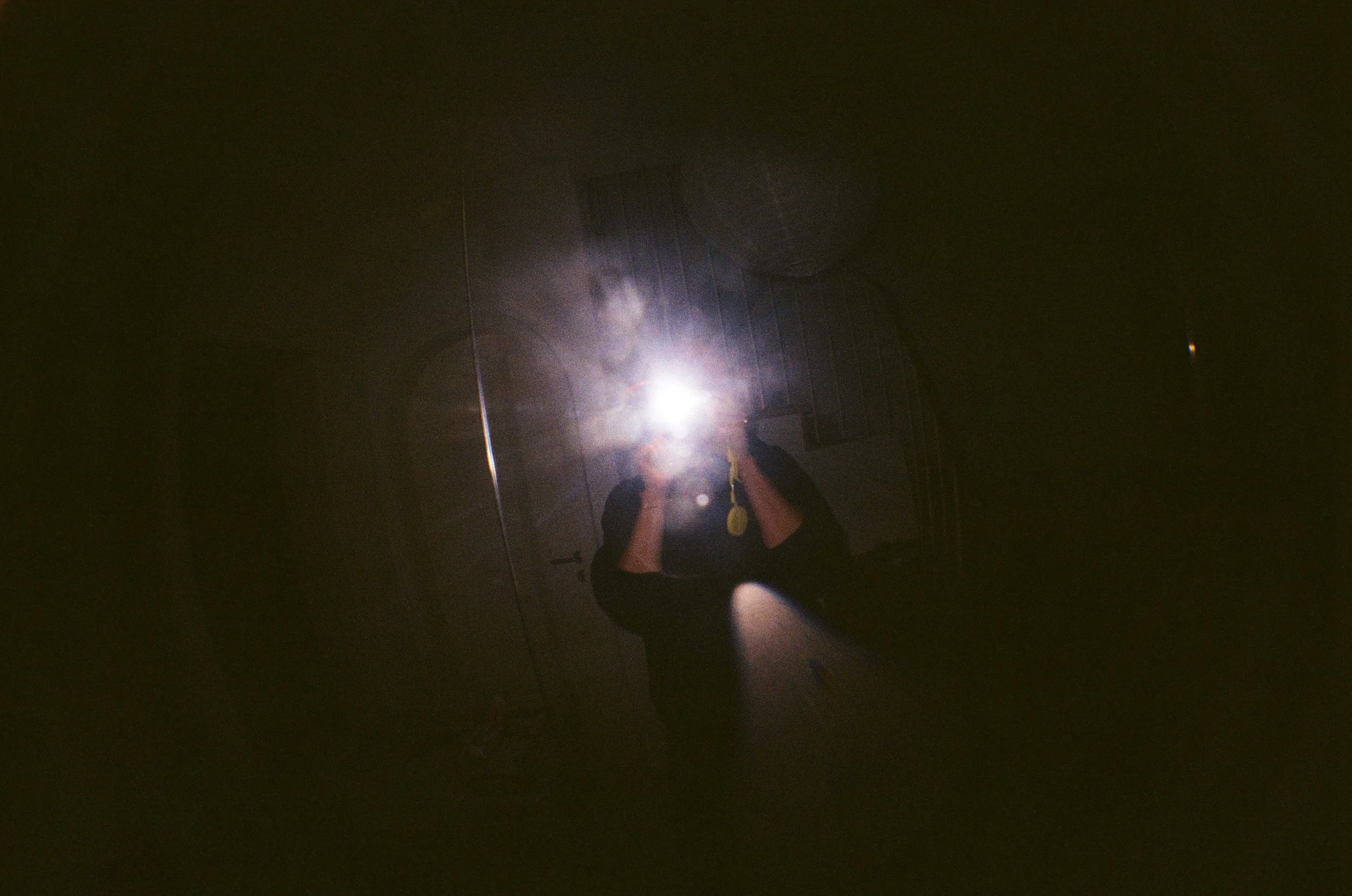


Natalie Stanczak is a documentary family photographer and sociologist. The faces that have been deleted from discourses can be found in her works. Almost inconspicuous and yet very clearly, her pictures evoke entire stories. From individual traces to collective archiving, her art is dedicated to raising awareness of structural inequality, intersectionality, solidarity and connection.